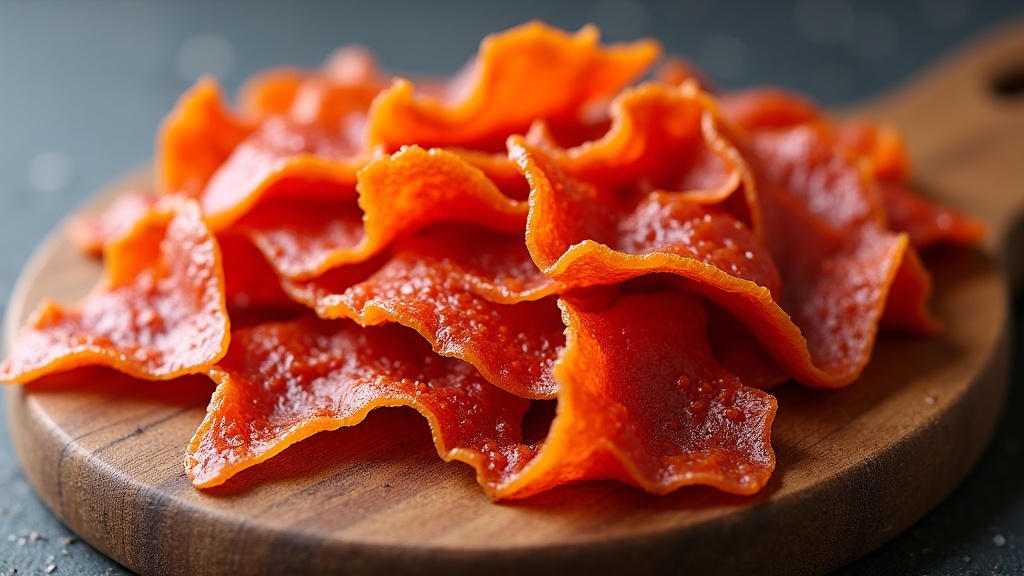
Knowing how to tell when beef jerky is done is the single most important skill in home jerky making — and the most commonly misunderstood one. I’m , food scientist, and I’ve seen more batches ruined by pulling jerky too early (chewy and moist, unsafe) or too late (brittle, overdried) than by any other mistake. This guide gives you the concrete tests that actually work, whether you’re using a dehydrator or your oven.
Affiliate Disclosure: This post contains affiliate links. As an Amazon Associate, I earn from qualifying purchases at no extra cost to you. I only recommend products I’ve personally tested or thoroughly researched.
Why Getting Doneness Right Matters for Beef Jerky
Beef jerky isn’t like cooking a steak where slight undercooking is acceptable. Underdone jerky retains enough moisture for bacterial growth — including pathogens like Salmonella and E. coli. The USDA recommends an internal temperature of 160°F for beef jerky during the drying process. But temperature alone isn’t the whole story — water activity (how much “available” moisture exists) is equally important.
Finished jerky should have a water activity below 0.85 (ideally 0.70–0.75) to be shelf-stable. You can’t measure this at home, but the physical tests below reliably indicate you’ve hit the right moisture level.
The Bend Test: Your Primary Doneness Indicator
The most reliable test for how to tell when beef jerky is done is the bend test:
- Remove a piece of jerky from the dehydrator or oven and let it cool to room temperature for 5 minutes (hot jerky behaves differently — it’s more pliable when warm)
- Bend the piece in half, applying moderate pressure
- Evaluate the result:
- ✅ Done: The jerky bends significantly (90°+) without breaking, shows slight white fibers or cracking on the outer surface, but doesn’t snap in two
- ❌ Underdone: The jerky feels rubbery and moist, bends easily without any cracking, and the surface may feel tacky
- ❌ Overdone: The jerky snaps immediately with little resistance and crumbles at the edges
The ideal is a piece that bends firmly and shows stress marks on the outer surface without fully breaking. Think of the texture of a good commercial jerky — that’s your target.
The Tear Test
Secondary to the bend test, the tear test gives you additional information:
- Grab a cooled piece and pull it apart along the grain
- Done jerky tears cleanly with visible muscle fibers — like pulling apart a fibrous, dried material
- Underdone jerky tears with a slightly wet, stretchy resistance — almost like pulling apart a tough piece of cooked meat
Visual and Tactile Checks
Before even running the bend test, a few visual cues will tell you whether you’re close:
- Color: Finished jerky should be uniformly dark brown throughout. No pink or reddish areas in the interior (slice a thick piece if unsure). Note: teriyaki-marinated jerky can appear slightly lighter due to the sugar content — rely on texture tests, not color alone
- Surface texture: The exterior should be dry to the touch and slightly leathery, not sticky, tacky, or glossy
- Edges: Thin edges will dry first — if the edges are brittle but the center still feels moist, leave it longer and check the center pieces specifically
- Steam: Hold a piece near your lip — you should feel no steam or moisture evaporating. Underdone jerky will have a subtle warmth from evaporating moisture
How to Tell When Beef Jerky Is Done in a Dehydrator
Dehydrators create a controlled drying environment, which makes predicting doneness more consistent once you know your machine. Here’s a general timeline:
- ⅛ inch slices: 3.5–5 hours at 155–165°F
- ¼ inch slices: 5–7 hours at 155–165°F
- Marinated meat (wetter): Add 30–60 minutes to any estimate
Always check the thickest pieces from the most crowded tray — those will be last to finish. Do your bend test on those, not the thin edge pieces which finish first.
One tool I recommend for any home jerky maker: a reliable dehydrator thermometer. Dehydrator probe thermometers on Amazon let you verify your machine is actually hitting its rated temperature — many budget units run 15–20°F below the dial setting.
How to Tell When Beef Jerky Is Done in the Oven
Oven jerky follows the same doneness tests, but the environment is different. Ovens tend to run hotter and less humid than dehydrators, which means jerky can dry faster on the outside while the interior stays underdone.
Standard oven jerky settings: 170°F (lowest setting for most ovens) with the door propped open slightly (½ inch) to allow moisture to escape. Times:
- ⅛ inch slices: 2.5–3.5 hours
- ¼ inch slices: 3.5–5 hours
Check every 30–45 minutes in the last hour, as oven jerky can go from done to overdone faster than dehydrator jerky. Flip pieces at the halfway point for even drying.
Tip: Lay jerky on wire racks placed over sheet pans, not directly on the pan. Airflow under the meat is critical for even drying in the oven.
The Post-Dehydration Safety Step
The USDA-recommended safety step for home jerky is to finish your jerky in a conventional oven after dehydrating. Place the finished (by texture tests) jerky on a baking sheet in a 275°F oven for 10 minutes. This ensures the surface and interior temperature hit 160°F for pathogen kill, since dehydrators can sometimes dry the exterior quickly while the interior stays cooler.
Many experienced jerky makers (including me) do this routinely — it doesn’t affect texture noticeably but adds meaningful food safety insurance.
What to Do If Your Jerky Is Underdone
If the bend test reveals underdone jerky, simply return it to the dehydrator or oven. Jerky can handle extended drying without significant quality loss as long as you don’t push into the overdone zone. Add 30–60 minute intervals, checking after each.
Frequently Asked Questions
Can I eat jerky that’s still slightly soft?
Slightly soft jerky isn’t automatically unsafe — it depends on whether it reached adequate temperature during drying. If your dehydrator or oven maintained 155°F+ throughout the process and the jerky was properly cured, some softness is okay. However, if you’re unsure of your temperatures, err on the side of more drying time. Jerky that’s soft and tacky should always be dried further or discarded.
Why does my jerky feel done when warm but turn out underdone when it cools?
This is one of the most common jerky mistakes. Warm jerky is more pliable and feels drier than it actually is. The moisture that’s been heated deep into the meat redistributes as it cools. Always cool jerky for at least 5 minutes before doing your bend test — this gives you an accurate read of its actual moisture level.
How long does properly dried jerky last at room temperature?
Correctly dried jerky (passing the bend/tear tests) stored in an airtight container or vacuum-sealed bag lasts 1–2 months at room temperature, 3–6 months refrigerated, and up to 12 months frozen. If you see any mold, discard immediately — don’t try to salvage it.
Do different cuts of beef take different amounts of time?
Yes — leaner cuts like eye of round, top round, and sirloin tip dry faster and more evenly than fattier cuts. Fat doesn’t dehydrate and can cause uneven textures and shorter shelf life. For timing purposes, lean cuts at ¼ inch slice are your baseline; fattier or thicker cuts add 1–2 hours.