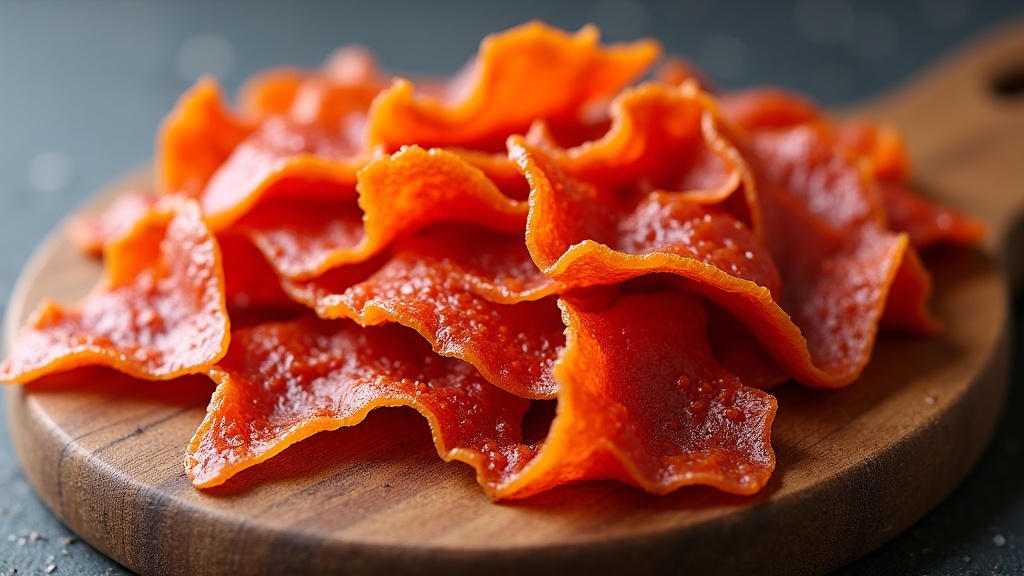
I get this question a lot, usually from guys at the gym who see me snacking on homemade jerky between sets. Is beef jerky good before or after a workout? The short answer: it works well for both — but how and when you use it makes a real difference. Let me break it down from both a food science and a practical athlete’s perspective.
What’s Actually in Beef Jerky (The Macro Breakdown)
Before we talk timing, let’s get clear on what you’re actually eating. A standard 1-oz (28g) serving of beef jerky delivers roughly:
- Protein: 9–14g (depending on brand and recipe)
- Fat: 1–3g
- Carbs: 2–6g
- Sodium: 400–600mg
- Calories: 70–120 kcal
That protein-to-calorie ratio is genuinely impressive. You’re getting a concentrated hit of complete protein — all essential amino acids present — without the bulk. For an endurance athlete or lifter, that matters.
The sodium story is where things get interesting from a sports nutrition standpoint. Most people think sodium is the enemy. But when you’re sweating through a hard session, you’re losing electrolytes fast — and sodium is the primary one. We’ll come back to this.
Beef Jerky Before a Workout: Does It Help?
Here’s the honest food-science take: beef jerky can work as a pre-workout snack, but it’s not ideal as your only fuel source. Here’s why.
The Case For It
If you’re training in a fasted state or doing strength work, a small amount of protein before your session can help reduce muscle protein breakdown during the workout. Some research suggests that pre-workout protein — even a modest amount — primes muscle protein synthesis so your body is ready to rebuild the moment you finish.
Jerky is also low in fat and nearly carb-free in most recipes, which means it digests relatively quickly compared to a steak. You won’t feel like a brick in your stomach 20 minutes into a run. I’ve eaten two strips of homemade teriyaki jerky about 45 minutes before lifting and felt completely fine.
The sodium is also a genuine benefit here: getting some sodium on board before a long training session (think: endurance runs, 90-minute lifting sessions, intense HIIT) helps you retain fluids and can delay the onset of cramping. Athletes have known this for decades — it’s why sports drinks include electrolytes.
The Case Against It (Alone)
Carbohydrates are your primary fuel for high-intensity exercise. Glycogen — stored glucose in your muscles and liver — is what your body burns when you’re pushing hard. Jerky has almost none. If you’re about to do a high-intensity interval session or a long run, going in with only protein and no carbs is a recipe for early fatigue.
The fix? Pair it. A couple strips of jerky with a banana or a handful of crackers gives you both the protein buffer and the carbohydrate fuel you need. That’s my go-to combo before a morning lifting session when I don’t want a full meal.
Pre-Workout Timing Guideline
- 90+ minutes before: 1–2 oz jerky + a carb source (rice, banana, oats)
- 30–60 minutes before: 1 oz jerky on its own, or skip it and save it for after
- Less than 30 minutes before: Skip the jerky — the protein won’t have time to help and may cause mild GI discomfort for sensitive stomachs
Beef Jerky After a Workout: Where It Really Shines
This is where I think jerky genuinely earns its place in a serious athlete’s snack rotation. Post-workout nutrition has a well-established job: replenish glycogen, kick-start muscle protein synthesis, and begin the recovery process. Jerky hits two of those three boxes hard.
Protein for Muscle Repair
The “anabolic window” — that 30-to-60-minute post-workout period — is when your muscles are most primed to absorb amino acids and begin rebuilding. You want 20–40g of high-quality protein in that window for optimal muscle protein synthesis. Two to three ounces of quality beef jerky gets you there: 20–30g of protein in a package you can literally carry in your gym bag.
Beef is particularly rich in leucine, the key branched-chain amino acid that acts as the molecular trigger for muscle protein synthesis. More leucine = a stronger anabolic signal. This is a real advantage beef has over plant-based protein snacks.
Sodium for Electrolyte Replenishment
Here’s where jerky’s “flaw” becomes a feature. That 400–600mg of sodium per ounce? After an hour of heavy sweating, you’ve likely lost 500–2000mg of sodium depending on how hard you trained and how much you sweat. Jerky naturally replaces a meaningful chunk of that without you having to think about it.
Pair that with a bottle of water and you’ve got a solid electrolyte recovery snack without the sugary sports drink.
The Carb Gap — And How to Fill It
The one thing jerky can’t do post-workout is replenish your glycogen stores. Carbohydrates do that job, and your muscles are hungry for them after intense exercise. Eating some jerky with a carb source post-workout gives you the complete recovery package.
My personal post-workout routine after a heavy leg day: 2 oz of homemade peppered beef jerky + a medium sweet potato or a cup of white rice. Protein, sodium, carbs — all covered, no shakes required.
Jerky vs. Other Post-Workout Snacks
Let me put beef jerky up against some common alternatives so you can see where it actually stacks up:
| Snack | Protein (per oz/serving) | Portability | Needs Refrigeration | Sodium |
|---|---|---|---|---|
| Beef Jerky (2 oz) | 18–28g | Excellent | No | High (good post-workout) |
| Greek Yogurt (6 oz) | 15–17g | Limited | Yes | Low |
| Protein Shake (1 scoop) | 20–25g | Good | No (powder) | Low–Medium |
| Chicken Breast (3 oz) | 26g | Poor | Yes | Low |
| String Cheese (1 stick) | 6–8g | Good | Yes | Medium |
Jerky wins the portability game outright. It’s shelf-stable, doesn’t need utensils, and fits in a gym bag, a glove compartment, or a hiking pack. For people who train away from home, that’s a real practical advantage.
What Kind of Jerky to Choose
Not all jerky is created equal, and this matters for the workout context specifically.
Watch the Sugar Content
Many commercial jerky brands are loaded with sugar — teriyaki varieties in particular can have 6–10g of sugar per ounce. Before a workout, a little sugar isn’t necessarily bad (quick energy). But if you’re watching calories or blood sugar, check the label. Look for jerky where sugar is under 3g per serving as a general rule for a “clean” option.
Quality of the Meat Matters
The amino acid profile of your jerky is only as good as the beef it came from. Grass-fed beef tends to have a better omega-3 to omega-6 ratio, which matters for inflammation recovery. If you can find — or make — jerky from quality cuts, you’re getting more nutritional value per ounce.
Recommended Commercial Options
If you’re buying rather than making:
- EPIC Provisions Beef Strips — grass-fed, minimal ingredients, high protein
- Chomps Beef Snack Sticks — 100-calorie sticks, clean label, no sugar added
- Country Archer Original Beef Jerky — grass-fed option, low sugar, good protein density
All three hold up well to the scrutiny of someone who reads labels obsessively (guilty as charged).
Making Your Own Workout Jerky
I’ll be honest — homemade jerky is where I really see the advantage for athletes. You control the salt, the sugar, the cuts, and the thickness. Here’s a simple, high-protein workout jerky recipe I’ve dialed in over the years:
High-Protein Workout Jerky Recipe
Ingredients (makes ~8 oz finished jerky):
- 2 lbs lean beef eye of round, trimmed of all fat, sliced 1/4″ thick against the grain
- 1/4 cup low-sodium soy sauce
- 2 tbsp Worcestershire sauce
- 1 tsp garlic powder
- 1 tsp onion powder
- 1 tsp black pepper
- 1/2 tsp smoked paprika
- 1 tsp kosher salt (controlled amount — enough for preservation and electrolyte value without going overboard)
- No added sugar — let the Worcestershire carry the flavor
Method: Combine all marinade ingredients, coat the beef strips well, and marinate in the fridge for 8–24 hours. Dry at 160°F (USDA safe temperature) for 4–6 hours in a dehydrator or low oven until the jerky bends without breaking and has no visible moisture. One ounce of this finished jerky gives you roughly 13g protein, less than 2g sugar, and about 350mg sodium — a genuinely clean athletic snack.
The Bottom Line: Before, After, or Both?
Here’s my straightforward take after years of making jerky and paying attention to how it affects training:
- Before a workout: Jerky works best as part of a pre-workout snack, paired with a carb source, eaten 60–90 minutes out. On its own it’s adequate but not optimal.
- After a workout: This is where jerky genuinely excels. High protein, natural electrolytes, portable, no prep required. Pair it with carbs for complete recovery.
- During long endurance events: A strip or two during a hike or long run can actually be useful — the sodium helps maintain electrolyte balance and the protein blunts muscle catabolism on ultra-long efforts.
Is beef jerky a perfect sports food? No — it needs carb partners to complete the nutritional picture. But it’s one of the best shelf-stable, high-protein, electrolyte-rich snacks you can realistically carry with you. As someone who makes jerky from scratch and trains seriously, it’s a permanent part of my gym bag.
If you want to go deeper on making jerky optimized for athletes, stay tuned — I’ve got a full breakdown of marinade ratios and dehydration science coming up. And if you have questions about your specific training style or jerky recipe, drop them in the comments below.