Affiliate Disclosure: This post contains affiliate links. As an Amazon Associate, I earn from qualifying purchases at no extra cost to you.
Why Ground Beef Jerky Is a Game-Changer for Home Jerky Makers
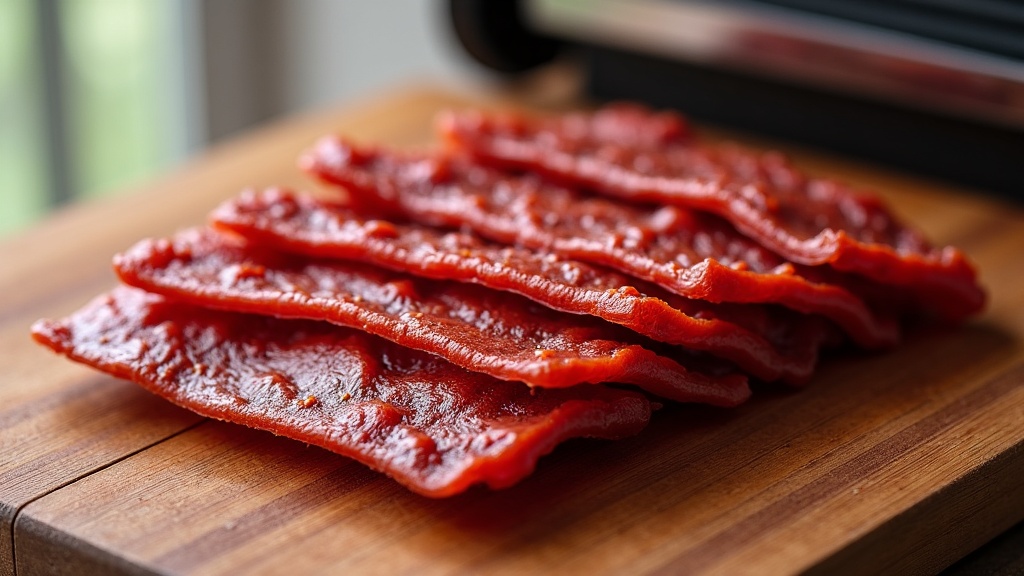
If you love ground beef jerky but cringe every time you see the price tag at the store, you’re not alone. As a food scientist who’s been making jerky in my home kitchen for over a decade, I can tell you that switching from whole-muscle cuts to ground beef was one of the best decisions I ever made. You get all the chewy, savory satisfaction at a fraction of the cost — and with full control over every ingredient.
In this guide, I’ll walk you through everything you need to know about making ground beef jerky at home: the science behind why it works, the equipment you’ll need, my go-to recipe, food safety essentials, and answers to the most common questions I get asked. Let’s get into it.
Ground Beef Jerky vs. Traditional Whole-Muscle Jerky: What’s the Difference?
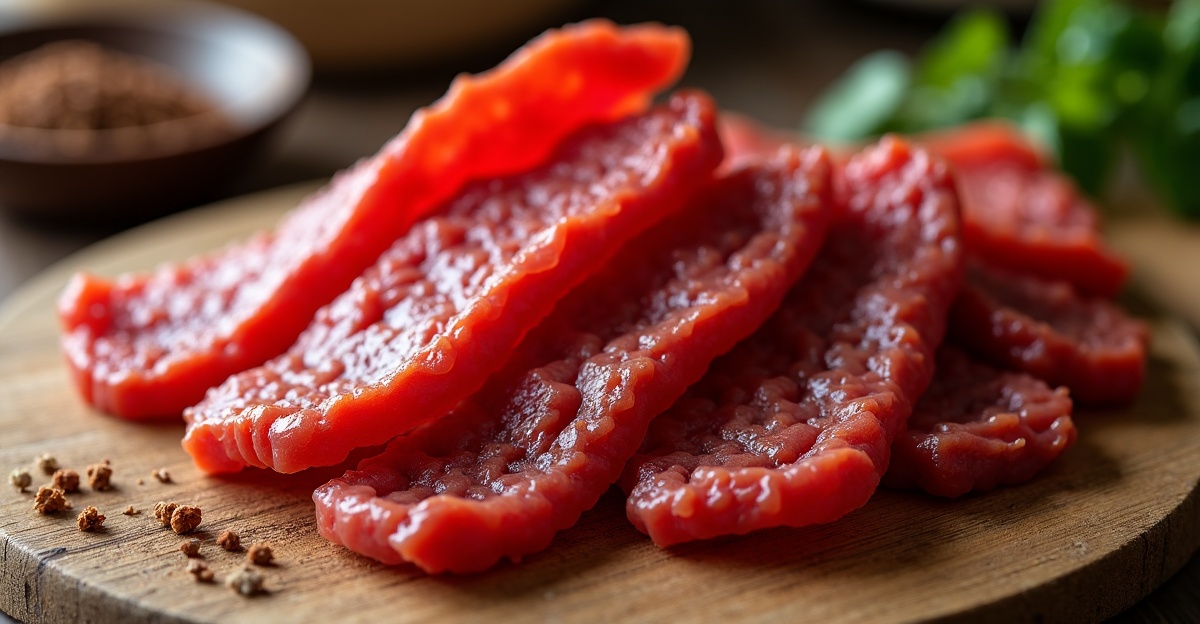
Traditional beef jerky starts with whole cuts like top round or flank steak, sliced thin and dehydrated. It’s delicious, but quality cuts can run $7–$10 per pound before you factor in the moisture loss during drying (jerky loses roughly 50–60% of its weight, so that pound of beef becomes less than half a pound of jerky).
Ground beef jerky, by contrast, uses 80/20 or 93/7 ground beef — typically $3–$5 per pound at most grocery stores. You mix in seasonings and cure, then either press it through a jerky gun or roll it flat and cut it into strips before dehydrating. The result is a uniform, consistent texture that many people actually prefer.
From a food science standpoint, ground meat carries a slightly higher contamination risk than whole muscle (because grinding distributes surface bacteria throughout), which makes proper curing and temperature control even more important — I’ll cover that below.
My Personal Testing Story: The Batch That Changed Everything
About six years ago, I was trying to replicate a gas-station-style ground beef jerky stick I’d eaten as a kid. You know the type — slightly smoky, a little sweet, snappy when you bite it. I went through four batches before I nailed the ratio of curing salt, black pepper, and liquid smoke. Batch number two was way too salty (I accidentally doubled the pink curing salt — don’t do that). Batch three was great texture but zero flavor. Batch four finally landed, and I haven’t changed the base recipe since.
The two things that made the biggest difference? Using a dedicated jerky gun for consistent strip thickness, and owning a quality dehydrator with accurate temperature control. Uneven thickness means some pieces are over-dried before others are food-safe. Don’t skip these tools if you’re going to do this regularly.
Equipment You’ll Need
You don’t need a commercial setup, but two pieces of equipment make a real difference:
- Jerky Gun: A jerky gun lets you extrude uniform strips or sticks directly onto dehydrator trays. The LEM Products Jerky Cannon (Amazon) is the one I’ve used for years — solid build quality, easy to clean, and wide enough to do large batches efficiently. Without a gun, you’ll be rolling and cutting by hand, which works but takes more time.
- Food Dehydrator: A good dehydrator is non-negotiable for food safety. You need to maintain 160°F (71°C) for ground meat. The Excalibur 9-Tray Dehydrator (Amazon) is the gold standard for home jerky makers — adjustable thermostat, horizontal airflow for even drying, and enough capacity to do several pounds at once. There are cheaper options, but the temperature consistency matters for safety.
The Food Safety Science You Can’t Skip
Here’s where my food science background really matters. The USDA recommends that ground beef jerky reach an internal temperature of 160°F (71°C) to eliminate pathogens like E. coli O157:H7 and Salmonella. Most dehydrators don’t reliably hit this temperature on their own, especially at the lower settings commonly recommended for jerky.
Two safe approaches:
- Pre-heat in oven: After dehydrating, finish the jerky in a 275°F oven for 10 minutes. This ensures the interior hits 160°F without over-drying the exterior.
- Use pink curing salt (Prague Powder #1): At the correct ratio (1 tsp per 5 lbs of meat), sodium nitrite significantly inhibits bacterial growth and is standard in commercial jerky production. It also extends shelf life and gives that characteristic jerky color and flavor.
According to the USDA Food Safety and Inspection Service, “the best way to ensure a safe dry meat product is to follow the guidelines for preparation, drying temperatures and times.” Source: USDA FSIS Jerky Safety Guidelines
Sam’s Classic Ground Beef Jerky Recipe
This recipe makes approximately 1.5 lbs of finished jerky from 3 lbs of ground beef.
Ingredients
- 3 lbs 93/7 lean ground beef
- 1½ tsp Prague Powder #1 (pink curing salt)
- 2 tsp kosher salt
- 2 tsp coarse black pepper
- 1 tsp garlic powder
- 1 tsp onion powder
- 1 tsp smoked paprika
- ½ tsp cayenne pepper (optional, for heat)
- 2 tbsp Worcestershire sauce
- 1 tbsp soy sauce
- 1 tsp liquid smoke
- 1 tbsp brown sugar
Instructions
- Mix: Combine all ingredients with the ground beef in a large bowl. Mix thoroughly with your hands for 3–4 minutes until the spices are fully incorporated and the meat takes on a slightly tacky texture.
- Rest: Cover and refrigerate for at least 4 hours (overnight is better). This allows the cure to distribute evenly and the flavors to meld.
- Load gun: Fill your jerky gun and extrude strips onto dehydrator trays lined with non-stick sheets. Leave 1/4 inch between strips.
- Dehydrate: Set your dehydrator to 160–165°F and dry for 4–6 hours, checking at the 4-hour mark. Jerky is done when it’s firm, bends without snapping, and shows no raw pink color.
- Finish in oven: Lay strips on a foil-lined baking sheet and bake at 275°F for 10 minutes to ensure food safety.
- Cool and store: Let cool completely before storing. Room temp: up to 2 weeks in airtight container. Refrigerator: 1–2 months. Freezer: up to 6 months.
Tips for the Best Ground Beef Jerky
- Fat content matters: Use 93/7 lean. Higher fat (like 80/20) means more grease during drying, a shorter shelf life, and a less pleasant texture. Fat doesn’t dehydrate — it just goes rancid.
- Consistent thickness = consistent results: This is the #1 reason to use a jerky gun. Strips that are 1/8 inch thick will dry in roughly the same time.
- Don’t overcrowd trays: Airflow is everything in dehydration. Leave space between strips.
- Rotate trays: Even the best dehydrators have hot spots. Rotate trays every 1.5–2 hours.
- Pat dry before finishing: If you see grease beading on the surface mid-dry, blot it off with paper towels.
Flavor Variations Worth Trying
Once you’ve mastered the base recipe, ground beef jerky is endlessly customizable:
- Teriyaki: Swap Worcestershire for teriyaki sauce, add 1 tsp ginger, increase brown sugar to 2 tbsp.
- Sweet & Spicy: Add 2 tbsp honey, 1 tsp red pepper flakes, and a dash of hot sauce.
- BBQ: Add 2 tbsp BBQ sauce, increase smoked paprika to 2 tsp, add 1/2 tsp cumin.
- Peppered: Double the black pepper, skip the sugar, add 1 tsp white pepper for complexity.
Cost Breakdown: Ground Beef Jerky vs. Store-Bought
Let’s do the math. A 3-oz bag of commercial beef jerky runs $7–$10 at most grocery stores. Making ground beef jerky at home:
- 3 lbs ground beef (93/7): ~$12–$15
- Spices and cure (amortized per batch): ~$1–$2
- Electricity for dehydrator (6 hours): ~$0.50
- Total cost per batch: ~$14–$17 for roughly 24 oz of finished jerky
That’s roughly $0.70–$0.85 per ounce homemade vs. $2.30–$3.30 per ounce store-bought. You’re saving 60–75% per batch. After your equipment pays for itself (usually within 3–5 batches), you’re just paying for ingredients.
According to data from the National Cattlemen’s Beef Association, beef snack retail prices have surged significantly since 2020, making home production increasingly attractive for regular snackers. Source: Beef It’s What’s For Dinner
Frequently Asked Questions About Ground Beef Jerky
Can I use frozen ground beef for jerky?
Yes, but thaw it completely in the refrigerator first — never at room temperature. Partially frozen meat won’t mix evenly with spices, and you risk uneven curing.
Do I need pink curing salt for ground beef jerky?
It’s not legally required for home production, but it’s strongly recommended. Pink curing salt (Prague Powder #1 / sodium nitrite) inhibits botulism and other pathogens, extends shelf life, and improves flavor and color. If you skip it, plan to refrigerate your jerky and consume within 1–2 weeks.
How do I know when ground beef jerky is done?
Properly dried ground beef jerky will: (1) be firm throughout with no soft or moist spots, (2) bend without snapping completely in half, and (3) show no pink color when you tear a strip in half. When in doubt, use a meat thermometer — the internal temp should reach 160°F.
Can I make ground beef jerky without a dehydrator?
Yes — your oven works in a pinch. Set it to the lowest setting (usually 170–200°F), prop the door open slightly with a wooden spoon for airflow, and dry on wire racks over baking sheets. It’s less energy-efficient and harder to maintain consistent temperatures, but it works for occasional batches.
Is ground beef jerky healthy?
It’s a high-protein snack — roughly 10–12g of protein per ounce — and it’s lower in carbs than most commercial jerky (which often contains added sugars and fillers). Using 93/7 lean ground beef keeps fat content low. The main nutritional concern is sodium from the curing process, so it’s best enjoyed in moderation if you’re watching salt intake.
Ready to Make Your First Batch?
Making ground beef jerky at home is one of the most rewarding kitchen projects I know. It’s cheaper than store-bought, completely customizable, and once you’ve dialed in your recipe, it’s genuinely satisfying to hand someone a bag and say “I made that.” Start with the classic recipe above, nail your process, then start experimenting with flavors.
If you’re ready to commit, grab a reliable jerky gun and a quality food dehydrator — they’re the two investments that will pay for themselves in just a few batches. Happy jerky making.
— , Food Scientist & Jerky Enthusiast