Affiliate Disclosure: This post contains affiliate links. As an Amazon Associate, I earn from qualifying purchases at no extra cost to you. I only recommend gear I actually use in my own kitchen.
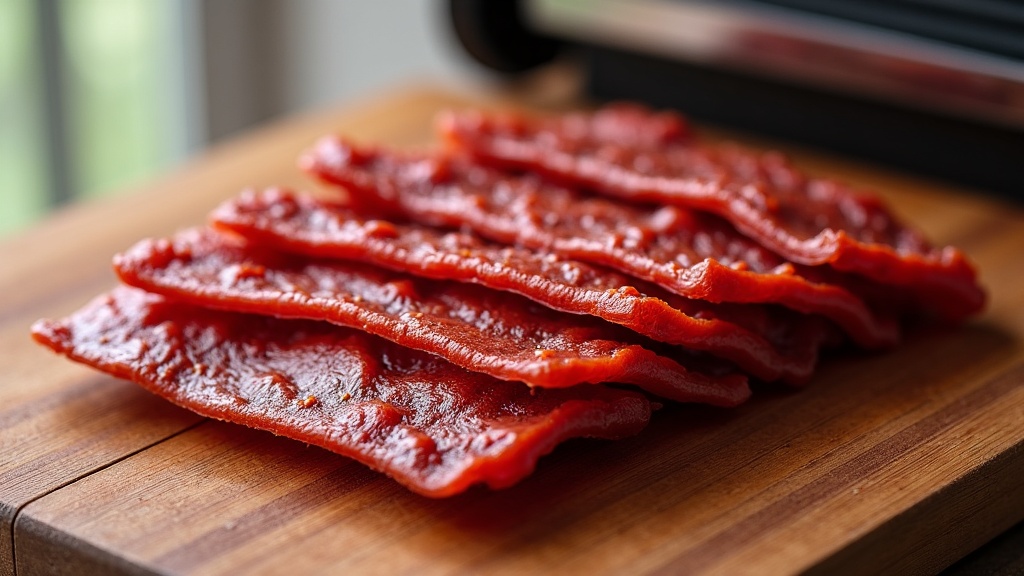
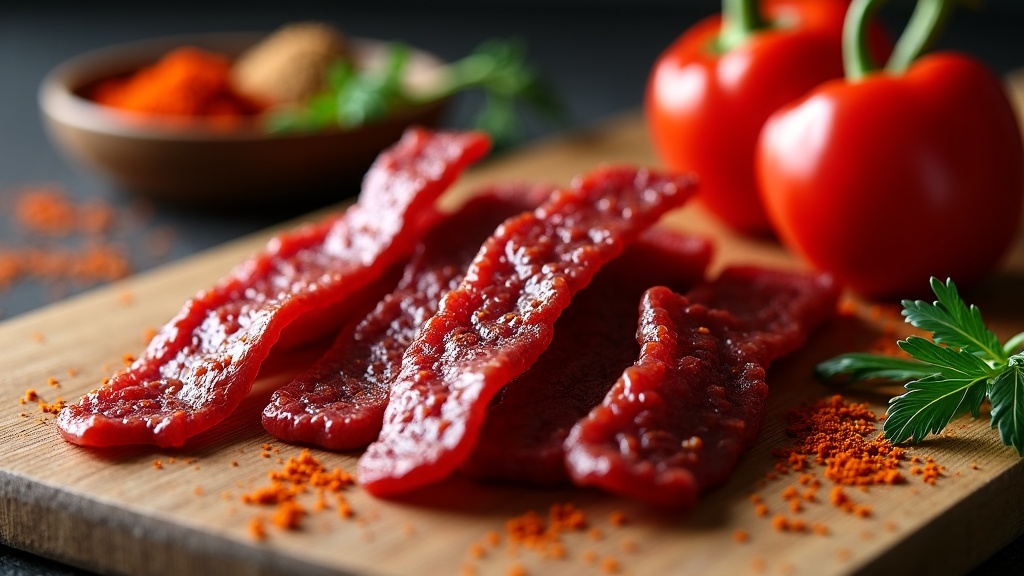
Let me be straight with you: most “spicy beef jerky” recipes out there are just regular jerky with a pinch of cayenne and a prayer. That’s not spicy — that’s a suggestion. As a food scientist who’s been making jerky in my garage for the better part of a decade, I’ve reverse-engineered the heat gradient from mild tickle to full ghost pepper nuclear, and today I’m sharing all three versions with you.
Whether you’re a capsaicin newbie or a heat-chasing masochist, there’s a version here for you. Let’s get into it.
Why Heat Level Matters in Jerky
Capsaicin — the compound that makes peppers hot — doesn’t behave the same way in dried meat as it does in fresh salsa. During the dehydration process, the fat-soluble capsaicin concentrates as moisture leaves. That means a marinade that tastes “pleasantly warm” before drying can end up significantly hotter in the finished jerky. Understanding this is the key to dialing in your heat level precisely.
According to the FDA’s food safety guidelines for dried meats, beef jerky should reach an internal temperature of 160°F to eliminate pathogens — keep that in mind regardless of which heat level you choose.
The Base Recipe (Applies to All Three Heat Levels)
Best Cut of Beef
Top round is my go-to. It’s lean, slices cleanly, and holds up well during dehydration. Eye of round and flank steak are solid alternatives. Avoid anything with heavy marbling — fat goes rancid and shortens shelf life dramatically.
Aim for slices about 1/4 inch thick, cut against the grain for tender jerky or with the grain for chewier strips. Partially freeze the beef for 1–2 hours before slicing — it makes clean cuts much easier.
Base Marinade Ingredients (for 2 lbs beef)
- 1/3 cup soy sauce
- 1/4 cup Worcestershire sauce
- 2 tablespoons brown sugar
- 1 teaspoon garlic powder
- 1 teaspoon onion powder
- 1 teaspoon smoked paprika
- 1/2 teaspoon black pepper
- 1/2 teaspoon liquid smoke (optional, but I love it)
Combine everything in a zip-lock bag or airtight container. Add your beef, massage to coat, and marinate in the refrigerator for 8–24 hours. Longer = more flavor penetration. Don’t skip this step.
Heat Level 1: Mild Spicy Beef Jerky Recipe
This one is approachable — a gentle warmth that builds slowly and leaves a pleasant tingle. Great for bringing to mixed-crowd gatherings or converting spice skeptics.
Additional Ingredients (add to base marinade)
- 1 teaspoon crushed red pepper flakes
- 1/2 teaspoon cayenne pepper
- 1 teaspoon hot sauce (Frank’s RedHot or similar)
Heat profile: 2/5 — A warm, lingering heat. No sweat, no drama. Great with a cold beer.
Heat Level 2: Medium-Hot Spicy Beef Jerky Recipe
This is the sweet spot for most heat lovers. Habanero powder and serrano pepper bring real, lip-tingling heat without destroying your taste buds. You’ll still taste the beef.
Additional Ingredients (add to base marinade)
- 1 teaspoon cayenne pepper
- 1/2 teaspoon habanero powder
- 1 fresh serrano pepper, minced (or 1/2 tsp serrano powder)
- 1 tablespoon sriracha
- 1/4 teaspoon white pepper
Heat profile: 3.5/5 — Face-flushing heat that builds with each strip. Keep water nearby (though it won’t help much — try milk).
Heat Level 3: Ghost Pepper Beef Jerky Recipe (Nuclear Edition)
Okay, I have to say this: ghost peppers are not a joke. The bhut jolokia clocks in at over 1,000,000 Scoville units. This recipe is for experienced heat eaters only. I made a batch of this for a friend’s hot sauce challenge and three grown adults tapped out after one strip.
Wear gloves when handling ghost pepper powder. Seriously. Don’t rub your eyes. Don’t touch your face. I learned this the hard way.
Additional Ingredients (add to base marinade)
- 1 teaspoon cayenne pepper
- 1 teaspoon habanero powder
- 1/2 teaspoon ghost pepper powder (bhut jolokia)
- 1 tablespoon sriracha
- 1 tablespoon chili garlic sauce
- 1/4 teaspoon Carolina Reaper powder (optional — if you really hate yourself)
Heat profile: 5/5+ — Intense, building, full-body heat. The kind that makes you question your life choices. Absolutely delicious if you can handle it.
Dehydrator Settings & Step-by-Step Instructions
Equipment You’ll Need
A good food dehydrator is the single biggest upgrade you can make to your jerky game. I’ve been using the Excalibur 3926TB 9-Tray Dehydrator for years — it has adjustable temperature control and horizontal airflow that dries evenly without rotating trays. If you’re on a budget, the COSORI Premium Food Dehydrator is an excellent mid-range option.
Step-by-Step Instructions
- Prep the beef: Partially freeze the meat (1–2 hours), then slice into 1/4-inch strips. Against the grain = tender; with the grain = chewy. Your choice.
- Make the marinade: Combine base ingredients + your chosen heat-level additions in a large zip-lock bag or covered container.
- Marinate: Add beef strips, remove excess air, and refrigerate for 8–24 hours. Flip halfway through if you can remember.
- Pre-dry prep: Remove strips from marinade and pat dry with paper towels. Surface moisture slows the drying process significantly.
- Arrange on dehydrator trays: Lay strips in a single layer with slight space between each. No overlapping — airflow is everything.
- Set temperature: 160°F (71°C) for the first 1–2 hours to hit food-safe internal temperature, then reduce to 145°F for the remainder. Total drying time: 4–8 hours depending on thickness.
- Check for doneness: Properly dried jerky bends without breaking and shows no moisture when bent. It should crack slightly at the fold point.
- Cool and store: Let cool completely on wire racks before storing. Airtight container = up to 2 weeks at room temperature, 1–2 months refrigerated.
Oven Method (No Dehydrator)
Set your oven to its lowest setting (usually 170°F). Place strips on wire racks over baking sheets and prop the oven door open slightly with a wooden spoon to allow moisture to escape. Expect 3–5 hours total. It works, but a dehydrator gives more consistent results.
Pro Tips from the Lab (and Garage)
- Capsaicin concentrates during drying. Your marinade will taste about 30–40% milder than the finished jerky. Adjust accordingly.
- Soy sauce is your salt source. Don’t add extra salt unless you taste the marinade raw and it’s genuinely under-seasoned.
- Liquid smoke is divisive. I love it. My wife doesn’t. Use half a teaspoon first time through.
- Brown sugar balances heat. For the ghost pepper version, bumping the brown sugar to 3 tablespoons helps tame the edge without reducing Scoville count.
- Check out our complete beef jerky seasoning guide for deeper dives into salt, smoke, and spice ratios.
Recommended Gear (Amazon Picks)
- Excalibur 3926TB 9-Tray Dehydrator — My daily driver. Even heat, great capacity.
- COSORI Premium Food Dehydrator — Budget-friendly with digital controls.
- Ghost Pepper Powder (Amazon search) — Get a reliable food-grade powder, not the mystery jars at dollar stores.
- Electric Meat Slicer — Once you go electric, you never go back to knife-slicing.
Food Safety Note
The USDA recommends heating beef jerky to an internal temperature of 160°F to destroy harmful bacteria including E. coli and Salmonella. Starting your dehydrator at 160°F for the first hour before reducing temperature is the safest approach. You can also pre-heat marinated strips in a 275°F oven for 10 minutes before transferring to the dehydrator. See the USDA FSIS jerky food safety guidelines for full details.
Frequently Asked Questions
How spicy is ghost pepper jerky really?
Genuinely very hot. Ghost peppers measure 855,000–1,041,427 Scoville units — roughly 400x hotter than a jalapeño. Because capsaicin concentrates during dehydration, the finished jerky punches harder than the raw marinade. If you’ve never eaten ghost pepper food before, start with a small bite and wait 60 seconds before going for more.
Can I make spicy beef jerky in an air fryer?
Yes! Check out our beef jerky air fryer guide for specific temps and timing. The heat levels in this recipe translate directly to air fryer jerky — just adjust for the shorter cook time.
How long does spicy beef jerky last?
Properly dried and stored jerky lasts 1–2 weeks at room temperature in an airtight container, 1–2 months in the refrigerator, and up to 6 months in the freezer. The spices don’t affect shelf life — fat content does. Lean cuts = longer shelf life.
Why is my jerky too wet after dehydrating?
Either you didn’t pat the strips dry before loading the trays, your temperature was too low, or slices were too thick. Pat dry, bump temp to 160°F for the first hour, and keep slices at 1/4 inch or under.
Can I use ground beef for spicy jerky?
Absolutely — check out our ground beef jerky recipe for a cheaper, equally delicious variation. The spice ratios in this recipe apply directly.