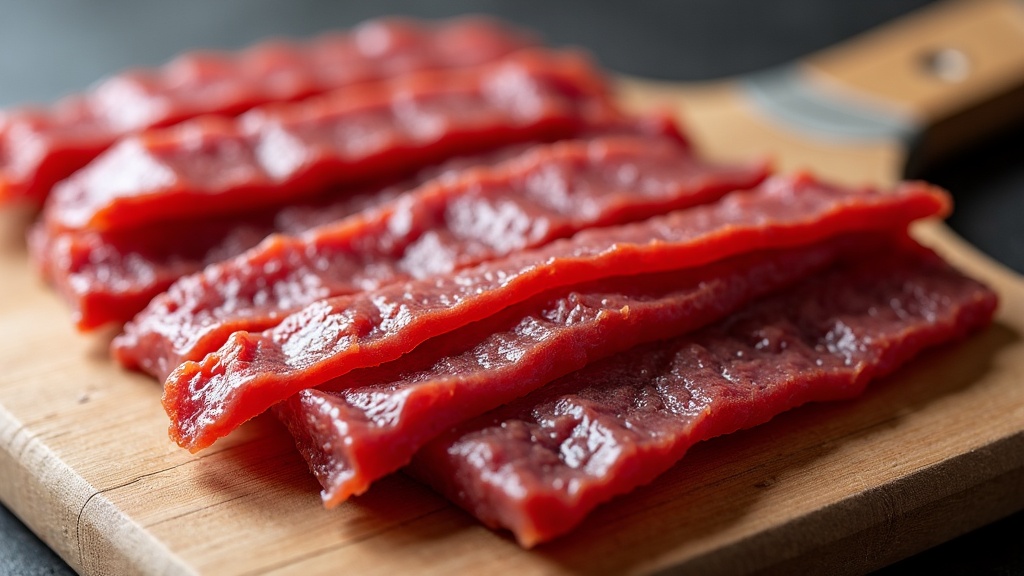
How to Store Homemade Beef Jerky Long-Term
After eight years and 400+ batches of homemade jerky, I’ve learned that storage makes or breaks your jerky game. I’ve had batches go moldy in a week and others stay perfect for six months—the difference? Proper storage. Let me show you exactly how to keep your homemade beef jerky fresh, safe, and delicious for the long haul.
The Short Answer: Cool, Dark, and Airtight
Homemade beef jerky stored in airtight containers at room temperature lasts 1-2 months. In the fridge, you’re looking at 4-6 months. Freeze it properly, and you can push 12+ months. The key variables are moisture content, oxygen exposure, and temperature—control those three, and you’re golden.
Here’s the thing most people miss: commercial jerky is packed with preservatives like sodium nitrite and often vacuum-sealed with oxygen absorbers. Your homemade stuff doesn’t have those chemical safety nets, so your storage game needs to be tight.
Why Homemade Jerky Storage Is Different
When I started making jerky, I treated it like store-bought stuff—left it in a plastic bag on the counter. Big mistake. By day 5, I had white spots forming. Turns out, homemade jerky is more vulnerable for three reasons:
- Higher moisture content: Even well-dried homemade jerky typically retains 15-25% moisture vs. 5-10% for commercial brands
- No chemical preservatives: Sodium nitrite, used in commercial jerky, inhibits bacterial growth for months
- Variable drying conditions: Your dehydrator or oven doesn’t maintain the same precision as industrial equipment
According to research on home-dried meat safety, preparation methods significantly impact shelf stability. The study found that traditional drying alone may not eliminate all food-poisoning bacteria, making proper storage even more critical for homemade batches.
Best Storage Methods: A Comparison
| Storage Method | Shelf Life | Best For | Drawbacks |
|---|---|---|---|
| Vacuum-Sealed + Room Temp | 1-2 months | Immediate consumption, gifts | Limited shelf life, humidity risk |
| Airtight Container + Fridge | 4-6 months | Regular snacking, weekly batches | Takes up fridge space |
| Vacuum-Sealed + Freezer | 12+ months | Long-term storage, bulk batches | Requires vacuum sealer, freezer burn risk |
| Mason Jars + Oxygen Absorbers | 2-3 months (room temp) | Small batches, pantry storage | Can’t see moisture issues immediately |
| Mylar Bags + Oxygen Absorbers | 6-12 months | Long-term pantry storage, prepping | Single-use bags, requires heat sealer |
My Go-To Storage System
Here’s what works in my garage jerky operation: I vacuum-seal portions and freeze 80% of each batch. The remaining 20% goes in a glass jar with an oxygen absorber for the current week. This system means I always have fresh-tasting jerky without risking an entire batch.
Room Temperature Storage (1-2 Months)
Room temperature works if you’re eating the jerky within a few weeks. Key steps:
- Ensure thorough drying: Your jerky should crack when bent, not fold. Any flexibility means too much moisture remains
- Cool completely: Never bag warm jerky—condensation = mold city
- Use airtight containers: Glass jars with airtight seals or vacuum-sealed bags
- Add oxygen absorbers: Oxygen absorber packets (100cc for quart-sized containers)
- Store in a cool, dark place: Pantry or cupboard away from heat sources
A study on jerky storage conditions found that contaminated jerky stored at 20°C (68°F) and high relative humidity for 26-28 days did not contain detectable added bacteria—but that’s under controlled conditions. In real-world humid environments, you’re playing with fire beyond 2 months.
Refrigerator Storage (4-6 Months)
The fridge is my middle-ground option. It extends shelf life significantly without the commitment of freezing:
- Use airtight containers or bags: Prevents your jerky from absorbing fridge odors
- Keep away from moisture: Don’t store near the crisper drawer or anywhere condensation forms
- Portion control: Take out only what you’ll eat in a few days, then reseal
The cold slows oxidation and bacterial growth without freezing water molecules. I’ve had batches in the fridge hit 6 months with zero quality loss—still chewy, flavorful, and safe.
Freezer Storage (12+ Months)
For serious long-term storage, freezing is unbeatable. Contrary to what you might hear, freezing doesn’t ruin jerky texture—I’ve tested this dozens of times.
How to freeze jerky properly:
- Vacuum-seal in meal-sized portions: Vacuum sealer machines remove air that causes freezer burn
- Label with date and marinade type: Trust me, after 8 months you won’t remember which is teriyaki and which is peppered
- Freeze quickly: Don’t overload your freezer—leave space for air circulation
- Store at 0°F (-18°C) or below: Check your freezer temp; many home freezers run warmer than ideal
Interestingly, research on freezing raw meat before jerky production showed that freezing can actually impact the final texture characteristics. However, freezing finished jerky has minimal impact since the meat structure is already dehydrated and set.
When you’re ready to eat frozen jerky, just thaw at room temperature for 20-30 minutes. I usually grab a bag in the morning, and it’s ready for my commute home.
Signs Your Jerky Has Gone Bad
Don’t mess around with spoiled meat. Watch for these red flags:
- Visible mold: White, green, or black fuzzy spots—toss the entire batch
- Off smell: Should smell like seasoned meat, not sour or ammonia-like
- Slimy texture: Fresh jerky is dry and may be slightly tacky, but never slimy
- Color changes: Fading is normal, but gray or greenish tints are not
- Excessive moisture: If you see condensation in the bag, bacteria are having a party
I had a batch go bad once because I didn’t dry it thoroughly—looked fine on day 3, had white mold spots on day 7. Learned my lesson: if you’re not 100% sure it’s dry enough, give it another hour in the dehydrator.
Oxygen Absorbers vs. Desiccant Packs
There’s confusion about which to use. Here’s the breakdown:
| Feature | Oxygen Absorbers | Desiccant Packs |
|---|---|---|
| Primary Function | Remove oxygen from sealed containers | Absorb moisture/humidity |
| Best For | Preventing oxidation, extending shelf life | Keeping dry foods crispy |
| Jerky Application | ✓ Yes—prevents rancidity | ✗ No—can over-dry, making jerky brittle |
| Must Be Airtight | Yes | No (works in semi-sealed containers) |
Use oxygen absorbers, not desiccant packs. Jerky already has low moisture—you want to prevent oxidation (which causes rancid flavors), not remove more moisture.
Vacuum Sealing: Worth the Investment?
Absolutely, if you make jerky regularly. I resisted buying a vacuum sealer for the first two years. Wish I hadn’t.
Why vacuum sealing beats other methods:
- Removes 99% of oxygen vs. ~80% for oxygen absorbers alone
- Creates a moisture barrier—no fridge odors, no humidity exposure
- Prevents freezer burn for 12+ months
- Makes portion control easy
A decent vacuum sealer with bags included runs $50-80 and pays for itself after a few bulk batches. I vacuum-seal 4-ounce portions—perfect for grabbing one for a hiking trip or the gym bag.
Vacuum sealing tips for jerky:
- Place a paper towel between jerky and the seal line—prevents oils from interfering with the seal
- Don’t overfill bags—jerky pieces can puncture the seal under vacuum pressure
- Use the “moist” setting if your sealer has one
- Double-check seals before storing—a weak seal defeats the purpose
Storage Mistakes I’ve Made (So You Don’t Have To)
Eight years in, I’ve screwed up enough to save you some pain:
1. Storing Before Completely Cool
Warm jerky in a sealed container = condensation = mold. Wait at least 30 minutes after removing from the dehydrator. I now spread finished jerky on a cooling rack while I clean up—by the time I’m done, it’s cool enough to bag.
2. Under-Drying to Keep It “Tender”
Slightly moist jerky tastes great… for 3 days. Then it molds. For long-term storage, err on the side of over-drying. You can always add moisture back (place in a bag with a damp paper towel for 10 minutes), but you can’t un-mold spoiled meat.
3. Not Labeling Storage Dates
Six freezer bags of jerky look identical. Was that bag from October or January? Now I label everything: date, marinade type, and drying notes (e.g., “extra dry for camping”).
4. Storing Large Batches Together
If one big container of jerky goes bad, you lose it all. Portion into smaller containers—if one gets contaminated, the rest are safe. This is especially important for room-temp storage.
5. Ignoring Humidity Levels
I’m in Milwaukee—humidity is real. During summer months, room-temp jerky doesn’t last as long. If you live in a humid climate, default to fridge or freezer storage, or use a dehumidifier in your pantry.
Special Considerations for Different Jerky Types
Ground Meat Jerky
Ground jerky (made with jerky guns) has more surface area exposed to air, making it more prone to oxidation. Store ground jerky in smaller portions and consume within the lower end of shelf-life ranges (e.g., 3-4 months frozen vs. 12+ for whole-muscle jerky).
High-Fat Meats (Pork, Salmon)
Fat goes rancid faster than lean protein. If you’re making pork or salmon jerky, trim as much fat as possible and reduce storage times by 30-40%. Fridge or freezer storage is strongly recommended—room temp storage for fatty jerky is risky beyond 2-3 weeks.
Wet vs. Dry Marinades
Wet marinades (soy sauce-based, teriyaki) leave slightly more moisture in the finished product compared to dry rubs. If you used a wet marinade, be extra vigilant about drying time and consider freezer storage for anything beyond a month.
Mylar Bags: The Prepper’s Choice
If you’re into long-term food storage or want shelf-stable jerky for camping/emergencies, mylar bags with oxygen absorbers are the gold standard.
How to use mylar bags for jerky:
- Get food-grade mylar bags (at least 5-mil thickness) and a heat sealer
- Fill bags with fully cooled, thoroughly dried jerky
- Add a 100cc oxygen absorber per quart-sized bag
- Seal immediately—oxygen absorbers activate when exposed to air
- Store in a cool, dark location (pantry, closet, basement)
Properly sealed mylar with oxygen absorbers can keep jerky shelf-stable for 6-12 months at room temperature. The opaque bags also block light, which degrades vitamins and causes flavor loss over time.
How to Tell If Jerky Is Dry Enough for Storage
This is the million-dollar question. Under-dried jerky spoils; over-dried jerky turns into shoe leather.
The bend test:
- Too moist: Bends easily without resistance, doesn’t crack
- Just right: Bends with some resistance, cracks but doesn’t break in half
- Too dry: Snaps cleanly in half when bent
For long-term storage, aim for “just right” leaning toward “too dry.” You can always rehydrate slightly if needed.
Pro tip: After drying, let jerky rest uncovered on a rack for 4-6 hours. Any remaining internal moisture will migrate to the surface—if you see wetness, dry longer. This rest period has saved me from moldy batches more times than I can count.
Does Freezing Change Jerky Texture?
Short answer: not really. I’ve done blind taste tests with my kids—they can’t tell the difference between fresh and frozen-then-thawed jerky.
The National Center for Home Food Preservation confirms that meat can be cooked or prepared from a frozen state without significant texture changes. Since jerky is already dehydrated, freezing doesn’t create the ice crystals that damage fresh meat’s cell structure.
Where freezing CAN cause issues:
- Freezer burn: Occurs when air reaches the surface—use vacuum sealing or airtight bags
- Multiple freeze-thaw cycles: Thaw only what you’ll eat, don’t refreeze
- Temperature fluctuations: Keep freezer at a consistent 0°F or below
FAQ: Storing Homemade Beef Jerky
How long does homemade beef jerky last without refrigeration?
Properly dried and stored in an airtight container with an oxygen absorber, homemade beef jerky lasts 1-2 months at room temperature in a cool, dark place. High humidity or warm temperatures (above 75°F) reduce this to 2-3 weeks. If your jerky still feels flexible or wasn’t dried thoroughly, refrigerate or freeze to be safe.
Can you freeze homemade beef jerky?
Yes—freezing is the best method for long-term storage. Vacuum-seal in portion-sized bags and freeze at 0°F or below for 12+ months of shelf life. Frozen jerky maintains its texture and flavor when thawed at room temperature for 20-30 minutes. Avoid refreezing after thawing to prevent quality loss.
Should I use oxygen absorbers or desiccant packs for jerky?
Use oxygen absorbers, not desiccant packs. Oxygen absorbers remove oxygen that causes rancidity and extends shelf life, while desiccant packs remove moisture and can make jerky overly brittle. Jerky is already a low-moisture food—preventing oxidation is more important than additional drying. Use 100cc oxygen absorbers for quart-sized containers.
What’s the best container for storing beef jerky?
Vacuum-sealed bags are best for long-term storage, followed by glass jars with airtight seals plus oxygen absorbers. For freezer storage, vacuum sealing prevents freezer burn. For pantry/countertop storage lasting a few weeks, glass jars or food-grade airtight containers work well. Avoid standard plastic bags—they’re not airtight enough and allow oxygen penetration.
How do you know when homemade jerky has gone bad?
Discard jerky if you see visible mold (white, green, or black spots), smell sour or ammonia-like odors, feel a slimy texture, or notice grayish/greenish discoloration. Fresh jerky should smell like seasoned meat, feel dry (possibly slightly tacky but never wet), and maintain its original brown or reddish color. When in doubt, throw it out—spoiled meat isn’t worth the risk.