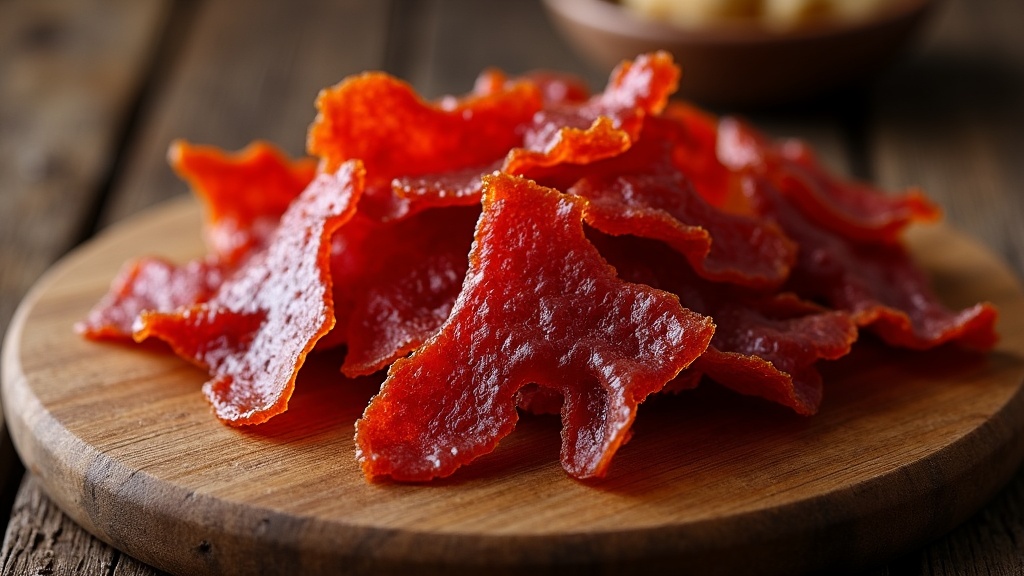
Elk Jerky Recipe: The Best Wild Game Jerky You Can Make
Elk makes phenomenal jerky — leaner than beef, richer flavor than deer, and if you process it right, the best wild game jerky you’ll ever eat. I’ve been making elk jerky for six hunting seasons now, and after 40+ batches I’ve nailed down exactly what works.
Here’s the thing most recipes won’t tell you: elk is exceptionally lean. That means you need to adjust your marinade ratios, watch your drying temperature like a hawk, and never, ever over-dry it. Do those three things right and you’ll have jerky that makes your beef batches look like practice runs.
What Makes Elk Jerky Different
Elk has about 1.5-2% fat content compared to beef’s 8-10%. Less fat means:
- Faster drying time — usually 15-20% quicker than beef
- Longer shelf life — less fat means less rancidity risk
- Higher protein concentration — around 35g per 100g of finished jerky
- More marinade absorption — lean meat soaks up flavor better
The downside? It’s unforgiving. Over-dry elk jerky by even 30 minutes and you’ve got leather boot laces instead of food.
The Recipe: Sam’s Standard Elk Jerky
This is my baseline elk jerky recipe. I’ve made it probably 30 times. It works with every cut and never disappoints.
Ingredients
For 2 lbs elk meat (yields ~12 oz jerky):
- ⅓ cup soy sauce (I use low-sodium)
- 3 tablespoons Worcestershire sauce
- 2 tablespoons brown sugar
- 1½ tablespoons apple cider vinegar
- 1 tablespoon coarse black pepper
- 1½ teaspoons garlic powder
- 1 teaspoon onion powder
- 1 teaspoon smoked paprika
- ½ teaspoon cayenne (optional, adds mild heat)
- ¼ teaspoon cure #1 (optional but recommended — see notes below)
Process
1. Prep the meat
Partially freeze your elk for 60-90 minutes. You want it firm enough to slice cleanly but not rock-hard. Remove all visible fat and silver skin — that stuff doesn’t dry well and tastes gamey.
Slice against the grain at ¼ inch thick. Use a electric meat slicer if you’ve got one. It’ll save you 20 minutes and give you consistent thickness.
2. Mix the marinade
Combine all ingredients in a bowl and whisk until the sugar dissolves completely. Taste it — should be salty-sweet with a vinegar tang.
3. Marinate
Put the sliced elk in a gallon ziplock freezer bag, pour in the marinade, squeeze out all the air, and seal. Massage the bag to coat everything evenly.
Refrigerate for 8-12 hours. I usually do overnight. Don’t go past 18 hours — the vinegar will start breaking down the meat texture.
4. Dry
Pull the strips out and pat them semi-dry with paper towels. You want them damp, not dripping.
Lay them on your dehydrator trays with space between each piece. Set temperature to 160°F.
Drying times by thickness:
| Thickness | Approximate Time | Notes |
|---|---|---|
| ⅛ inch | 3-4 hours | Crispy style, snaps clean |
| ¼ inch | 4-5 hours | Classic texture, bends but doesn’t break |
| ⅜ inch | 5-6 hours | Chewy, my preference for elk |
Start checking at 3.5 hours. Pull a piece, let it cool for 2 minutes, then bend it. Done elk jerky should:
- Bend without breaking
- Show white protein fibers when bent
- Feel leathery but not brittle
- Have no moisture beads when squeezed
5. Rest and store
Let the jerky cool completely on the counter for 30 minutes. Then pack it in airtight containers or vacuum seal bags. It’ll keep at room temperature for 2-3 weeks, or in the freezer for 6+ months.
Best Cuts for Elk Jerky
Not all elk cuts are equal for jerky. Here’s what I’ve learned:
| Cut | Fat Content | Ease of Slicing | My Rating |
|---|---|---|---|
| Round (top/bottom) | Minimal | Excellent | ⭐⭐⭐⭐⭐ Best overall |
| Sirloin tip | Very low | Very good | ⭐⭐⭐⭐⭐ Perfect grain direction |
| Flank | Low | Good | ⭐⭐⭐⭐ Great flavor |
| Eye of round | Minimal | Excellent | ⭐⭐⭐⭐ Consistent results |
| Backstrap | Very low | Fair | ⭐⭐⭐ Too premium for jerky IMO |
I save backstrap and tenderloin for steaks. Everything else is fair game for the dehydrator.
Cure #1: Should You Use It?
This gets asked a lot. Cure #1 (sodium nitrite) serves two purposes:
- Botulism prevention — kills Clostridium botulinum spores
- Color retention — keeps the meat red instead of turning brown
If you’re drying at 160°F+ and storing in the fridge or freezer, you’re probably fine without it. But I use it anyway because:
- It’s cheap (one container lasts years)
- Adds a subtle cured flavor
- Extra safety margin if I screw up storage
Use exactly ¼ teaspoon per 2 lbs of meat. More is not better — too much cure tastes metallic.
You can find Prague Powder #1 cure on Amazon or at any sausage-making supply shop.
Flavor Variations I Actually Make
Once you’ve got the base recipe down, these are worth trying:
Teriyaki Elk Jerky
Replace the Worcestershire with teriyaki sauce, add 1 tablespoon fresh grated ginger, reduce brown sugar to 1 tablespoon. Kids love this one.
Spicy Black Pepper
Triple the black pepper (3 tablespoons — yes, really), add 1 teaspoon crushed red pepper flakes, reduce cayenne to ¼ teaspoon. This has serious bite.
Sweet & Smoky
Increase brown sugar to 3 tablespoons, add 1 tablespoon maple syrup, bump smoked paprika to 2 teaspoons. Add ½ teaspoon liquid smoke if you want that campfire vibe.
Common Mistakes (I’ve Made Them All)
Slicing with the grain instead of against it. This makes jerky that’s impossible to chew. Grain runs lengthwise in most elk cuts — slice perpendicular to those lines.
Over-marinating. Past 18 hours and the acid breaks down the meat structure. You’ll end up with mushy jerky that falls apart.
Crowding the dehydrator trays. Air needs to circulate. Leave at least ¼ inch between pieces or you’ll get uneven drying.
Not rotating trays. Bottom trays dry faster. Swap positions every 90 minutes.
Storing while still warm. Residual heat creates condensation in the bag, which leads to mold. Always cool completely first.
Equipment That Actually Matters
You don’t need much, but these tools make a difference:
- 5-tray dehydrator minimum — anything smaller and you’re making jerky in shifts
- Digital meat thermometer — verify your dehydrator actually hits 160°F
- Jerky gun — optional, but if you’ve got trim/scrap elk, ground jerky is the move
Frequently Asked Questions
Can I make elk jerky in the oven?
Yes, but it’s trickier. Set your oven to the lowest temperature (usually 170-200°F), crack the door open 2-3 inches, and expect it to take 6-8 hours. Use a wire rack over a baking sheet. The temperature inconsistency makes it harder to nail the texture, but it works if you don’t have a dehydrator.
How long does elk jerky last?
At room temperature in an airtight container: 2-3 weeks. In the fridge: 4-6 weeks. In the freezer: 6+ months. Without cure, knock those times down by about 25%. If you see any mold or it smells off, toss it.
Do I need to use cure for elk jerky?
Technically no, especially if you’re drying at 160°F+ and storing it properly. But I recommend it for the extra safety margin and better flavor. Use Prague Powder #1 at exactly ¼ teaspoon per 2 lbs of meat.
Can I use ground elk for jerky?
Absolutely. Mix the marinade directly into the ground meat (same ratios), then use a jerky gun or press it flat between parchment paper to ¼ inch thick. Drying time is usually 4-5 hours at 160°F. Ground elk jerky has a different texture — more like a meat stick — but it’s a great way to use trim.
Why does my elk jerky turn out tough?
Two main reasons: you sliced with the grain instead of against it, or you over-dried it. Elk is so lean that even 30 minutes too long makes it hard and brittle. Start checking doneness early and pull it when it’s still slightly pliable.

