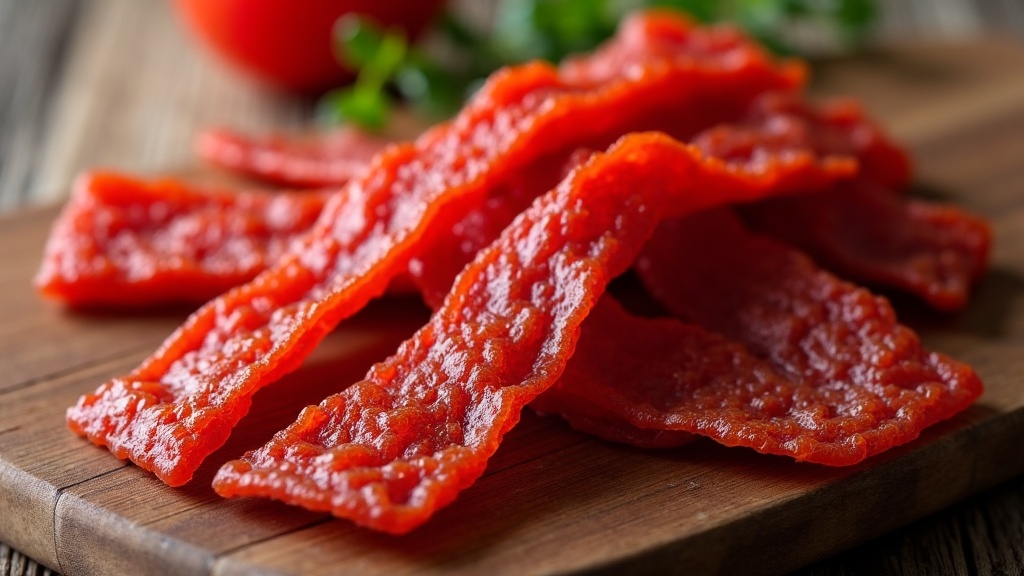
Lamb Jerky Recipe: An Underrated Meat That Makes Outstanding Jerky
I avoided lamb for my first six years of making jerky because I thought it would taste gamey and weird. Then I finally tried it, and I’ve kicked myself ever since — lamb makes some of the most flavorful, tender jerky I’ve ever pulled out of my dehydrator.
The key is choosing the right cut and understanding that lamb fat behaves differently than beef or venison. Once you nail those two things, you’ll have a jerky that stands out at every gathering and keeps people asking what you did different.
Why Lamb Works So Well for Jerky
Lamb has a naturally rich flavor that doesn’t need much help. Unlike beef where you’re often masking the meat with bold marinades, lamb carries its own weight. The meat is tender to begin with, so you don’t need to worry as much about slicing against the grain or pounding it thin.
Here’s what surprised me most: lamb leg is leaner than you’d think. When you trim the external fat and silver skin, you’re left with clean, deep-red meat that dehydrates beautifully. The internal marbling is just enough to keep the jerky from drying out completely, but not so much that you end up with rancid-tasting fat pockets three weeks later.
The biggest concern people have is the “gamey” taste. In my experience, American lamb (especially from young animals) has almost zero gamey flavor when properly trimmed. If you’re buying imported lamb or mutton from older sheep, yeah, you’ll taste it. But domestic lamb leg from your grocery store? Totally mild.
Best Cuts of Lamb for Jerky
I’ve tried shoulder, leg, and loin. Here’s how they stack up:
| Cut | Fat Content | Ease of Prep | Best For |
|---|---|---|---|
| Leg | Lean (once trimmed) | Moderate — some silver skin | All-purpose jerky; best value |
| Loin | Very lean | Easy — minimal trimming | Premium jerky; expensive |
| Shoulder | Fatty with lots of connective tissue | Difficult — tedious trimming | Skip it unless it’s free |
My recommendation: Go with boneless leg of lamb. It’s usually $7-9 per pound, yields about 60-70% usable meat after trimming, and the muscle structure makes it easy to slice consistently. You can find boneless leg of lamb at most grocery stores or order it online.
Trimming and Slicing Lamb for Jerky
This is where most people mess up. Lamb has a thick layer of external fat and some gnarly silver skin that you absolutely must remove. If you leave fat on, your jerky will taste rancid within a week. If you leave silver skin, you’ll be chewing rubber bands.
Trimming Process
- Chill the meat: Put your leg of lamb in the freezer for 45-60 minutes until it’s firm but not frozen solid. This makes slicing cleaner.
- Remove external fat: Use a sharp boning knife to peel away the thick white fat cap. Don’t worry about being perfect — just get the obvious stuff.
- Strip the silver skin: That shiny, translucent membrane needs to go. Slide your knife under it at a shallow angle and work it off in strips.
- Separate muscle groups: Lamb leg has natural seams between muscles. Follow those seams and break the leg into smaller sections. This makes slicing way easier.
Slicing Tips
Slice ¼ inch thick for chewy jerky, or ⅛ inch for crispier pieces. I prefer ¼ inch because it holds up better to marinades and doesn’t over-dry.
With the grain or against? Honestly, lamb is tender enough that it doesn’t matter as much as it does with beef. I usually slice with the grain (parallel to the muscle fibers) because it’s easier to get consistent thickness, and the jerky still chews fine.
If you’re serious about making jerky regularly, invest in a meat slicer. I resisted for three years, and when I finally got one, I realized I’d wasted dozens of hours hand-slicing.
My Go-To Lamb Jerky Recipe
I’ve tested probably 15 different marinades on lamb. This one hits the sweet spot — it complements the meat without drowning it, and the spices add complexity without going full curry.
Ingredients
- 2 lbs lamb leg, trimmed and sliced
- ⅓ cup soy sauce (I use low sodium)
- ¼ cup Worcestershire sauce
- 2 tablespoons olive oil
- 2 tablespoons red wine vinegar
- 2 tablespoons brown sugar
- 1 tablespoon smoked paprika
- 2 teaspoons garlic powder
- 1 teaspoon ground cumin
- 1 teaspoon black pepper
- ½ teaspoon crushed red pepper (optional, for heat)
- ½ teaspoon dried rosemary, crushed fine
Instructions
- Mix the marinade: Combine all ingredients except the lamb in a large bowl. Whisk until the sugar dissolves.
- Add the meat: Toss in your sliced lamb and mix thoroughly. Make sure every piece is coated.
- Refrigerate: Cover and let it marinate for 6-12 hours. I usually start mine in the morning and dehydrate in the evening, or marinate overnight and dehydrate the next afternoon.
- Drain and pat dry: Pull the meat out and shake off excess marinade. Pat the pieces with paper towels — this speeds up drying time.
- Arrange on trays: Lay the strips on your dehydrator trays in a single layer. Don’t overlap or they’ll stick together.
- Dehydrate: Set your dehydrator to 160°F. Check at 4 hours. For ¼-inch slices, you’re usually looking at 5-6 hours total. The jerky is done when it bends without breaking and no moisture beads appear when you squeeze it.
- Cool and store: Let the jerky cool completely before packing it into airtight containers or vacuum seal bags. It’ll keep at room temperature for 2-3 weeks, or in the fridge for 2 months.
Variations Worth Trying
Once you nail the basic recipe, here are some twists that worked well in my garage lab:
Mediterranean Style
Replace the smoked paprika and cumin with 2 teaspoons dried oregano, 1 teaspoon dried thyme, and add the zest of one lemon to the marinade. This is killer with lamb.
Spicy Harissa-Inspired
Add 2 tablespoons harissa paste (or sub with 1 tablespoon chili paste and 1 teaspoon caraway seeds). Cut the brown sugar in half to let the heat come through.
Sweet and Smoky
Double the brown sugar, add 2 tablespoons maple syrup, and increase the smoked paprika to 2 tablespoons. This one disappears fast at parties.
Common Mistakes to Avoid
Leaving fat on: I said it earlier, but it bears repeating. Fat on lamb jerky = rancid flavor within days. Trim aggressively.
Over-marinating: Lamb is tender. If you leave it in the marinade for 24+ hours, the texture gets mushy. Stick to 6-12 hours max.
Dehydrating too hot: If you crank your dehydrator to 180°F thinking it’ll go faster, you’ll end up with jerky that’s crusty on the outside and still moist inside. Low and slow at 155-160°F is the move.
Not checking early enough: Lamb can go from perfect to over-dried faster than beef because it’s leaner. Start checking at 4 hours and every 30 minutes after that.
Storing Lamb Jerky
Properly dried lamb jerky (moisture content below 20%) will last 2-3 weeks in an airtight container at room temperature. If you vacuum seal it, you can push that to 6 weeks, or store it in the fridge for 2-3 months.
I portion mine into mason jars with those little oxygen absorber packets. Each jar holds about one batch’s worth, and I can grab one when we’re heading out for a day trip or my kids need protein for sports.
Frequently Asked Questions
Does lamb jerky taste gamey?
Not if you use young American lamb and trim all the fat. The flavor is richer than beef but not what I’d call gamey. If you’re worried, start with the basic recipe — the soy sauce and Worcestershire balance out the meat really well.
Can I use ground lamb for jerky?
Yes, but the texture is completely different. You’ll need to mix the ground lamb with cure (like pink salt) and form it into strips using a jerky gun. The flavor is good, but I prefer whole-muscle jerky from leg of lamb for the texture and chew.
Is it safe to make jerky without curing salt?
If you’re using whole-muscle meat (like lamb leg) and dehydrating at 155-160°F for 5-6 hours, you don’t need curing salt. The combination of marinating, dehydrating at proper temp, and getting the moisture content low enough makes it safe. Curing salt is required for ground meat jerky because of the increased surface area and bacterial risk.
How much jerky does 2 pounds of lamb make?
You’ll lose about 60-70% of the weight during dehydration. So 2 pounds of raw lamb will give you roughly 10-12 ounces of finished jerky. That’s about 15-20 good-sized pieces depending on how thick you slice.
Can I use mutton instead of lamb?
You can, but mutton (meat from sheep older than 1 year) has a much stronger, gamey flavor that most people don’t love in jerky. If you do use mutton, go heavier on the spices and consider a longer marinade with acidic ingredients like vinegar or lemon juice to help tenderize the meat and cut the strong flavor.
Final Thoughts
Lamb jerky isn’t on most people’s radar, which is exactly why you should try it. It’s different enough to stand out, easy enough to make well, and the flavor rewards you for the effort. If you’ve been making beef jerky for years and want something new without learning a whole new technique, this is your move.
Start with the basic recipe I outlined above, nail the trimming process, and don’t overthink it. After 400+ batches of jerky, I can tell you that lamb might be the most underrated meat for this whole operation.

