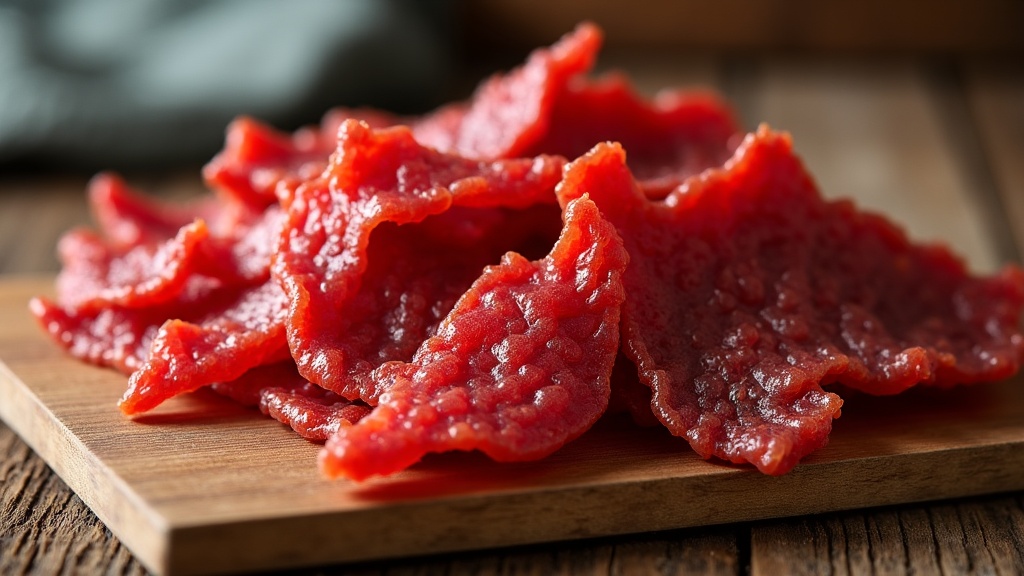
Carne Seca Recipe: The Mexican Dried Beef Tradition Made at Home
I’ve been making jerky in my garage for eight years, but carne seca hit different the first time I tried it — thinner, drier, and meant to be shredded and rehydrated rather than eaten straight from the bag. After about 20 batches over the past two years, I’ve dialed in a recipe that respects the northern Mexican tradition while working with the tools I already had for jerky making.
What Makes Carne Seca Different from Jerky
Before you start slicing, you need to understand that carne seca isn’t just “Mexican jerky.” The preparation and end use are fundamentally different. Traditional carne seca is dried harder and thinner because it’s meant to be cooked — usually shredded and pan-fried or added to scrambled eggs, burritos, or machaca dishes.
| Characteristic | Traditional Jerky | Carne Seca |
|---|---|---|
| Thickness | 1/4 inch (6mm) | 1/8 inch (3mm) or thinner |
| Texture | Pliable, chewy | Brittle, dry, easily shredded |
| Marinade Time | 6-24 hours | 2-4 hours (shorter due to thinness) |
| Primary Use | Eaten as-is (snack) | Cooked after drying (ingredient) |
| Drying Time | 4-8 hours | 6-12 hours (drier finish) |
The Classic Carne Seca Recipe
This recipe makes about 1 pound of finished carne seca from 2 pounds of raw beef. I’m keeping it traditional — garlic, lime, salt, and a touch of heat. No liquid smoke, no brown sugar, no Worcestershire.
Ingredients
- 2 lbs beef (top round, bottom round, or eye of round)
- 1/4 cup fresh lime juice (about 2-3 limes)
- 6 cloves garlic, minced
- 2 tablespoons kosher salt
- 1 tablespoon black pepper, coarsely ground
- 1 teaspoon cumin
- 1/2 teaspoon cayenne pepper (optional, adjust to taste)
Step-by-Step Instructions
1. Prepare the Meat
Freeze the beef for 1-2 hours until firm but not rock solid. This makes slicing way easier. Trim all visible fat — fat doesn’t dry properly and will turn rancid. Using a sharp slicing knife, cut the beef against the grain into strips as thin as you can manage. I shoot for 1/8 inch or thinner. If you’re struggling, a electric meat slicer makes this job trivial.
2. Make the Marinade
In a large bowl, combine lime juice, minced garlic, salt, black pepper, cumin, and cayenne. The lime juice isn’t about flavor volume here — it’s about tenderizing and adding that characteristic tang that defines carne seca.
3. Marinate
Add the sliced beef to the bowl and mix thoroughly with your hands. Make sure every piece gets coated. Cover and refrigerate for 2-4 hours. Don’t go longer — the acid in the lime juice will start to “cook” the meat if you leave it too long, changing the texture.
4. Dry the Meat
Remove the beef from the marinade and pat each piece lightly with paper towels — you want to remove excess liquid but keep the seasoning. Arrange the strips on dehydrator trays without overlapping. Set your food dehydrator to 160°F. If using an oven, set it to the lowest temperature (ideally 170°F or below) and prop the door open slightly with a wooden spoon.
5. Monitor and Test
Check the meat after 6 hours. Carne seca should be completely dry and brittle — it should snap when you bend it, not flex. Depending on thickness and humidity, this can take anywhere from 6-12 hours. The meat will be darker and harder than jerky. That’s correct.
6. Cool and Store
Let the carne seca cool completely at room temperature for at least 30 minutes. Store in an airtight container or vacuum seal bags. Properly dried carne seca will last 2-3 months at room temperature, or 6+ months in the freezer.
How to Use Carne Seca
This is where carne seca earns its place. You’re not eating this straight out of the bag — you’re transforming it into something else.
Classic Machaca (Shredded Carne Seca)
Take a handful of carne seca and shred it by hand or pulse it briefly in a food processor. Heat a tablespoon of oil in a cast iron skillet over medium-high heat. Add the shredded carne seca and fry for 2-3 minutes, stirring frequently. The meat will soften slightly and develop crispy edges. Use it in:
- Breakfast burritos with scrambled eggs and cheese
- Machaca con huevos (traditional northern Mexican breakfast)
- Tacos with fresh salsa and cilantro
- Mixed into refried beans
- Topping for chilaquiles
Reconstituted for Stews
If you’re adding carne seca to soups or stews, you can skip the pan-frying. Just break it into pieces and add it directly to the liquid. It’ll rehydrate in about 15-20 minutes of simmering.
Troubleshooting Common Issues
Meat is too chewy, not brittle: It’s not dry enough. Keep going — carne seca needs to be drier than you think. Remember, this isn’t a snack jerky.
Meat is too salty after cooking: If you plan to use carne seca in already-salted dishes, cut the salt in the marinade by half. You can always add salt when cooking.
Strips are uneven thickness: Practice your knife skills or invest in a slicer. Uneven thickness means uneven drying, and you’ll either have some pieces underdone or some overdone. I pull the thinner pieces early if needed.
White film on the surface: That’s salt crystallization from the marinade. It’s harmless and normal. It’ll dissolve when you cook the meat.
Regional Variations Worth Trying
Once you’ve got the basic recipe down, the northern Mexican states each have their own spin:
Sonoran Style: Add 1 teaspoon of dried oregano to the marinade. Some versions also include a tablespoon of vinegar alongside the lime juice.
Chihuahuan Style: Skip the cumin, double the garlic, and add a generous amount of coarsely ground black pepper. This version is sharper and more pungent.
Norteño with Chile: Toast 3-4 dried guajillo chiles, remove stems and seeds, then blend them with the lime juice and garlic before mixing with the meat. Gives it a deep red color and mild heat.
Equipment That Actually Matters
You can make carne seca with minimal gear, but a few tools make the process significantly easier:
- Large capacity food dehydrator: More trays mean bigger batches. I run a 9-tray unit and can process 4-5 lbs of raw meat at once.
- Meat tenderizer mallet: If you’re struggling to get slices thin enough, pound them out after cutting. Lay them between plastic wrap and give them a few whacks.
- Cut-resistant gloves: When you’re slicing 5 pounds of half-frozen beef, these are cheap insurance against a trip to urgent care.
Frequently Asked Questions
Can I make carne seca in the oven?
Yes, but it’s less efficient. Set your oven to the lowest temperature (ideally 170°F or below), arrange the meat on wire racks over baking sheets, and prop the door open with a wooden spoon to let moisture escape. Expect it to take 8-14 hours and monitor closely.
What’s the best cut of beef for carne seca?
Top round, bottom round, or eye of round. You want lean cuts with minimal marbling. Avoid ribeye, sirloin, or anything with significant fat content. Fat doesn’t dry and will spoil the batch.
How long does homemade carne seca last?
If properly dried and stored in an airtight container, 2-3 months at room temperature. In the freezer, 6+ months easily. The key is making sure it’s completely dry before storage — any moisture will lead to mold.
Can I use this same process for pork or chicken?
Pork yes, chicken no. Pork works well with the same recipe, though I’d add a bit more salt. Chicken doesn’t have the right texture and tends to dry into something unpleasant. Stick with beef or pork.
Is carne seca safe to eat without cooking it first?
If you’ve dried it at 160°F for the full duration, technically yes — that temperature is sufficient to kill pathogens. However, traditional use calls for cooking it after drying, and that’s how I recommend using it. The texture and flavor are significantly better when it’s shredded and pan-fried.

