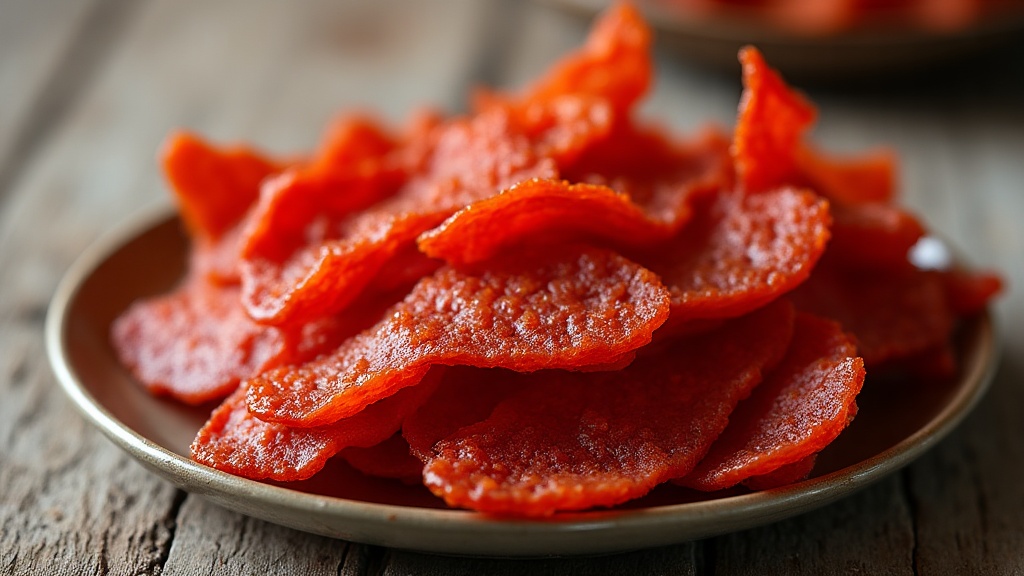
Ostrich Jerky Recipe: The Lean, Exotic Jerky Worth Trying
I’ll be honest—when I first heard about ostrich jerky, I thought it was a gimmick. Then I tried making a batch in my garage dehydrator, and it became one of my go-to recipes when I want to impress people without breaking the bank on exotic game meat.
Ostrich jerky is ridiculously lean, absorbs marinades beautifully, and has a texture that sits somewhere between beef and turkey—tender, not gamey, and easier on your wallet than you’d expect. If you can find ostrich at a specialty butcher or online, you’re about 6 hours away from some of the cleanest jerky you’ll ever make.
Why Ostrich Makes Excellent Jerky
Ostrich meat is 97% fat-free, which is leaner than chicken breast. That extreme leanness is exactly what you want for jerky—no fat means longer shelf life, no weird oxidation flavors, and meat that dries evenly without greasy spots.
The flavor is mild and slightly sweet, closer to beef than poultry, despite being a bird. It doesn’t taste “wild” or gamey like venison can. The grain structure is fine and tight, which means you get a tender chew without turning into shoe leather if you over-dry it by 20 minutes.
I’ve made over 400 batches of jerky in the last eight years, and ostrich consistently ranks in my top five for texture and how well it holds marinade flavor. The meat is dark red—looks like beef sirloin—and cuts cleanly even when partially frozen.
Sourcing Ostrich Meat
Most grocery stores don’t stock ostrich, but it’s not as rare as you’d think. Check these sources:
- Local butcher shops: Call ahead—many can special-order ostrich fan fillet or tenderloin with a few days’ notice.
- Online meat retailers: Fossil Farms, Exotic Meat Market, and other specialty suppliers ship frozen ostrich nationwide. You’ll pay $18-25 per pound, which is cheaper than elk or bison.
- Farmers markets: Some ostrich farms sell direct at regional markets, especially in the Southwest and Midwest.
For jerky, ask for fan fillet (the top round equivalent) or tenderloin if you’re feeling fancy. Avoid ground ostrich—you want whole muscle cuts you can slice into strips. Plan on 2 pounds of raw meat to yield about 8 ounces of finished jerky.
Ostrich vs. Other Jerky Meats
Here’s how ostrich stacks up against the usual jerky suspects based on my garage experiments:
| Meat | Fat Content | Flavor Profile | Texture | Price per lb |
|---|---|---|---|---|
| Ostrich | 3% fat | Mild, slightly sweet | Tender, fine grain | $18-25 |
| Beef (top round) | 8-12% fat | Rich, beefy | Chewy, coarse | $8-12 |
| Turkey breast | 1-2% fat | Poultry, bland | Dry, crumbly | $6-9 |
| Venison | 5-7% fat | Gamey, iron-forward | Dense, firm | $15-20 |
| Bison | 6-9% fat | Sweet, beefy | Tender-chewy | $20-28 |
Ostrich hits a sweet spot: leaner than beef, more flavorful than turkey, less expensive than bison. The texture is my favorite part—it doesn’t get tough or stringy even if you dry it to the point where it snaps.
My Go-To Ostrich Jerky Recipe
This is the marinade I’ve dialed in after four batches. It’s soy-forward with a hint of sweetness to balance ostrich’s natural mild flavor, plus enough black pepper to give it some bite.
Ingredients
For 2 pounds of ostrich meat:
- 2 lbs ostrich fan fillet or tenderloin
- ½ cup soy sauce (I use low-sodium so I can control the salt)
- ¼ cup Worcestershire sauce
- 3 tablespoons brown sugar
- 2 tablespoons apple cider vinegar
- 1 tablespoon coarsely ground black pepper
- 2 teaspoons garlic powder
- 1 teaspoon onion powder
- 1 teaspoon smoked paprika
- ½ teaspoon cayenne pepper (optional, for heat)
- ¼ teaspoon curing salt (Prague Powder #1)—optional but extends shelf life
Instructions
1. Prep the meat: Trim any visible fat or silverskin from the ostrich. Wrap it in plastic and freeze for 90 minutes until firm but not rock-solid—this makes slicing way easier.
2. Slice: Cut the ostrich against the grain into strips ⅛ to ¼ inch thick. Against the grain is key—ostrich has a noticeable grain like flank steak, and cutting perpendicular to it gives you tender jerky instead of chewy rubber bands.
3. Mix the marinade: Whisk together all the liquid and dry ingredients in a bowl until the sugar dissolves. Taste it—it should be salty, tangy, and slightly sweet. If it’s too salty, add a tablespoon of water or more vinegar.
4. Marinate: Put the ostrich strips in a gallon-size zip-top bag, pour in the marinade, squeeze out the air, and seal. Massage the bag to coat every strip. Refrigerate for 6-8 hours, flipping the bag every few hours. I usually start this in the evening and dehydrate the next morning.
5. Pat dry: Pull the strips out of the marinade and lay them on paper towels. Pat both sides dry—this removes excess liquid and speeds up drying time. Don’t rinse unless you want to reduce the salt.
6. Dehydrate: Arrange the strips on your dehydrator trays in a single layer, not touching. Set the temperature to 160°F. Ostrich dries faster than beef—start checking at 4 hours. You want it to bend and crack but not snap in half. My batches usually finish in 5-6 hours.
7. Cool and store: Let the jerky cool completely on a wire rack before packing. The texture firms up as it cools. Store in an airtight container or vacuum-seal bags. It’ll keep 2-3 weeks at room temperature, or months in the fridge.
Tips for Perfect Ostrich Jerky
Don’t over-dry it. Ostrich is so lean that there’s no fat buffer—if you dry it until it’s brittle, it’ll taste like cardboard. Pull it when it still has a slight give when you bend it.
Marinate longer than beef. Ostrich has less intramuscular fat to carry flavor, so it needs more time in the marinade to really soak up the seasonings. I go 8 hours minimum, sometimes overnight.
Use curing salt if you’re not refrigerating. That ¼ teaspoon of Prague Powder #1 isn’t mandatory, but it adds a safety margin against bacteria and keeps the color vibrant. You can find curing salt on Amazon for under $10.
Freeze the meat before slicing. Ostrich is softer than beef and can be slippery to cut. Partial freezing firms it up so you get clean, even slices. Use a sharp knife or a meat slicer if you have one.
Experiment with thickness. I like ¼-inch strips for a chewier jerky and ⅛-inch for something crispier. Ostrich is forgiving—both textures turn out good.
Flavor Variations I’ve Tested
The base recipe above is my favorite, but ostrich’s mild flavor makes it a blank canvas. Here are three variations I’ve documented:
Teriyaki-ginger: Swap the Worcestershire for rice vinegar, add 2 tablespoons honey and 1 tablespoon grated fresh ginger. Reduce soy sauce to ⅓ cup. This one’s slightly sweet and great for people who don’t like heavy pepper.
Spicy chipotle: Add 2 tablespoons adobo sauce from canned chipotles and 1 teaspoon cumin. Cut the brown sugar to 2 tablespoons. It’s smoky and has a slow burn that builds.
Maple-bourbon: Replace the brown sugar with 3 tablespoons real maple syrup and add 2 tablespoons bourbon (the alcohol cooks off during dehydration). Add ½ teaspoon ground mustard. This is my “fancy batch” for gifts.
Why Ostrich Jerky Costs More (But Not As Much As You Think)
Raw ostrich runs $18-25 per pound compared to $8-12 for beef top round. But remember: jerky loses about 60-70% of its weight during drying. That $5 bag of grocery-store jerky? It came from roughly $15-20 worth of beef by the time you factor in commercial pricing, processing, and packaging.
When you make ostrich jerky at home, you’re paying $18-25 per pound raw, yielding about 8 ounces of jerky per 2 pounds of meat. That’s roughly $2.25-3.15 per ounce of finished jerky. Commercial exotic jerky at Whole Foods runs $4-6 per ounce. You’re still saving money and getting a product with ingredients you control.
Plus, ostrich is a conversation starter. I’ve brought it to family cookouts and poker nights, and it always gets more attention than my standard beef batches.
Frequently Asked Questions
Does ostrich jerky taste like chicken?
Not really. Despite being poultry, ostrich tastes closer to beef—mild, slightly sweet, and definitely red meat in flavor. The texture is more like very lean beef sirloin than chicken. If you blindfolded someone, they’d probably guess venison or lean steak before they’d say chicken.
Is ostrich jerky healthier than beef jerky?
Yes, by the numbers. Ostrich is about 97% fat-free and higher in iron and protein per ounce than beef. It’s also lower in cholesterol. If you’re tracking macros or trying to keep fat intake down, ostrich jerky is one of the leanest options available. Just watch the sodium in the marinade—that’s where most of the salt comes from.
Can I use ground ostrich for jerky?
You can, but you’ll be making ground jerky, not strips. Mix the ground meat with your seasonings, roll it into thin sheets using a jerky gun or spread it on dehydrator trays, and dry at 160°F. The texture is more like a meat cracker than traditional jerky. I prefer whole muscle cuts, but ground ostrich is cheaper and works if that’s what you can find.
How long does ostrich jerky last?
In an airtight container at room temperature, it’ll keep 2-3 weeks. In the fridge, you can stretch that to 2-3 months. If you vacuum-seal it, even longer—I’ve eaten 6-month-old vacuum-sealed ostrich jerky that tasted fresh. The low fat content is a benefit here—no fat means no rancidity.
Where’s the best place to buy ostrich meat?
Online is easiest. Fossil Farms, Exotic Meat Market, and Marx Foods all ship frozen ostrich. Some Whole Foods locations carry it in the freezer section. If you have a local game meat or specialty butcher, call and ask—they can usually order it with a week’s notice. Farmers markets in ostrich-farming regions (Texas, California, parts of the Midwest) sometimes have it fresh.

