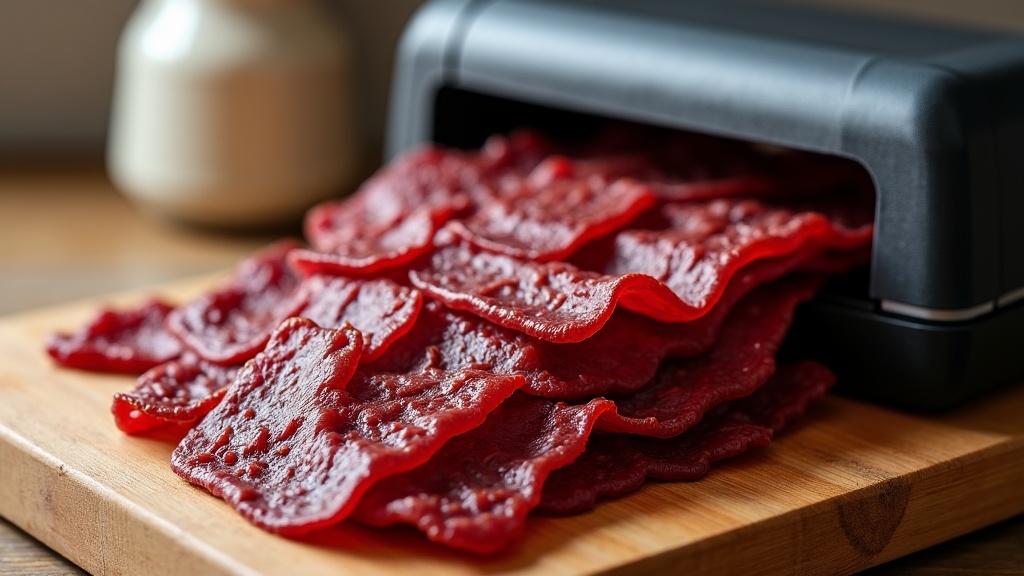
Best Food Vacuum Sealers for Jerky Makers: Preserve Your Batch Longer
After eight years of making jerky in my garage, I’ve learned the hard way that a good vacuum sealer isn’t optional—it’s the difference between jerky that stays perfect for months and a batch that goes stale in two weeks. The best vacuum sealer for jerky needs strong suction, can handle oil residue from marinades, and won’t quit on you after 50 bags.
I’ve gone through three different sealers since I started this hobby. The first one died after six months because I didn’t understand that jerky oil destroys cheap heat strips. The second worked great until the seal bar warped. Now I know what actually matters, and I’ll walk you through exactly what to look for.
Why Jerky Makers Need Vacuum Sealers
Homemade jerky doesn’t have the preservatives commercial brands use. Without vacuum sealing, your batch starts losing quality within days. Oxygen exposure leads to fat oxidation—that’s what causes the rancid taste and those white spots you sometimes see on improperly stored jerky.
I tested this myself. Same batch, three different storage methods: ziplock bags, regular food storage containers, and vacuum-sealed bags. The vacuum-sealed jerky tasted fresh at the three-month mark. The ziplock bag jerky was noticeably stale after three weeks. The container jerky fell somewhere in between but took up way more space in my pantry.
What Makes a Vacuum Sealer Good for Jerky
Not all vacuum sealers are built the same. Here’s what actually matters when you’re sealing batches of jerky multiple times a month:
Strong Suction Power
You need at least 80 kPa of suction to properly remove air from bags containing textured foods like jerky. Weaker units struggle with jerky pieces because the uneven surface creates air pockets. I’ve had budget sealers that would run for 30 seconds and still leave visible air around the meat.
Oil-Resistant Sealing Mechanism
This is where most cheap sealers fail. Teriyaki jerky, peppered jerky—they all have residual oils from the marinade. When that oil gets into the vacuum chamber or onto the seal bar, it compromises the seal. Look for models with drip trays or oil-resistant gaskets. I now wipe down the top of each bag before sealing, but a good machine should handle minor oil contact.
Wide Seal Bar
A seal bar that’s at least 11-12 inches wide lets you use standard quart and gallon bags efficiently. I typically portion my jerky into 4-ounce servings (perfect for my kids’ lunches), and I can fit two portions side by side in a gallon bag if the sealer can handle the width.
Decent Duty Cycle
Duty cycle is how long a sealer can run before it needs to cool down. Budget models might be 20 seconds on, 40 seconds off. When you’re sealing 15 bags from a big batch, that adds up fast. Commercial-grade units have better duty cycles, but even a good home model should handle 20-30 bags in a session without overheating.
Types of Vacuum Sealers for Home Jerky Making
External/Suction Sealers
These are the most common. You place the open end of a textured bag into the machine, it sucks out the air, then heat-seals it shut. They’re affordable and work fine for jerky as long as you get a quality model. I’ve used external sealers for six years with good results.
Pros: Affordable ($60-200), compact, easy to store, replacement bags are cheap
Cons: Can struggle with wet foods, require textured bags for proper suction, slower than chamber sealers
Chamber Vacuum Sealers
These put the entire bag inside a chamber, remove all the air from the chamber itself (not just the bag), then seal. They’re what commercial operations use. I’ve never owned one because they’re expensive and take up serious counter space, but if you’re making 20+ pounds of jerky a month, they’re worth considering.
Pros: Handle liquids perfectly, faster sealing, can use cheaper smooth bags, more durable
Cons: Expensive ($300-2000+), bulky, overkill for most home jerky makers
Best Vacuum Sealers for Jerky by Budget
| Price Range | Best For | Key Features | Watch Out For |
|---|---|---|---|
| Under $80 | Occasional jerky makers (1-2 batches/month) | Basic suction, manual seal, compact | Short duty cycle, seal bar may warp, limited warranty |
| $80-$150 | Regular jerky makers (weekly batches) | Stronger suction (85+ kPa), drip tray, pulse mode | Still plastic construction, may need replacing in 2-3 years |
| $150-$300 | Serious hobbyists, multi-purpose use | Metal construction, accessory port, marinate mode, built-in bag cutter | Larger footprint, bags can be pricey |
| $300+ | High-volume makers, small commercial operations | Chamber sealer or commercial-grade external, unlimited duty cycle, dual seal | Heavy, expensive, uses a lot of counter space |
Specific Models I Recommend
Best Budget Pick: Entry-Level External Sealers
For someone just getting into jerky making, a basic external vacuum sealer in the $60-80 range is a solid start. You’re not investing a fortune before you know if you’ll stick with the hobby. Just understand the limitations—plan to replace it in 18-24 months if you’re using it weekly.
I started with a budget model. It worked fine for my first year when I was making jerky once a month. Once I ramped up to weekly batches, it couldn’t keep up.
Best Mid-Range: The Sweet Spot for Regular Jerky Makers
This is where I live now. A automatic vacuum sealer with stainless construction in the $120-180 range gives you everything you need: strong suction, a drip tray to protect from marinade oils, and build quality that’ll last 4-5 years with regular use.
Look for models with a pulse function—this lets you control exactly how much air gets removed. Important for delicate jerky that might get crushed by full vacuum pressure.
Best High-End: For the Serious Jerky Maker
If you’re making 10+ pounds of jerky a month or you’re sealing other foods too (sous vide steaks, bulk meal prep), step up to a commercial-grade vacuum sealer. These are built for daily use, have powerful motors, and most include an accessory port for sealing jars or canisters.
I haven’t upgraded to this tier yet, but my buddy who makes jerky for his catering business has one. The difference is noticeable—faster cycles, perfect seals every time, and it’s been running strong for three years.
Key Features to Look For
Manual vs. Automatic Seal
Automatic sealers detect when the bag is in place and start the vacuum process. Manual models require you to press buttons. I prefer manual control because jerky can be fragile—if I see pieces getting crushed, I can stop the vacuum early. Automatic is more convenient for quick sealing sessions.
Pulse/Gentle Mode
This feature lets you vacuum in short bursts. Critical for preventing oil from getting sucked into the machine when you’re sealing jerky that’s still slightly tacky. I use pulse mode for all my teriyaki and honey-based recipes.
Accessory Port
Not essential for jerky, but if you want to vacuum-seal jars of rubs or marinades, you’ll need an accessory port. I use mine for storing my homemade spice blends—keeps them fresh way longer than regular jars.
Built-In Bag Cutter and Roll Storage
Convenience feature. Instead of buying pre-cut bags, you buy rolls and cut custom lengths. Saves money in the long run and reduces waste. My current sealer has this and I use it constantly.
Vacuum Sealer Bags: What You Need to Know
Textured bags are required for external sealers. The texture creates channels that allow air to escape. I buy 11-inch vacuum sealer bag rolls in bulk—way cheaper than pre-cut bags and I can customize the size.
For jerky, I typically use 8×12 inch bags for 4-6 ounce portions. Gallon-size bags (11×16) work for full-pound batches or when I’m gifting jerky to family.
Name Brand vs. Generic Bags
I’ve tested both extensively. Generic bags work fine if they’re BPA-free and at least 4-mil thick. Thinner bags can puncture on sharp jerky edges (peppered jerky is notorious for this). I’ve had good luck with generic BPA-free vacuum bags from Amazon—about 40% cheaper than name brand, same performance.
Maintenance Tips to Make Your Sealer Last
Here’s how I’ve kept my current sealer running perfectly for three years:
- Wipe the top of bags before sealing: Takes 5 seconds, prevents 90% of oil contamination issues
- Clean the drip tray after every session: Don’t let oil sit in there—it’ll eventually seep into the vacuum chamber
- Let it cool between batches: Even if your sealer doesn’t require it, giving it a 5-minute break every 20 bags extends motor life
- Replace gaskets annually: Cheap insurance. A worn gasket kills suction efficiency
- Store it clean and dry: Moisture in the chamber can cause mold. I leave mine open for 30 minutes after use to air out
Common Vacuum Sealing Mistakes with Jerky
I’ve made all of these errors. Learn from my mistakes:
Sealing jerky too soon: If jerky isn’t fully dried, residual moisture creates condensation in the bag. This leads to mold. I let my jerky rest for 30 minutes after dehydrating before sealing.
Overfilling bags: Leave at least 3-4 inches of space at the top. Crowded bags don’t seal properly and you waste the whole bag.
Not using pulse mode with oily jerky: Full vacuum pressure can suck marinade oil right into the machine. Always pulse when sealing teriyaki, Korean BBQ, or honey-based jerky.
Forgetting to label: Not a sealing mistake, but after six months in the freezer, all jerky looks the same. I write the flavor and date on the bag with a Sharpie before sealing.
How Long Does Vacuum-Sealed Jerky Last?
Properly dried and vacuum-sealed jerky stays good for:
- Room temperature (pantry): 2-3 months
- Refrigerated: 6-8 months
- Frozen: 12+ months
I’ve eaten 14-month-old frozen vacuum-sealed jerky that tasted as good as the day I made it. The key is complete dehydration before sealing and maintaining a solid vacuum seal.
Is a Vacuum Sealer Worth It for Jerky?
If you’re making more than one batch a month, absolutely. I calculated my cost per ounce with and without vacuum sealing. With vacuum sealing, my jerky costs about $2.20/oz including the bag cost. Without it, I was losing 15-20% of each batch to staleness, bringing my effective cost to $2.60/oz.
Plus there’s the convenience factor. I can make a massive batch when meat goes on sale, portion it out, and have fresh-tasting jerky for months. During hunting season, I’ll make 15 pounds at once—impossible to manage without proper vacuum sealing.
Frequently Asked Questions
Can you vacuum seal jerky while it’s still warm?
No. Always let jerky cool to room temperature first. Warm jerky creates condensation inside the bag, which promotes mold growth. I pull my jerky from the dehydrator, spread it on cooling racks, and wait at least 30 minutes before sealing. For thick-cut jerky, I wait a full hour.
Do I need special bags for vacuum sealing jerky?
If you’re using an external vacuum sealer (most home models), yes—you need textured/embossed bags. The texture creates air channels that allow the vacuum to remove air effectively. Smooth bags don’t work with external sealers but are fine for chamber sealers. For jerky specifically, I recommend at least 4-mil thickness to prevent punctures from sharp edges.
Can you reuse vacuum seal bags for jerky?
Technically yes, but I don’t recommend it. Jerky oils permeate the bag material, and washing doesn’t remove them completely. This can cause off-flavors if you reuse the bag for different jerky flavors. The bigger issue is bacteria—even thorough washing can leave contamination. Bags are cheap enough that reusing them isn’t worth the risk.
Why does my vacuum sealer keep losing suction?
Three most common causes: worn gasket, oil contamination on the seal bar, or a bad seal. Check the rubber gasket around the vacuum chamber—if it’s cracked or flattened, replace it. Clean the seal bar with rubbing alcohol to remove any oil residue. If you’re still having issues, the heating element might be failing and not creating a complete seal. Most sealers under $100 have this problem after 18-24 months of regular use.
Should I freeze vacuum-sealed jerky?
Depends on how long you plan to store it. For consumption within 2-3 months, pantry storage is fine. For longer storage, freezing extends shelf life significantly—I’ve had frozen vacuum-sealed jerky stay perfect for over a year. The vacuum seal prevents freezer burn, so there’s no quality loss. I keep a month’s supply in the pantry and freeze the rest.

