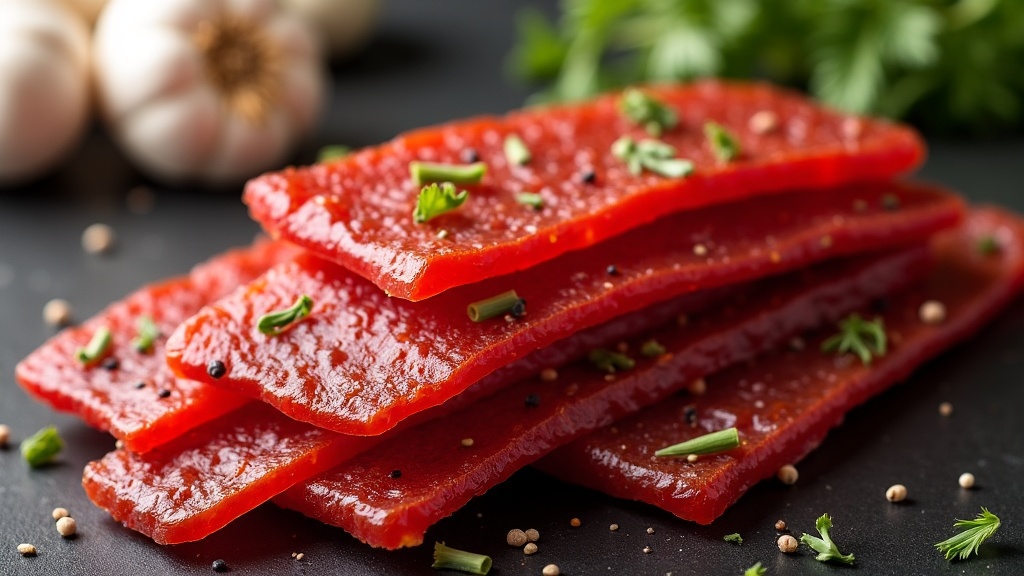
Pepper Beef Jerky Recipe: Classic Black Pepper and Garlic Marinade
After making over 400 batches of jerky in my garage, I keep coming back to this black pepper beef jerky recipe more than any other. It’s the flavor profile that got me hooked on making jerky in the first place — bold black pepper heat balanced with savory garlic, and it works every single time.
This isn’t some complicated recipe with 15 ingredients you don’t have in your pantry. It’s six core ingredients that deliver maximum flavor with minimal fuss. I’ve dialed in the ratios over hundreds of batches, and I’m going to walk you through exactly how to make it.
Why This Black Pepper Recipe Works
The magic is in the pepper-to-garlic ratio and the type of soy sauce you use. Too much pepper and it’s one-dimensional heat. Too little and you lose that signature bite. I settled on 2 tablespoons of coarse ground black pepper per pound of meat after batch #47 nearly took my head off with 3 tablespoons.
The garlic does more than add flavor — it creates depth that makes the pepper shine instead of just burning. And using low-sodium soy sauce instead of regular gives you control over the salt level, which matters when you’re dehydrating meat for 6+ hours.
The Recipe: Black Pepper and Garlic Jerky
This makes roughly 1 pound of finished jerky from 2.5 pounds of meat. Scale up as needed — I usually make triple batches because this stuff disappears fast.
Ingredients
- 2.5 lbs beef (eye of round, top round, or bottom round)
- 2/3 cup low-sodium soy sauce
- 1/4 cup Worcestershire sauce
- 2 tablespoons coarse ground black pepper (not fine powder)
- 1 tablespoon garlic powder (not garlic salt)
- 1 teaspoon onion powder
- 1 teaspoon red pepper flakes (optional, for extra heat)
Step-by-Step Instructions
1. Prep the meat: Trim all visible fat — fat goes rancid and ruins jerky. Slice against the grain in 1/4-inch thick strips. I partially freeze the meat for 1-2 hours first, makes slicing way easier. If you want chewier jerky, slice with the grain instead.
2. Make the marinade: Whisk together soy sauce, Worcestershire, black pepper, garlic powder, onion powder, and red pepper flakes in a large bowl or zip-top bag. I use a gallon freezer bag for easy cleanup.
3. Marinate: Add meat strips to marinade, squeeze out air, seal, and massage everything together. Refrigerate for 8-24 hours. I usually prep this at night and dehydrate the next morning. Flip the bag a few times during marinating.
4. Pat dry: Pull meat from marinade and pat each strip with paper towels. Excess liquid means longer drying time and potential stickiness.
5. Dehydrate: Arrange strips on dehydrator trays in single layer, no overlapping. Set to 160°F and run for 5-7 hours. Check at 5 hours — jerky should bend without breaking and show no moisture when you tear a piece. If using an oven, set to lowest temp (170-200°F) and prop door open slightly.
6. Cool and store: Let jerky cool completely before storing. I use vacuum seal bags for long-term storage, but zip-tops work fine for jerky you’ll eat within 2 weeks.
Equipment You Actually Need
You don’t need to drop $500 on gear. Here’s what matters:
| Equipment | Why It Matters | Budget Option |
|---|---|---|
| Food dehydrator | Consistent temp and airflow. Game changer vs. oven method. | Use oven at 170°F with door cracked |
| Sharp knife | Even slices = even drying. Dull knife = frustration. | Ask butcher to slice for you |
| Instant-read thermometer | Verify internal temp hits 160°F for safety. | N/A — borrow one or skip |
| Gallon zip-top bags | Easiest way to marinate without extra dishes. | Large mixing bowl works fine |
I started with a basic 5-tray dehydrator eight years ago and only upgraded to a 9-tray last year when I started making triple batches regularly.
Choosing Your Beef Cut
Not all beef works equally well for jerky. Here’s what I’ve learned from testing every cut:
Eye of round: My go-to. Lean, affordable, easy to slice uniformly. Texture is perfect — tender enough to chew comfortably but substantial. Usually $5-7/lb.
Top round (London broil): Also great, slightly more tender than eye of round. Sometimes easier to find on sale.
Bottom round: Works but can be tougher. Slice extra thin (closer to 3/16 inch) or marinate 24 hours.
Flank steak: Premium option with great flavor but costs 2x as much. Save it for special batches.
Avoid: Anything with significant marbling or fat (ribeye, chuck, brisket). Fat doesn’t dehydrate — it goes rancid and ruins your batch.
Black Pepper Variations I’ve Tested
After batch #112, I started logging every pepper variation. Here’s what actually changes the flavor:
Pepper Type Matters
Coarse ground black pepper: The standard. Visible pepper flakes, balanced heat, what I use 90% of the time.
Cracked black pepper: Bigger pieces, more aggressive bite. Use 1.5 tablespoons instead of 2 or it overpowers everything else.
Fine ground black pepper: Distributes more evenly but heat builds up differently — more of a slow burn than an immediate punch. Not my favorite for jerky.
Mixed peppercorn blend: I tried this at batch #201 using black, white, green, and pink peppercorns. Interesting complexity but honestly not worth the extra $6 for mixed peppercorns unless you’re making gift batches.
Heat Level Adjustments
- Mild: Use 1 tablespoon black pepper, skip red pepper flakes
- Medium (standard recipe): 2 tablespoons black pepper, 1 teaspoon red pepper flakes
- Hot: 2.5 tablespoons black pepper, 2 teaspoons red pepper flakes, add 1/2 teaspoon cayenne
- Extra hot: Add 1 tablespoon cracked black pepper on top of standard recipe after patting dry, before dehydrating
Common Mistakes and Fixes
Jerky too salty: You used regular soy sauce instead of low-sodium, or marinated longer than 24 hours. Fix: Rinse meat briefly under cold water after marinating, then pat very dry.
Too tough to chew: Sliced with the grain when you meant to go against it, or dehydrated too long. Fix: Slice against grain next time. For this batch, put tough jerky in zip-top with damp paper towel for 2 hours to rehydrate slightly.
Sticky or moist texture: Didn’t pat dry enough before dehydrating, or pulled it too early. Fix: Pat dry thoroughly. If already made, put back in dehydrator for another hour.
Not enough pepper flavor: Used fine ground instead of coarse, or didn’t mix marinade well. Fix: Add 1 tablespoon more pepper next batch. For this batch, nothing to do — learn for next time.
White residue on finished jerky: That’s salt crystallizing out. Totally safe, just looks weird. Usually means too much salt in marinade or uneven drying. Wipe off with paper towel if it bothers you.
Storage and Shelf Life
Properly dried and stored black pepper jerky lasts 1-2 months at room temperature, 6 months refrigerated, or up to a year frozen. The key is removing as much air as possible.
I vacuum seal mine in 4-ounce portions using a vacuum sealer. Keeps it fresh and makes it easy to grab a pack for camping or road trips.
If you don’t have a vacuum sealer, press all air out of zip-top bags before sealing. Store in cool, dark place. Once opened, eat within a week for best quality.
Frequently Asked Questions
Can I use pre-ground pepper from my pantry?
Yes, but fresh is better. Pre-ground pepper that’s been sitting for months loses its punch. I buy whole peppercorns and grind them in a coarse pepper grinder right before making marinade. You’ll taste the difference.
How long does black pepper beef jerky last?
If properly dehydrated and stored, 1-2 months at room temp in sealed container, 6 months refrigerated, or a year frozen. Mine never lasts more than 3 weeks because the kids destroy it, but I’ve tested storage extensively. The vacuum-sealed batches I forgot in the back of the pantry were still perfect at 10 weeks.
Can I make this without Worcestershire sauce?
You can, but you’ll lose some depth. Worcestershire adds umami and slight tang that balances the pepper heat. If you’re out, substitute with 2 tablespoons soy sauce + 1 tablespoon balsamic vinegar + 1/2 teaspoon fish sauce (if you have it). It’s not quite the same but gets you 80% there.
What if I don’t have a dehydrator?
Use your oven. Set to lowest temperature (ideally 160-170°F, but 200°F works). Arrange meat strips on wire racks over baking sheets. Prop oven door open 2-3 inches with wooden spoon for air circulation. Check every hour starting at hour 4. Takes 6-8 hours usually. Less efficient than a dehydrator but absolutely works.
Should I add liquid smoke?
Only if you like smoky flavor. I don’t use it in my standard black pepper recipe because I want the pepper and garlic to be the stars. But 1 teaspoon of liquid smoke adds nice depth if that’s your thing. Start with 1 teaspoon, not more — it’s concentrated.

