How Thick Should Jerky Be Sliced for Best Results?
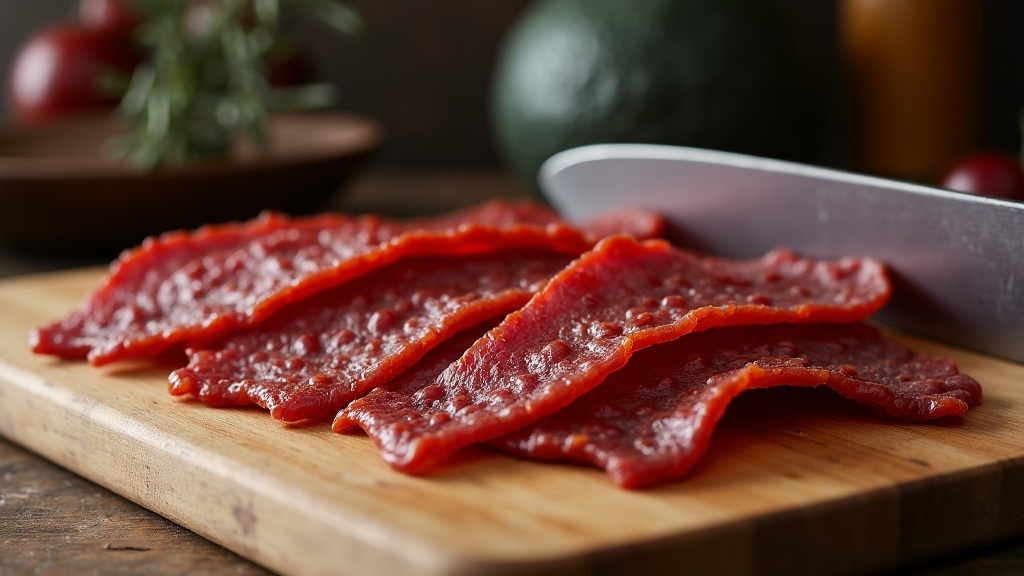
After 400+ batches in my garage jerky lab, I can tell you the sweet spot is ¼ inch thick. That’s about the thickness of a standard pencil or two stacked quarters. Go thinner and your jerky turns into brittle chips; go thicker and you’re either waiting forever for it to dry or biting into leathery, under-dehydrated strips that spoil in a week.
But here’s the thing — that ¼-inch rule isn’t universal. I’ve learned the hard way (through dozens of wasted batches) that your ideal thickness depends on your dehydrator, the cut of meat, whether you’re slicing with or against the grain, and honestly, personal preference. Let me break down everything I’ve figured out so you don’t have to ruin 50 pounds of beef like I did.
Why Thickness Matters More Than You Think
When I first started making jerky, I’d just eyeball the slicing. Some pieces were thick, some were thin, and the result was a dehydrator full of meat that dried at completely different rates. The thin stuff would be crispy and overdone while the thick pieces were still squishy in the middle. You can’t just pull out the done pieces every hour — that’s how you waste electricity and lose your mind.
Consistent thickness means consistent drying time. It also affects texture, chewiness, flavor concentration, and shelf life. Too thin and you lose that satisfying chew. Too thick and moisture gets trapped inside, which is a food safety nightmare.
The Thickness Breakdown: What Works When
Here’s what I’ve found works for different situations. This isn’t theory — this is what actually happens in my dehydrator.
| Thickness | Best For | Drying Time | Texture Result |
|---|---|---|---|
| ⅛ inch | Crispy snacks, people with dental work, kids | 3-4 hours | Crispy, brittle, snaps easily |
| ¼ inch | Traditional jerky, most cuts, general use | 5-7 hours | Chewy but not tough, flexible |
| ⅜ inch | Extra chewy jerky, steak-like texture | 8-10 hours | Very chewy, substantial bite |
| ½ inch+ | Biltong-style, specialized techniques | 12+ hours or air-dry | Risk of under-drying, not recommended |
What Changes the Ideal Thickness
Type of Meat
Beef round and flank steak can handle the full ¼ inch because they’re lean and dry evenly. Fattier cuts or pork need to be sliced thinner — maybe 3/16 inch — because fat doesn’t dehydrate the same way muscle does. I learned this when I tried making pork jerky at ¼ inch and ended up with greasy, spoilage-prone strips.
Poultry like turkey or chicken should also go thinner, around 3/16 inch, because the muscle structure is different and you need to hit safe internal temps during drying.
With the Grain vs. Against the Grain
This is huge. When you slice with the grain (parallel to the muscle fibers), you want that ¼-inch thickness. The jerky will be chewier and the fibers give it structure. When you slice against the grain (perpendicular to the fibers), you can go a bit thicker — up to ⅜ inch — because you’ve already shortened the fibers, making it easier to chew.
I do with-the-grain for traditional jerky and against-the-grain when I’m making batches for my kids or anyone who wants less jaw workout.
Your Dehydrator’s Power
Not all dehydrators are created equal. My old 4-tray Nesco took 8 hours to dry ¼-inch strips. My current 9-tray Excalibur with the fan and temperature control does it in 5-6 hours. If you’ve got a basic model with weak airflow, you might need to slice thinner to compensate.
Oven-drying? Definitely go thinner — ⅛ to 3/16 inch — because ovens don’t have the same consistent airflow and you’ll battle uneven drying.
How to Actually Get Consistent Slices
This is where most beginners struggle. Even with a sharp knife, it’s hard to cut consistent ¼-inch slices from a wobbly piece of meat. Here’s my system:
1. Partially Freeze the Meat
Stick your meat in the freezer for 1-2 hours before slicing. You want it firm but not rock-hard — the consistency of a cold stick of butter. This makes slicing 10x easier and way more consistent. I can’t stress this enough.
2. Use a Sharp Knife or a Slicer
A dull knife will tear the meat and give you ragged, uneven pieces. I use an electric meat slicer now, which was a game-changer. Set it to ¼ inch and every slice is identical. If you’re doing this regularly, it’s worth the $100-150 investment.
If you’re sticking with a knife, get a long slicing knife and use long, smooth strokes. No sawing motion.
3. Measure a Few Reference Slices
I keep a small ruler in my prep area. For the first few slices, I’ll measure them to make sure I’m hitting ¼ inch. After that, muscle memory takes over. You can also stack two quarters next to your cutting board as a visual reference.
Common Thickness Mistakes I See (and Made Myself)
Going Too Thin Because You’re Impatient
I get it — you want your jerky done fast. But ⅛-inch jerky isn’t jerky, it’s meat chips. There’s no satisfying chew. It’s fine for a crispy snack, but it’s not what most people expect when they bite into jerky.
Inconsistent Slicing
This was my biggest problem early on. I’d have a mix of ¼-inch and ⅜-inch pieces in the same batch. The thin ones would be done at hour 5, but I’d leave them in so the thick ones could catch up. Result? Half the batch was over-dried and tough.
Solution: Sort your slices. If you accidentally cut some thicker pieces, put them on a separate tray and pull the thinner ones out earlier.
Not Accounting for Shrinkage
Jerky shrinks during dehydration. A ¼-inch raw slice will end up around 3/16 inch when done. Don’t try to compensate by going thicker — just accept that your finished product will be a bit thinner than when you started.
Testing for Doneness (Not Just Guessing)
Thickness affects drying time, but time alone doesn’t tell you when jerky is done. Here’s my test: Pull out a piece, let it cool for 2-3 minutes, then bend it. It should crack and show white fibers, but not snap in half. If it bends without cracking, it needs more time. If it snaps like a cracker, you overdid it.
The texture should be leathery but pliable. There should be no moisture beads or squishy spots. When you tear a piece, the inside should look dry, not wet or glistening.
Storage Considerations by Thickness
Thinner jerky has less moisture content, which means longer shelf life — but also means it can get too dry and stale faster if not stored properly. I vacuum-seal all my jerky in vacuum seal bags regardless of thickness, but the thinner stuff I eat first because it loses its texture faster.
Thicker jerky (⅜ inch) has a bit more retained moisture, so it stays chewy longer but also has a slightly shorter shelf life if moisture wasn’t fully removed. If you’re making thick jerky, you need to be extra vigilant about the drying process.
My Personal Sweet Spot
After 8 years and way too many experiments, I stick with ¼ inch for 90% of my batches. It’s the Goldilocks thickness — not too thin, not too thick. It dries in a reasonable time (5-7 hours in my Excalibur), has great texture, stores well, and everyone who tries it says “yeah, that’s jerky.”
For my kids, I’ll do a tray or two at 3/16 inch, sliced against the grain. For myself and buddies who want the full chew experience, I’ll occasionally do ⅜ inch, with the grain.
Frequently Asked Questions
Can I mix different thicknesses in one batch?
Technically yes, but I don’t recommend it. They’ll dry at different rates and you’ll either over-dry the thin pieces or under-dry the thick ones. If you must mix them, put different thicknesses on separate trays so you can remove them independently.
Does marinating time change if I slice thicker or thinner?
Thinner slices absorb marinade faster. I do 4-6 hours for ⅛-inch slices, 6-12 hours for ¼-inch, and 12-24 hours for anything thicker. The thicker the slice, the longer you need to let the flavors penetrate.
What if I don’t have a meat slicer or a ruler?
Use the “two quarters” trick. Stack two quarters — that’s your ¼-inch guide. Keep them on your cutting board. For partial freezing, remember that firmer meat is way easier to slice evenly even without special tools. A sharp knife and patience will get you 80% of the way there.
How thick should ground meat jerky be?
Ground jerky is different. You’re pressing it into sheets, not slicing. I use a jerky gun or press mine to about ¼ inch thick on dehydrator sheets. Same principle — consistency is key.
Will thicker jerky be more flavorful?
Not necessarily. Flavor comes from your marinade and the concentration that happens during dehydration. Thicker jerky has more “meat” flavor per bite, but it doesn’t absorb marinade as deeply. I find ¼-inch hits the best balance of marinade penetration and meaty bite.

