I’ve ruined enough jerky batches in my garage to know where this topic goes sideways fast. Trade-show coverage can get slippery fast. Every booth demo looks like the future, every line looks faster than yours, and every sales pitch makes it sound like jerky makers are one robot away from easy money.
If you are trying to get a batch right without wasting good meat, What stood out at 2026 processing expos was not some magic machine. It was a pretty clear pattern: meat plants are spending on systems that cut repetitive labor, tighten verification, and make cleanup less painful. For a jerky shop, that matters most when it shows up as fewer handling steps, fewer sealing mistakes, and less time lost between flavor runs.
What Actually Showed Up on Expo Floors
The biggest 2026 events leaned hard into processing and packaging equipment, with IPPE alone reporting its largest trade show floor to date. Across expo coverage, the recurring themes were automation, hygienic design, inline inspection, and better line visibility instead of “buy one giant machine and solve everything.”
That is a more useful signal than it sounds. When equipment companies keep pushing washdown-friendly frames, vision systems, seal inspection, checkweighing, and smarter operator dashboards, they are responding to the same problems most meat businesses already have: labor gaps, rework, food safety pressure, and wasted time hunting down where a batch went sideways.
Why Jerky Makers Should Care
If you make jerky, snack sticks, or dried beef at a small or mid-size scale, the lesson is not to copy a giant protein plant. It is to pay attention to the parts of your process that are repetitive, easy to mess up, and expensive to check only at the end.
- Packaging-side automation is still the first place to look. Bag loading, weigh verification, labeling, coding, and case packing are easier to standardize than your slicing or seasoning steps.
- Inspection keeps moving toward “normal equipment” status. Metal detection, checkweighing, seal checks, and vision verification are no longer exotic add-ons for only the biggest processors.
- Cleanability is selling harder than flashy speed claims. Smooth contact surfaces, fewer trap points, quick-release parts, and easier guarding matter because sanitation downtime is real production time.
- Software is getting more useful when it helps operators catch drift early. Better line visibility can mean spotting giveaway, underfilled bags, coding errors, or backup points before they become a whole-day headache.
That last point is the one a lot of smaller brands miss. You do not need “AI” in the abstract. You need fewer surprises at pack-out and less guesswork about whether a run is staying inside spec.
Where I Would Spend Attention Before Money
Expo trends are only useful if they help you choose the next sensible upgrade. For most jerky operations, I would screen new equipment with a simple question: does this remove a daily bottleneck or just add another thing to babysit?
- Watch for right-sized end-of-line systems that combine weighing, sealing, coding, and verification instead of splitting those tasks across separate stations.
- Watch for sanitation-friendly retrofits such as conveyors, racks, or guarding changes that shorten cleanup between teriyaki, peppered, and sweet heat runs.
- Watch for semi-automated handling where presentation and consistency matter, especially if people are manually straightening strips or reworking bags all day.
- Watch for data tools that solve one specific problem well, such as traceability, reject tracking, or giveaway monitoring, instead of sprawling dashboards nobody checks.
The middle tier is usually where the smart buy lives. The full industrial version gets the attention on the expo floor, but the useful purchase is often the smaller module that saves one hour a day, catches one recurring defect, or lets one operator cover more of the line without chaos.
Bottom Line
The most relevant 2026 processing trend for jerky makers is not “more automation” by itself. It is more targeted automation around verification, sanitation, and pack-out.
- Expect more equipment aimed at reducing repetitive handoffs.
- Expect inspection and seal verification to keep moving downstream toward standard practice.
- Expect cleanability to stay a real buying criterion, not brochure filler.
- Expect the best upgrades to be the boring ones that reduce rework every single week.
If you are walking away from expo coverage with one practical takeaway, make it this: do not buy the machine that looks the most futuristic. Buy the upgrade that makes your jerky line easier to clean, easier to verify, and harder to screw up on a busy production day.
What Happened
The useful version of an event headline is simple: who gathered, what kind of barbecue ideas or products were emphasized, and why that matters beyond the weekend itself. That is the piece I care about more than hype.
What It Actually Means for Jerky Makers
For jerky makers, the value is usually in the repeatable lessons: meat handling, seasoning restraint, smoke balance, texture control, and gear habits that can scale down into a home batch. That is where event coverage becomes practical instead of decorative.
Where I Would Pay Attention
I would pay attention to ideas that keep repeating across cooks, judges, and vendors. When multiple people keep landing on the same texture or flavor lessons, those usually translate better to your own batches than one flashy technique from a single booth.
If you want to turn event inspiration into better home batches, I would compare jerky thermometers and jerky seasoning blends so you can test ideas in a controlled way instead of just guessing.
What I like about barbecue events is that they expose you to patterns you might miss cooking alone in the garage. You start hearing the same opinions about smoke balance, texture, tenderness, and seasoning restraint from multiple people who are all chasing consistent results. That overlap is often more useful than any one flashy booth or one dramatic winner story.
I also think events like this help jerky makers sharpen their palate. When you pay attention to bark, sweetness, salt balance, pepper finish, and how different meats hold moisture, you get better at diagnosing your own batches later. That is one reason I treat good event coverage as practical education, not filler.
The trick is translating those big-event ideas into home-scale habits. Usually that means cleaner slicing, tighter temperature control, more disciplined seasoning, and more patience during the finish. Those are not glamorous lessons, but they are the ones that actually improve homemade jerky.
What I Would Change on the Next Batch
When a batch does not quite hit the mark, I almost never start by reinventing everything. I look at the cut, slice thickness, marinade balance, and drying setup in that order, because those four variables explain most of the wins and failures I see in home jerky.
I also think the smartest home cooks keep notes on what the batch actually did, not just whether it tasted good in the moment. Texture after cooling, yield, cleanup, and next-day chew tell you more than the first warm bite off the tray.
That habit is what turns one decent batch into a repeatable method. It also keeps you from blaming the wrong variable and chasing fixes that do not actually solve the real problem.
How I Judge Whether a Method Is Worth Repeating
A method is worth repeating when it gives me predictable texture without babysitting every tray. If I need constant rescue moves to keep thick pieces from staying wet or thin pieces from turning brittle, that is not a method I trust no matter how good the first bite tastes.
I also care about cleanup and yield more than recipe pages usually do. A batch that tastes fine but leaves sticky racks, poor yield, and inconsistent chew is still a mediocre process in my book.
That is why I like simple, disciplined jerky workflows. Clean trim, even slices, controlled seasoning, and patient drying are boring compared to flashy marinades, but they are what make the batch dependable.
Once that part is dialed in, you can chase flavor variations all you want. Until then, the fastest improvement usually comes from process, not from adding more ingredients.
What I Would Watch Closely While This Batch Dries
When I am working with a marinade-sensitive batch, I pay close attention to how quickly the surface stops looking wet and how evenly the thinner pieces tighten up compared with the thicker ones. That early drying window tells me whether I nailed the slice thickness or whether the batch is heading toward mixed texture before it is even halfway done.
I also like checking whether the flavor concentration still feels balanced after a strip cools for a few minutes. A lot of jerky tastes fine warm and then gets noticeably saltier once it settles, which is one more reason I do not love dragging marination out longer than the meat really needs.
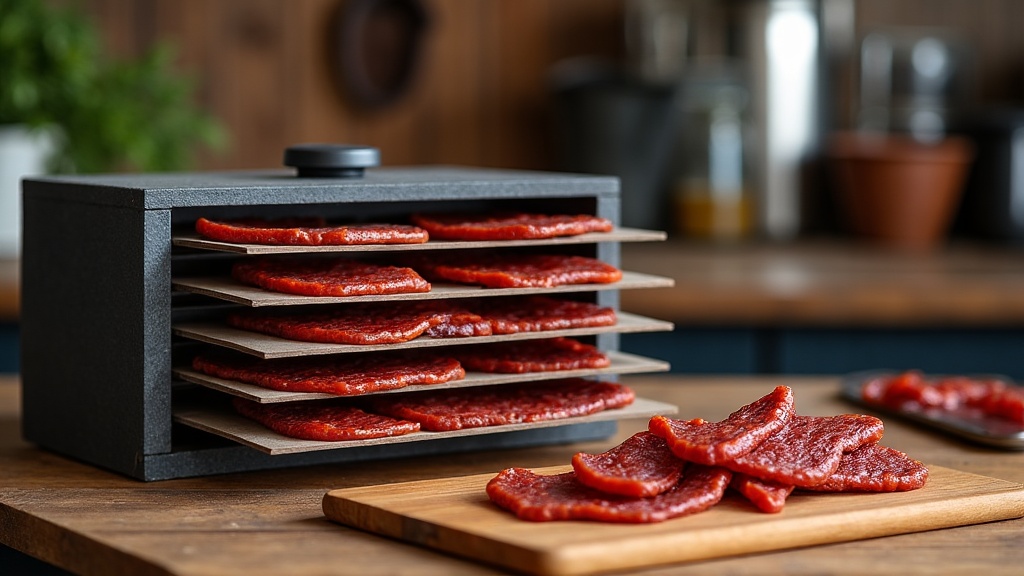
If I saw edges drying too fast while the centers still looked glossy, I would start rotating trays and planning a staggered finish instead of pretending every strip will be done at the same moment. That little adjustment saves more batches than any fancy marinade trick.
For home jerky makers, that is the bigger lesson: timing the marinade well gives you a much easier drying job afterward. Good prep does not guarantee a perfect batch, but it dramatically lowers the odds that you end up chasing texture problems for the last two hours.