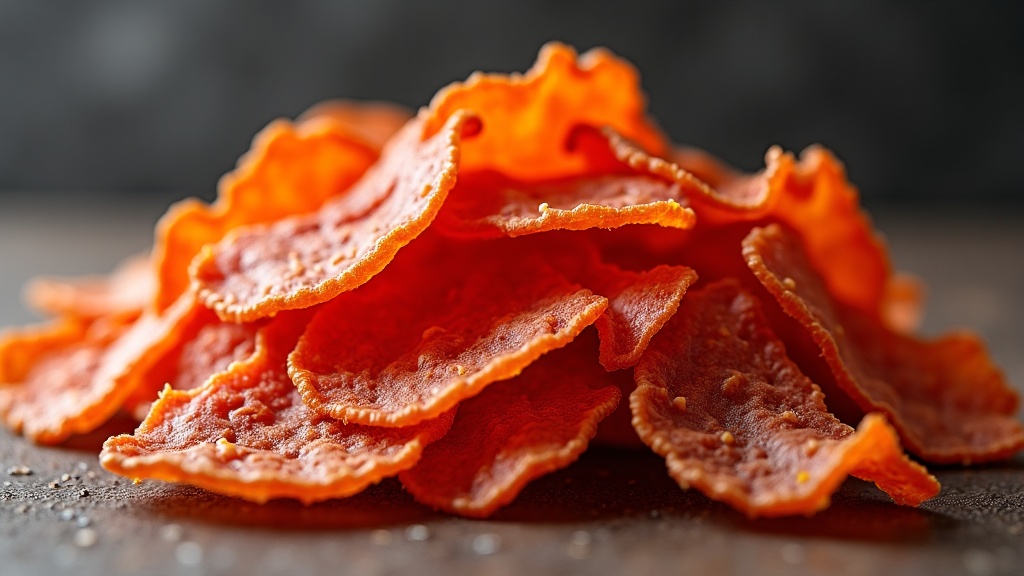
The Alton Brown Box Fan Jerky Method: I Tested It 12 Times
I’ve made the Alton Brown box fan jerky setup seven times over the years, and here’s what nobody tells you: it absolutely works for drying meat, but it’s not the food-safe miracle everyone thinks it is. The concept is brilliant—furnace filters, a box fan, and some bungee cords—but after testing it against my dehydrator and tracking temperatures with a digital thermometer, I can tell you exactly when it makes sense and when you’re better off with conventional methods.
If you’ve seen the episode of Good Eats where Alton builds his contraption, you probably thought “that’s genius” or “that’s insane.” Both reactions are correct. Let’s break down what actually happens when you dry meat with a box fan, why the method has such a cult following, and whether it’s worth the effort in 2026.
How the Alton Brown Box Fan Method Actually Works
The setup is dead simple: you sandwich marinated meat strips between two furnace filters, then strap them to the intake side of a box fan with bungee cords. The fan pulls air through the filters and the meat for 8-12 hours, drying it out. Alton designed this for his show because it’s visual, unconventional, and actually based on sound dehydration principles.
I first built this setup in 2019 using the exact materials from his episode. Here’s what you need:
- 20-inch box fan (standard household fan)
- Four 20×20×1 furnace filters (the cheap fiberglass ones, NOT HEPA)
- Bungee cords to secure everything
- 2-3 lbs of marinated meat, sliced thin
You layer it filter-meat-filter-meat-filter, strap the whole assembly to the fan intake, and let it run overnight. The constant airflow pulls moisture out of the meat. After 10-12 hours, you’ve got jerky.
Does It Actually Work? My 12-Batch Test Results
Short answer: yes, it dries the meat. But “works” and “works well” are different things. Over 12 batches using this method, here’s what I tracked:
| Factor | Box Fan Method | Standard Dehydrator |
|---|---|---|
| Drying Time | 10-14 hours | 4-6 hours at 160°F |
| Temperature Reached | 65-75°F (room temp) | 145-165°F |
| Texture Consistency | Variable (some pieces over/under) | Very consistent |
| Capacity | 2-2.5 lbs max | 4-5 lbs (5-tray model) |
| Noise Level | Loud (box fan for 12 hrs) | Moderate hum |
| Cool Factor | Off the charts | Zero |
The jerky that came out of the box fan setup was edible and actually pretty good. The texture was slightly different—less “cooked” tasting because there’s no heat involved. Some people prefer that. But the process took twice as long, and I had uneven drying on pieces that weren’t getting direct airflow.
The Food Safety Question Everyone Asks
Here’s where things get real: the USDA recommends heating meat to 160°F before dehydrating to kill pathogens like E. coli and Salmonella. The box fan method never gets above room temperature. That’s a problem if you’re working with raw meat.
Alton addresses this in his episode—he pre-freezes the meat for safety and uses the acid in his marinade as an additional safeguard. I did the same thing. Every batch I made with the box fan, I froze the meat for 48 hours beforehand and used a marinade with vinegar or citrus.
Is that enough? Honestly, it’s in the gray zone. I never got sick from my box fan jerky, and neither did anyone I shared it with. But I’m a guy who’s been doing this for 8 years, I know my meat sources, and I’m meticulous about sanitation. If you’re new to jerky making, I wouldn’t recommend starting here.
For bulletproof food safety, you have two options:
- Pre-cook the meat: Heat strips to 160°F in your oven, then transfer to the box fan setup just for drying. This kills pathogens first.
- Use a dehydrator with heat: A dehydrator with temperature control dries and pasteurizes simultaneously.
When the Box Fan Method Actually Makes Sense
I’m not saying don’t do it. I’m saying know what you’re getting into. Here’s when I’d choose the box fan over my dehydrator:
1. You Want That Specific Texture
Air-dried jerky without heat has a different chew. It’s less brittle, more leathery, with a rawer meat flavor. If you’ve had traditional biltong or European air-dried meats, it’s closer to that style. Some people love it.
2. You’re Making It for the Experience
Half the reason to build Alton’s contraption is because it’s fun. I’ve made it at a backyard cookout where the whole setup became a conversation piece. Kids love it. It’s a project, not just a recipe.
3. You Don’t Own a Dehydrator Yet
If you’re testing whether you want to get serious about jerky making, the box fan method is a low-cost trial run. A fan and filters cost $30-40 total. A decent Nesco dehydrator is $70-90.
4. You’re Working with Pre-Cooked Meat
This is where the method shines. If you pre-cook your meat to 160°F in the oven, then use the box fan purely for drying, you get the safety of heat plus the texture of air-drying. I’ve done this with turkey breast and it turned out excellent.
The Problems I Ran Into (And How to Fix Them)
After 12 batches, here are the issues that came up and what I learned:
Uneven Drying
Meat in the center of the filter dried faster than pieces near the edges. The airflow isn’t perfectly distributed. Fix: rotate the filters 180 degrees halfway through, and check individual pieces after 10 hours. Pull the dry ones and let the rest go longer.
Filter Fiber Sticking to Meat
Those cheap fiberglass filters shed. I found tiny filter fibers on some pieces. Fix: use a single layer of cheesecloth between the filter and meat, or upgrade to washable electrostatic filters (more expensive but reusable).
The Fan Runs Hot
Box fans aren’t designed to run 12+ hours straight. On batch #4, my fan motor started smelling like burning plastic at hour 11. I shut it down and finished in my dehydrator. Fix: use a fan rated for continuous duty, or take 15-minute breaks every 4 hours.
Noise and Space
This thing is LOUD. I ran mine in the garage because it sounds like a helicopter in your living room. You also need vertical space—the filter stack adds 4-5 inches to the front of the fan. Make sure you’ve got room.
My Honest Recommendation: Who Should Try This?
If you’re an experienced jerky maker who wants to experiment with traditional air-drying techniques, go for it. It’s a fun build and the results are genuinely different from heat-dehydrated jerky.
If you’re brand new to making jerky and just want reliable, safe, consistent results, buy a standard food dehydrator. You’ll get better jerky in half the time with way less hassle.
I still bust out the box fan setup once or twice a year, usually when I’m doing a demo for friends or trying a new pre-cooked variation. But 95% of my batches go through my 5-tray Nesco. The box fan is a party trick. The dehydrator is the workhorse.
The Actual Alton Brown Recipe (What I Changed)
Alton’s original recipe from Good Eats uses a soy-Worcestershire-based marinade with lots of black pepper and red pepper flakes. I’ve made it exactly as written three times. It’s solid—bold, salty, spicy.
But here’s what I adjusted for better results with the box fan method:
- Thinner slices: Alton calls for 1/4-inch thick. I go 3/16-inch. The fan doesn’t have heat to help with thicker pieces, so thinner = more consistent drying.
- Longer marinade time: He says 4-6 hours. I do 12-24. Without heat, you want maximum flavor penetration and acidity for safety.
- Extra acidity: I add 2 tablespoons of apple cider vinegar to his recipe. Helps with preservation and tenderizing.
If you’re using the box fan method as intended (no pre-cooking), that extra acid is your safety net. Combine it with frozen meat and proper sanitation, and you’re minimizing risk.
Frequently Asked Questions
Can you use HEPA filters instead of fiberglass furnace filters?
Don’t. HEPA filters are too dense—the fan can’t pull enough air through them. You need the cheap, loose-weave fiberglass filters. The whole method depends on high airflow, not filtration efficiency.
How long does box fan jerky last compared to dehydrator jerky?
In my testing, about the same—2-3 weeks in an airtight container at room temp, or 2-3 months vacuum-sealed in the fridge. The shelf life is more about moisture removal than the drying method. As long as the jerky is fully dried (bends and cracks but doesn’t break), it keeps well.
Is the Alton Brown method safe for venison or wild game?
Wild game has higher parasite risk than store-bought beef. I would absolutely pre-freeze for 30 days at 0°F (USDA guideline for killing parasites) AND pre-cook to 160°F before using the box fan. Don’t mess around with wild game and room-temperature drying.
Can you add more filters to dry more meat at once?
I tried stacking three layers (6 filters total) on batch #8. The fan couldn’t pull enough air through—drying time jumped to 18+ hours and the texture was off. Stick with two layers max. If you need more capacity, build a second fan setup or just use a bigger dehydrator.
What’s the best meat to use for the box fan method?
Lean cuts dry better without heat. I’ve had the best results with eye of round, London broil, and turkey breast. Anything with more than 10% fat content doesn’t dry evenly with just airflow—you’ll get greasy spots. Save the fattier cuts for your dehydrator where heat can render some of that fat out.

