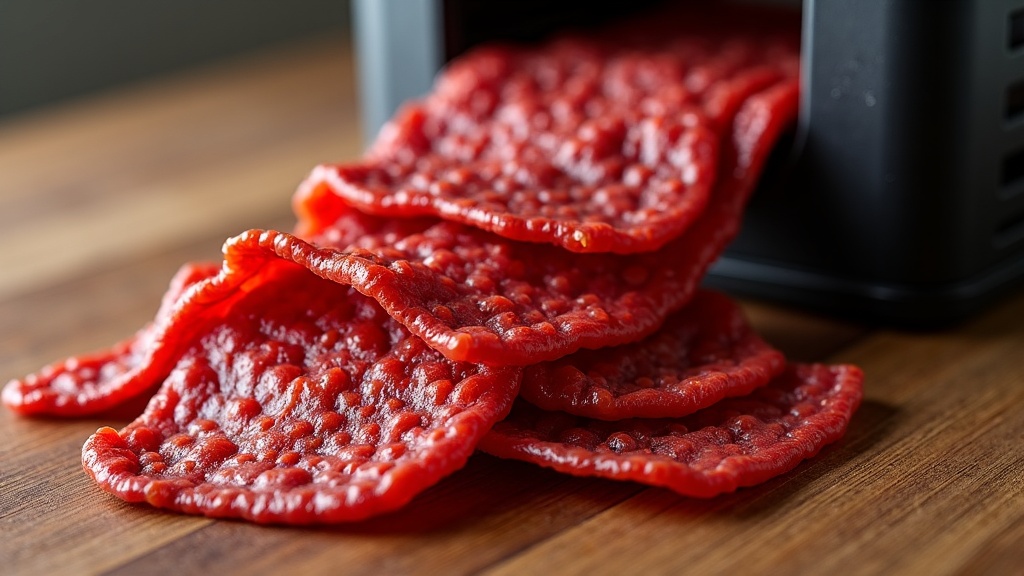
After testing five different jerky guns over 400+ batches in my garage setup, I can tell you this straight: the LEM Jerky Cannon handles ground meat better than anything else I’ve used. It’s not the cheapest option, but it’ll save you hours of frustration and wasted meat.
I started with a cheap plastic gun from a big-box store that cracked after three batches. Since then, I’ve gone through pistol-grip models, tube-style guns, and even tried piping bags. Here’s what actually works for ground jerky.
What Makes a Good Jerky Gun?
A jerky gun is basically a caulk gun for meat. You load seasoned ground meat into a cylinder, attach a flat nozzle, and extrude uniform strips onto dehydrator trays. The alternative is hand-forming strips or rolling and cutting, which takes forever and gives you inconsistent thickness.
The best jerky guns share three characteristics:
- Metal construction — Plastic cracks under the pressure of dense, cold ground meat
- Wide barrel diameter — At least 1.5 inches to handle fatty meat mixtures without clogging
- Ratcheting mechanism — Smooth, consistent pressure beats a trigger grip every time
I also look for guns that disassemble completely. You need to clean every crevice after each batch, and one-piece designs are a nightmare.
Best Jerky Gun Overall: LEM Jerky Cannon
The LEM Jerky Cannon costs more than basic models, but it’s built like actual equipment, not a toy. The aluminum barrel has a 1.5-pound capacity, and the ratcheting plunger gives you steady pressure without hand fatigue.
What sold me: it comes with both flat and round nozzles, plus a cleaning brush that actually reaches the barrel threads where meat loves to hide. The plunger seal is replaceable, which matters when you’re running batch after batch.
I’ve pushed everything through this gun — 90/10 beef, venison mixed with pork fat, even a turkey batch for my brother-in-law. Never jammed, never cracked. After 150+ batches, the only wear is some discoloration on the barrel from acidic marinades.
Budget Pick: Weston Jerky Gun
If you’re just starting out or only make jerky a few times a year, the Weston Jerky Gun does the job for half the price of the LEM. It’s got a smaller barrel (about 1 pound capacity), but the metal construction holds up fine.
The trigger mechanism is harder on your hand than a ratcheting plunger. After loading three or four trays, my hand needs a break. But for casual use, it’s a solid choice. Just clean it thoroughly — the nozzle attachment can trap meat particles if you’re not careful.
Jerky Gun Comparison Table
| Model | Capacity | Mechanism | Material | Best For |
|---|---|---|---|---|
| LEM Jerky Cannon | 1.5 lbs | Ratcheting plunger | Aluminum | Frequent use, large batches |
| Weston Jerky Gun | 1 lb | Trigger grip | Metal | Occasional batches, budget-conscious |
| Nesco Jerky Works | 1 lb | Trigger grip | Plastic/metal | Light use only |
| TSM Jerky Gun | 1.5 lbs | Ratcheting plunger | Stainless steel | Heavy-duty use, easy cleaning |
What About Plastic Jerky Guns?
Don’t bother. I learned this the expensive way with a cheap plastic jerky gun that cracked during my third batch. Ground meat straight from the fridge is dense and cold. Plastic barrels can’t handle the pressure, especially where the nozzle screws on.
The only exception might be if you’re doing a single small batch as a test. But even then, you’ll get frustrated with how hard it is to push the meat through. Metal guns glide by comparison.
Stainless Steel Option: TSM Jerky Gun
The TSM Jerky Gun is the premium choice if you want the easiest cleanup possible. Stainless steel doesn’t stain from marinades, and you can throw the whole thing in the dishwasher (though I still hand-wash mine).
It’s got the same 1.5-pound capacity and ratcheting mechanism as the LEM, but costs about 20% more. Is it worth it? If you’re making jerky weekly and hate scrubbing, yes. For most people, the LEM is the better value.
Nozzle Styles: Flat vs Round
Most guns come with at least one flat nozzle for making strips. The width varies — usually between 0.5 and 1 inch. I prefer the wider nozzle (around 3/4 inch) because it covers more tray area per squeeze.
Round nozzles make jerky sticks, which is great for snack sticks or if you’ve got a smoker. I use the round nozzle maybe 10% of the time. Kids love the stick format, but strips dry faster and more evenly in a dehydrator.
Some guns include multiple nozzle sizes. If you’re experimenting with different formats, get a gun with at least two options.
Tips for Using a Jerky Gun
Even the best gun won’t save you if you don’t prep your meat right. Here’s what I’ve learned:
Keep the Meat Cold
Mix your seasonings into the ground meat, then refrigerate for at least an hour before loading. Cold meat is firmer and easier to extrude. If your mixture is room temperature, it’ll squish and tear instead of forming clean strips.
Don’t Overfill the Barrel
Leave about an inch of space at the top. Overfilling creates air pockets that cause gaps in your strips. I learned this after wasting half a pound of venison on my fourth batch.
Oil the Nozzle
A light spray of cooking oil on the nozzle helps strips release cleanly onto the tray. Without it, meat sticks to the nozzle and you end up with uneven strips.
Clean Immediately
Don’t let meat residue dry in the barrel or threads. As soon as you’re done loading trays, disassemble the gun and rinse everything in hot water. Use a brush on the threads and inside the barrel. Dried meat is a pain to scrape out later.
Do You Really Need a Jerky Gun?
If you only make whole-muscle jerky (sliced flank steak, eye of round, etc.), no. Jerky guns are specifically for ground meat jerky.
But if you want to make ground jerky — which lets you control fat content, mix meats, and use cheaper cuts — a gun is the difference between a fun project and a tedious chore. I tried hand-forming strips for my first two batches. Never again.
The time savings alone justify the cost. I can load four dehydrator trays in about 10 minutes with a gun. Hand-forming the same amount took me 45 minutes and the strips were all different thicknesses, so some overcooked while others stayed chewy.
Where to Buy Jerky Guns
Most sporting goods stores carry at least one model, usually the Weston or a generic version. For the widest selection, check Amazon’s jerky gun selection. You’ll find everything from budget models to commercial-grade guns.
I also check online retailers that specialize in meat processing equipment. Sometimes they run sales on LEM or TSM models that beat Amazon’s pricing.
Frequently Asked Questions
Can you make jerky without a jerky gun?
Yes, but it’s tedious. You can hand-form ground meat into strips, use a rolling pin to flatten it between parchment paper and cut strips, or even use a piping bag. A gun is faster and gives you consistent thickness, which means even drying. For occasional batches, hand-forming works. For regular jerky making, get the gun.
What size jerky gun is best?
For home use, a 1 to 1.5-pound capacity gun is ideal. That’s enough for one full batch without being so large that it’s awkward to handle. If you’re making massive batches (5+ pounds at a time), look at commercial guns with 2+ pound barrels, but those are overkill for most people.
How do you clean a jerky gun?
Disassemble it completely right after use. Rinse all parts in hot water, then scrub the barrel, plunger, and nozzle with a brush and dish soap. Pay special attention to threads and the nozzle attachment point where meat gets trapped. Let everything air dry before reassembling. Some stainless models are dishwasher-safe, but I still hand-wash mine to avoid buildup in crevices.
Can you use a jerky gun for other foods?
Technically yes — I’ve seen people use them for cookie dough, mashed potatoes, even dog treat mixtures. But if you’re making jerky regularly, dedicate one gun to meat only. Flavors transfer, and cleaning isn’t perfect enough to guarantee your cookies won’t taste like teriyaki beef.
What’s the difference between a cheap and expensive jerky gun?
Material quality and durability. Cheap guns use plastic barrels that crack under pressure. Mid-range guns have metal construction but may use trigger grips that cause hand fatigue. Premium guns feature stainless steel, ratcheting mechanisms, larger capacities, and replaceable seals. If you make jerky more than a few times a year, spend the extra $20-30 for a metal gun with a ratcheting plunger. Your hands will thank you.

