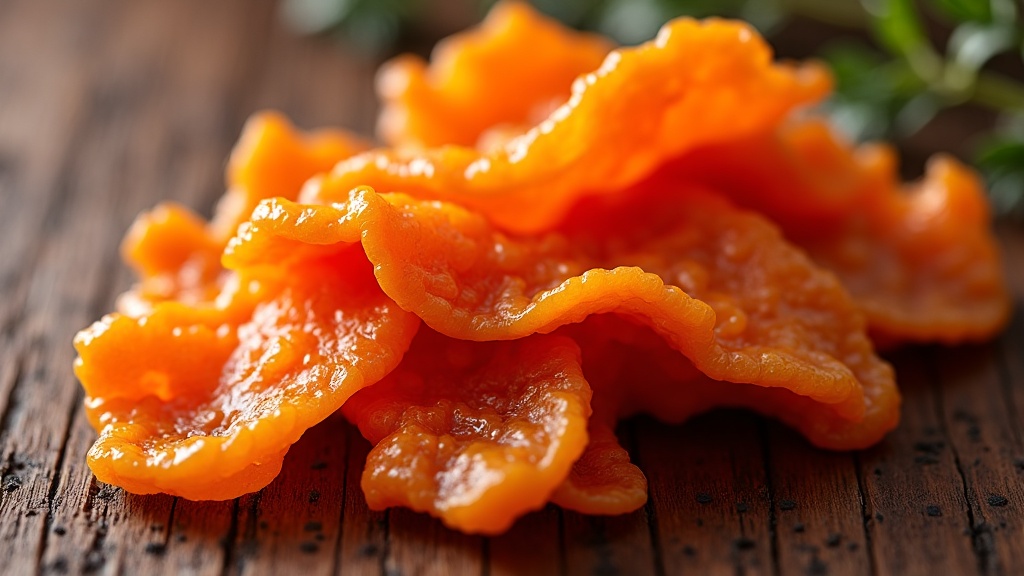
Chicken Jerky Recipe: Is It Safe? A Food Scientist’s Complete Guide
I’ve made over 400 batches of jerky in my Milwaukee garage, and here’s what I tell everyone who asks about chicken jerky: yes, it’s safe if you hit 165°F internal temperature and follow proper food handling. But chicken isn’t beef — mess up the temperature or storage, and you’re playing with salmonella. After 8 years of trial and error (including one memorable batch that went straight into the trash), I’ve dialed in a foolproof process.
Chicken jerky doesn’t get the same love as beef, but it’s leaner, takes marinade beautifully, and costs less. The catch? Poultry demands stricter temperature control and pre-cooking. Skip those steps, and you’re not making jerky — you’re making a biohazard. Let me walk you through exactly how to do this right.
Why Chicken Jerky Requires Different Safety Rules
Beef jerky has a buffer zone. With whole-muscle beef, most bacteria lives on the surface, so you can get away with lower drying temps if you’re careful. Chicken doesn’t work that way. Salmonella and Campylobacter can penetrate the muscle tissue, especially in ground or mechanically tenderized chicken.
The USDA’s stance is crystal clear: poultry must reach 165°F internal temperature to be safe. That’s non-negotiable. I learned this the hard way on batch #47 when I tried the same 145°F approach I use for beef. The texture was perfect, but my food thermometer and better judgment told me to toss it. Two pounds of marinated chicken breast straight into the garbage.
The Pre-Cook Requirement
Here’s where chicken jerky diverges completely from beef: you need to pre-cook chicken to 165°F before dehydrating. Some people try to skip this by cranking their dehydrator to max temp, but most home dehydrators can’t reliably hit 165°F throughout the meat, especially once you load multiple trays.
I pre-cook in one of two ways:
- Boil method: Drop marinated strips into boiling water for 10-12 minutes until internal temp hits 165°F. Quick, reliable, but you lose some marinade flavor to the water.
- Oven method: Bake marinated strips at 275°F for 15-18 minutes until 165°F throughout. Better flavor retention, more even cooking, but takes longer to heat up.
After pre-cooking, the dehydrator’s job is just to remove moisture — the safety work is already done.
My Go-To Chicken Jerky Recipe
This is the recipe I’ve made probably 60+ times. It’s adapted from a teriyaki base but with enough salt and acidity to keep things shelf-stable.
Ingredients
- 2 lbs boneless, skinless chicken breast (not thighs — too fatty for jerky)
- 1/2 cup soy sauce (low sodium works, but adjust salt below)
- 1/4 cup Worcestershire sauce
- 2 tbsp honey or brown sugar
- 2 tbsp apple cider vinegar
- 1 tbsp garlic powder
- 1 tbsp onion powder
- 1 tsp black pepper
- 1 tsp smoked paprika
- 1/2 tsp cayenne (optional, for heat)
- 1 tsp curing salt (Prague Powder #1) — optional but recommended for color and extra safety margin
Equipment You’ll Need
- Food dehydrator with temperature control — don’t cheap out on a fixed-temp model
- Instant-read meat thermometer — non-negotiable for chicken safety
- Vacuum sealer or ziplock bags for marinating
- Sharp knife or electric meat slicer
Step-by-Step Instructions
1. Prep the Chicken (30 minutes + 4-12 hour marinade)
Partially freeze the chicken breast for 1-2 hours — makes slicing way easier. You want it firm but not rock-solid. Slice against the grain into 1/4-inch thick strips. Thinner is better for chicken since we’re pre-cooking anyway.
Mix all marinade ingredients in a bowl. Add chicken strips to a gallon ziplock bag, pour marinade over, squeeze out air, seal. Refrigerate 4-12 hours. I usually do overnight.
2. Pre-Cook to 165°F (20 minutes)
This is the critical safety step. I use the oven method now after years of boiling:
- Preheat oven to 275°F
- Arrange marinated strips on a wire rack over a baking sheet (allows heat circulation)
- Bake 15-18 minutes, checking internal temp at the thickest part
- Pull when strips hit 165°F — use your thermometer on multiple pieces
The strips will look pale and cooked through. They’ll still be moist and floppy. That’s fine.
3. Dehydrate (4-6 hours)
Pat strips dry with paper towels to remove surface moisture. Arrange on dehydrator trays with space between each strip — don’t overlap.
Set dehydrator to 145°F. Since the chicken’s already cooked, we’re just drying now. Check at 4 hours. Chicken jerky should bend without breaking but show cracks on the surface when bent. It won’t be as pliable as beef jerky.
4. Final Safety Check
Break a piece in half. The inside should be dry with no moisture beads. If you see any wet spots, keep dehydrating. Chicken jerky errs on the side of “too dry” rather than “chewy.”
Chicken Jerky vs. Beef Jerky: Key Differences
| Factor | Chicken Jerky | Beef Jerky |
|---|---|---|
| Pre-cooking required? | Yes — must hit 165°F before dehydrating | No — can dehydrate raw if using proper temps |
| Final texture | Drier, less pliable, more brittle | Chewy, pliable, tears cleanly |
| Fat content | Very lean (1-3% fat in breast meat) | Higher fat (5-10% in lean cuts) |
| Shelf life | 1-2 weeks room temp, 1 month refrigerated | 2-3 weeks room temp, 2-3 months refrigerated |
| Cost per pound | $3-5 (chicken breast on sale) | $6-12 (depends on cut) |
| Pathogen risk | Higher (Salmonella, Campylobacter) | Lower (mainly surface bacteria) |
Common Chicken Jerky Mistakes (And How I’ve Screwed Up)
Mistake #1: Skipping the Pre-Cook
Batch #47, like I mentioned. I thought my Excalibur dehydrator at 160°F would handle it. Tested with a thermometer after 6 hours — interior was only 142°F. The outside looked done, but poultry doesn’t play games. Tossed the whole batch.
Fix: Always pre-cook. No shortcuts.
Mistake #2: Using Chicken Thighs
Thighs have more fat, which sounds good until you realize fat goes rancid during storage. Batch #89 tasted amazing fresh, but after a week at room temp, it had that off, greasy smell. Dark meat also doesn’t dehydrate as evenly.
Fix: Stick with breast meat. Trim any visible fat before slicing.
Mistake #3: Under-Drying
Chicken jerky should be drier than beef jerky. If it’s still pliable and moist, bacteria can grow even after pre-cooking. I pulled batch #112 too early because it “looked” done. Found white mold spots after 5 days in a ziplock.
Fix: When you think it’s done, give it another hour. Chicken jerky should crack slightly when bent, not bend smoothly.
Mistake #4: Not Enough Acid or Salt
Early batches used less soy sauce because I was worried about sodium. Chicken jerky doesn’t last as long as beef, so you need that salt and vinegar to inhibit bacterial growth post-dehydration.
Fix: Don’t skimp on marinade ingredients. That salt isn’t just for flavor — it’s preservation.
Storage and Shelf Life Reality Check
Here’s the truth about chicken jerky storage: it’s not beef. Even properly made chicken jerky has a shorter window.
Room temperature: 1-2 weeks max in an airtight container or ziplock with air squeezed out. I’ve pushed it to 3 weeks in winter when my garage is cool, but that’s risk-reward territory.
Refrigerated: 3-4 weeks in a sealed container. This is my go-to method. Keeps texture better than freezing.
Frozen: 4-6 months in vacuum-sealed bags. Texture gets a bit drier after thawing, but it’s safe and still tastes good.
Watch for warning signs: off smell (sour or ammonia-like), visible mold, or slimy texture. When in doubt, throw it out. Chicken isn’t the place to gamble.
Alternative: Ground Chicken Jerky
If slicing intimidates you or you want a different texture, ground chicken works great. Mix 2 lbs ground chicken (93/7 lean) with the same marinade above, spread on dehydrator trays lined with non-stick sheets, and dehydrate at 165°F until firm and dry (5-7 hours).
Ground chicken jerky has a more uniform texture, like a meat cracker. My kids actually prefer it because there’s no “stringy” bits. Same safety rules apply — use a thermometer to verify 165°F throughout.
Is Chicken Jerky Worth the Extra Effort?
Honest answer: it depends on what you value. If you’re used to beef jerky and expecting the same chewy texture and shelf life, you’ll be disappointed. Chicken jerky is drier, requires pre-cooking, and doesn’t keep as long.
But it’s also 40% cheaper per pound, way leaner (great for cutting), and takes on marinade flavors better than beef because of the lower fat content. I make it about once a month, usually when chicken breast goes on sale for $1.99/lb at Costco.
The safety requirements aren’t “extra work” if you’re already serious about food handling. Pre-cooking adds 20 minutes to your process. That’s it. In exchange, you get a high-protein snack that won’t spike your fat macros.
Frequently Asked Questions
Can you make chicken jerky without cooking it first?
Technically yes, but only if your dehydrator can maintain 165°F internal temperature throughout the meat for the entire drying process. Most home dehydrators can’t guarantee this, especially on loaded trays. Pre-cooking eliminates the guesswork and ensures safety. I’ve tested internal temps during dehydration, and they rarely exceed 155°F even at max dehydrator settings.
How long does homemade chicken jerky last?
Properly dried and stored chicken jerky lasts 1-2 weeks at room temperature, 3-4 weeks refrigerated, or 4-6 months frozen. Chicken jerky spoils faster than beef because of its higher moisture content and lower fat. Always store in airtight containers and watch for signs of spoilage like off-odors or mold.
Why is my chicken jerky so hard and brittle?
Chicken breast is extremely lean, so it dries harder than beef. If it’s too brittle, you may have over-dried it or sliced it too thin. Try 1/4-inch thick slices and check for doneness at 4 hours instead of waiting longer. You can also add a tiny bit of oil to your marinade (1-2 tsp) to help retain some flexibility, though this shortens shelf life.
Can I use chicken thighs instead of breast for jerky?
You can, but I don’t recommend it. Chicken thighs contain more fat, which goes rancid during storage and significantly shortens shelf life. The texture also doesn’t dehydrate as evenly. If you do use thighs, trim all visible fat and plan to eat the jerky within 5-7 days, keeping it refrigerated.
Do I need curing salt (Prague Powder #1) for chicken jerky?
Not required, but I use it. Curing salt adds a margin of safety against botulism (rare but serious), keeps the meat pink instead of gray, and extends shelf life slightly. Use 1 tsp per 5 lbs of meat — don’t exceed this amount. If you skip it, the jerky is still safe as long as you pre-cook to 165°F and dry thoroughly. Prague Powder #1 is widely available online.

