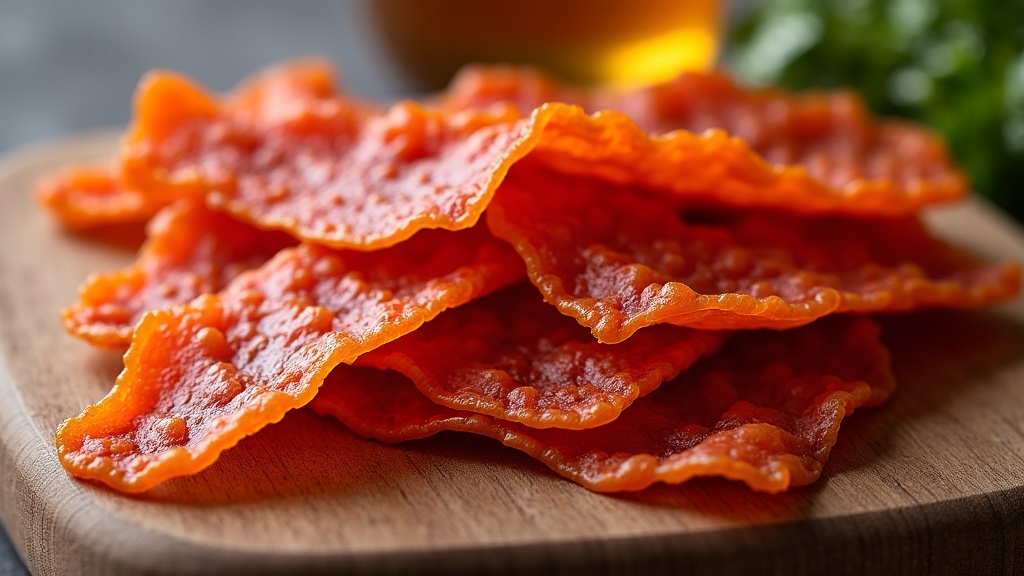
Duck and Goose Jerky Recipe: Waterfowl Jerky Done Right
Duck and goose make phenomenal jerky — dark, rich, intensely flavored meat that puts venison to shame. I’ve been converting my November duck limits into garage-dried jerky for six seasons now, and the only problem is it disappears too fast.
Waterfowl jerky requires a slightly different approach than beef or venison. The breast meat is lean but can turn gamey if you don’t handle it right. The key is aggressive trimming, a marinade that complements (not masks) the natural flavor, and slightly lower dehydrator temps to prevent case hardening on the fatty edges.
Why Waterfowl Makes Excellent Jerky
Duck and goose breast meat is naturally suited for jerky production. The muscle structure is dense and fine-grained, similar to beef flank steak. Wild waterfowl is extremely lean — ducks typically run 2-4% fat, geese even leaner at 1-3%. That’s ideal jerky territory.
The flavor profile is robust without being overwhelming. A good mallard breast tastes like a cross between beef and dark-meat chicken with mineral notes from its aquatic diet. Geese are milder but still substantial. Both hold marinades exceptionally well due to their fine muscle grain.
From a practical standpoint, jerky is the best use for waterfowl breast meat after you’ve had your fill of seared duck breast for dinner. A limit of four ducks yields roughly 1.5-2 pounds of breast meat — enough for a solid dehydrator batch.
Duck vs. Goose: What You Need to Know
I treat duck and goose somewhat differently based on their characteristics:
| Factor | Duck (Mallard/Teal) | Goose (Canada/Snow) |
|---|---|---|
| Breast Size | 3-6 oz per breast | 8-14 oz per breast |
| Flavor Intensity | Rich, mineral-forward | Milder, slightly sweet |
| Grain Direction | Short grain, easy to slice | Longer grain, slice thin |
| Marinade Time | 4-8 hours | 6-12 hours |
| Drying Time | 4-6 hours at 155°F | 5-7 hours at 155°F |
Teal are small but incredibly flavorful. Spoonies and divers can be stronger-tasting — not bad, just more assertive. Adjust your marinade accordingly with stronger spices or a touch more acid.
Field Care and Preparation
Jerky quality starts in the field. I breast out my ducks immediately after the hunt, rinse in cold water, and get them on ice within 30 minutes. Waterfowl can develop off-flavors quickly if they sit warm.
At home, inspect each breast carefully. Remove the skin entirely — it doesn’t dehydrate well and adds a waxy texture. Trim away all visible fat, especially the yellowish fat along the edges. This is non-negotiable. Waterfowl fat turns rancid fast and will ruin your jerky shelf life.
Look for any bloodshot areas (from pellet impact) and cut them out. Also remove the silverskin and any tendon material. You want pure, dark red muscle tissue.
Slicing Technique
Freeze the breasts for 45-60 minutes until firm but not rock-hard. This makes slicing dramatically easier. Duck breasts are small enough that you’ll slice with the grain for better texture. Goose breasts are large — slice across the grain for tenderness.
Target 1/8 to 3/16 inch thickness. Thinner than beef jerky because waterfowl is denser. A sharp meat slicing knife or electric meat slicer saves massive time if you process multiple limits.
My Go-To Duck Jerky Marinade
This recipe handles 2 pounds of sliced duck or goose breast (roughly 4-5 ducks or 1-2 geese):
- 1/2 cup soy sauce (not low-sodium)
- 1/4 cup Worcestershire sauce
- 3 tablespoons brown sugar
- 2 tablespoons apple cider vinegar
- 1 tablespoon black pepper, coarse ground
- 2 teaspoons garlic powder
- 1 teaspoon onion powder
- 1 teaspoon smoked paprika
- 1/2 teaspoon cayenne (optional, adds back-end heat)
- 1/4 teaspoon curing salt (Prague Powder #1)
Mix everything in a bowl until the sugar dissolves. Add sliced meat to a gallon ziplock bag, pour marinade over, squeeze out air, seal, and refrigerate. Flip the bag every few hours.
The curing salt is optional but recommended. It prevents bacterial growth during the slow drying process and gives the jerky a better color. Use Prague Powder #1 curing salt, not table salt. Quarter teaspoon per 2 pounds of meat is the safe ratio.
Marinade Variations That Work
Teriyaki-Ginger: Replace Worcestershire with teriyaki sauce, add 2 tablespoons fresh grated ginger and 1 tablespoon sesame oil. Excellent with mallards.
Cajun-Style: Add 2 teaspoons Cajun seasoning, 1 teaspoon liquid smoke, reduce brown sugar to 2 tablespoons. Matches well with diver ducks.
Maple-Bourbon: Use 3 tablespoons real maple syrup instead of brown sugar, add 2 tablespoons bourbon. My favorite for Canada goose.
Dehydrating Process
Remove meat from marinade and pat each piece semi-dry with paper towels. You want it damp, not dripping. Lay strips on dehydrator trays with space between pieces for airflow.
Set your food dehydrator to 155°F. This is 5-10 degrees lower than beef jerky temps. Waterfowl has occasional fatty edges that can case-harden at higher temps, sealing in moisture.
Drying time runs 4-7 hours depending on meat thickness and your dehydrator’s airflow. Start checking at 4 hours. Proper doneness: the meat should bend without breaking but show white stress fibers when you flex it. No moisture should bead up when you squeeze a piece.
Rotate trays every 90 minutes if your dehydrator doesn’t have a fan. Bottom trays always dry faster.
Oven Method (If You Don’t Have a Dehydrator)
Arrange strips on wire racks set over baking sheets. Prop oven door open 2-3 inches with a wooden spoon. Set oven to its lowest setting (170-200°F for most ovens).
Check every hour, rotate pans. Expect 5-8 hours total. The oven method works but wastes energy and requires more babysitting. If you process waterfowl regularly, a dedicated dehydrator pays for itself in one season.
Storage and Shelf Life
Let finished jerky cool to room temperature on the counter for 30 minutes. This prevents condensation when you bag it.
Store in airtight containers or vacuum-sealed bags. Properly made waterfowl jerky lasts 2-3 weeks at room temperature, 2 months refrigerated, or 6+ months frozen. I portion mine into single-serving bags and freeze most of it.
Because waterfowl is so lean, it doesn’t develop rancid fat taste like improperly trimmed venison jerky can. Your main enemy is moisture reabsorption. If jerky feels tacky or soft after a few days, it wasn’t dried enough. Toss it back in the dehydrator for another hour.
Add a food-safe silica gel packet to storage bags if you live somewhere humid. Cheap insurance against texture degradation.
Common Mistakes and How to Avoid Them
Leaving fat on the meat: Trim aggressively. That yellow fat around the breast edges will ruin your batch within days.
Over-marinating: Duck doesn’t need 24 hours like beef does. The fine grain absorbs marinade quickly. More than 12 hours and you start getting mushy texture.
Slicing too thick: Dense waterfowl meat needs thin slices. If your jerky is tough and chewy instead of tender-chewy, you sliced it too thick.
Drying too hot: High temps cause the outside to harden before the inside dries. Stick with 155°F maximum.
Inconsistent slice thickness: Thin pieces will over-dry and turn brittle while thick pieces stay underdone. Uniform thickness is critical for even drying.
Frequently Asked Questions
Can you make jerky from duck legs?
Technically yes, but it’s not worth the effort. Duck and goose legs are mostly tendons and connective tissue with small amounts of meat. They’re better suited for confit or slow-braising. Stick with breast meat for jerky — that’s where 90% of the usable meat is anyway.
Does wild duck jerky taste gamey?
It has a richer, more robust flavor than beef, but “gamey” is usually a result of poor field care or incomplete trimming. If you ice your birds quickly, remove all fat and skin, and use a balanced marinade, the result is distinctively delicious without being off-putting. My non-hunting friends request it specifically.
How many ducks do I need for a full dehydrator batch?
Plan on 4-6 mallard-sized ducks to yield 2 pounds of trimmed breast meat. That fills a standard 5-tray dehydrator. Smaller ducks like teal take 8-10 birds. One Canada goose produces roughly the same as 3-4 ducks.
Can I mix duck and goose in the same batch?
Absolutely. I do it all the time with my mixed-bag hunts. Slice them to similar thickness and they’ll dry at the same rate. The flavors complement each other well in a single marinade.
Do I need curing salt for waterfowl jerky?
It’s not legally required for home use, but I strongly recommend it. Curing salt (Prague Powder #1) prevents botulism during the slow-drying process and improves color retention. Use exactly 1/4 teaspoon per 2 pounds of meat — more is not better. You can find Instacure #1 pink curing salt at most sporting goods stores or online.

