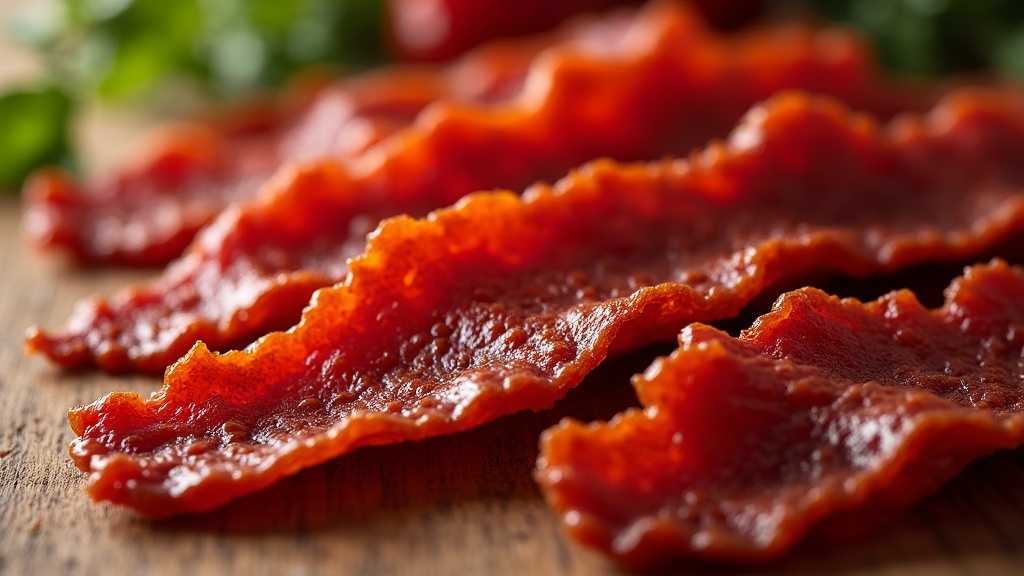
Jerky Dehydrating Temperature: Safe USDA Guidelines Explained
After eight years and 400+ batches, here’s what matters: the USDA says your jerky needs to reach 160°F for beef (165°F for poultry) to kill pathogens, then dehydrate at 130-140°F. Get the order wrong or skip the pre-heat step, and you’re gambling with E. coli and Salmonella—learned that the hard way in my second year.
Most home jerky makers get this backward. They throw raw marinated meat straight into the dehydrator at 160°F and think they’re done. Not how it works. Temperature matters, but so does the sequence.
Why Temperature Isn’t Just About Drying
My first serious batch—the one that sent my kid’s soccer team to the bathroom mid-game—taught me this lesson. I followed a recipe that said “dehydrate at 145°F for 6 hours.” Seemed reasonable. The jerky looked perfect, tasted great, and made seven families very unhappy.
The problem: bacteria like E. coli, Salmonella, and Listeria live on raw meat surfaces. As you slice and marinate, you spread them around. Dehydrating at low temps creates a warm, moist environment where these bugs actually thrive before the meat dries out enough to stop them. By the time your jerky is dry, the damage is done—the bacteria have produced heat-stable toxins that don’t care if you eventually hit 160°F.
The USDA Two-Step Method
After my soccer team incident, I spent a weekend reading USDA food safety guidelines. Here’s their recommendation, which I’ve followed religiously since batch 47:
Step 1: Pre-Heat the Meat
Before dehydrating, bring your marinated meat strips to a safe internal temperature:
- Beef, pork, lamb, venison: 160°F
- Poultry (chicken, turkey): 165°F
- Fish: 145°F
Three ways to do this:
- Boil or steam: Submerge strips in boiling marinade for 5 minutes, or steam them
- Oven roast: Spread on baking sheets, roast at 275°F until internal temp hits target
- Microwave: Works in a pinch—heat in marinade, check temps with an instant-read thermometer
I use the oven method 90% of the time. Takes about 10 minutes, and you can do multiple batches on different racks.
Step 2: Dehydrate at Lower Temperature
Once pre-heated, move strips to your dehydrator set at 130-140°F. At this point you’re just removing moisture, not fighting bacteria. The meat’s already safe; now you’re making it shelf-stable.
Target moisture level: bent strip should crack but not snap clean through. Usually takes 4-6 hours depending on thickness and your dehydrator’s airflow efficiency.
Single-Step High-Temp Dehydrating: Does It Work?
Some newer dehydrators marketed for jerky claim you can skip pre-heating if you start at 160°F for the first 2 hours, then drop to 140°F.
I’ve tested this method on 30+ batches. It can work, but there’s a critical catch: your meat needs to reach and hold 160°F within the first 2-3 hours. With a loaded dehydrator (I typically run 3-4 pounds per batch), that’s not guaranteed. Strips on lower racks or near the edges often sit at 130-145°F way too long—the danger zone where bacteria multiply fastest.
Temperature Method Comparison
| Method | Safety | Texture | My Take |
|---|---|---|---|
| USDA Two-Step (Pre-heat + 130-140°F) |
⭐⭐⭐⭐⭐ Guaranteed safe |
⭐⭐⭐⭐ Tender, flexible |
Gold standard. Extra step worth it. |
| High-Temp Start (160°F → 140°F) |
⭐⭐⭐ Risky if dehydrator uneven |
⭐⭐⭐ Can over-dry edges |
Convenient but needs good equipment. |
| Low-Temp Only (145°F throughout) |
⭐ Do not recommend |
⭐⭐⭐⭐⭐ Best texture |
Not worth the food poisoning risk. |
| Smoker Method (165-180°F with smoke) |
⭐⭐⭐⭐ Safe if temps verified |
⭐⭐⭐⭐⭐ Traditional, firm |
Great flavor, harder to control moisture. |
Equipment Temperature Accuracy: Trust But Verify
Here’s something nobody tells you: most dehydrator thermostats are wildly optimistic. I tested my first three units with an oven thermometer and found differences of 15-25°F between the dial setting and actual tray temperature.
My current setup uses two probes—one on the top tray, one on the bottom. When the dial says 140°F, my top tray sits at 145°F and bottom at 132°F. That matters.
Testing Your Dehydrator
Run it empty at your target temp for 30 minutes, then check with a reliable thermometer. Note the variance. If you’re more than 10°F off, either adjust your dial setting or consider upgrading to a digital temperature controller.
Time + Temperature: The Real Formula
Temperature alone doesn’t kill bacteria—you need sustained heat exposure. The USDA pathogen reduction guidelines are based on time/temperature combinations:
- 160°F: Instant kill (beef)
- 155°F: 15 seconds
- 150°F: 2 minutes
- 145°F: 10 minutes
This is why the pre-heat step is so effective—10 minutes in a 275°F oven guarantees your meat spends plenty of time above 160°F. Trying to achieve the same thing in a loaded dehydrator at 160°F is much less reliable because of uneven heating.
Common Temperature Mistakes I See Constantly
Running a garage jerky operation means neighbors, coworkers, and soccer parents constantly ask for advice. These are the mistakes that show up in 80% of “my jerky made someone sick” stories:
1. Starting Too Low, Finishing Too High
People set their dehydrator to 130°F overnight, wake up to soggy meat, then crank it to 165°F to “finish fast.” By then, bacteria have been partying for 8 hours. Temperature can’t fix time in the danger zone.
2. Trusting Recipe Temps Without Context
A recipe from 1985 might say “145°F for 8 hours.” Food safety guidelines have changed. Always pre-heat or verify that your specific method hits modern USDA standards.
3. Overloading the Dehydrator
More meat = worse airflow = uneven temperatures. I max out at 4 pounds per batch in my 9-tray unit. Anything more and the center strips don’t dry properly.
4. Skipping the Thermometer
Your dehydrator’s dial is a suggestion, not a measurement. I’ve been using the same dual-probe digital thermometer since batch 50. Cost me $25, saved me countless sketchy batches.
Oven and Smoker Temperature Considerations
Don’t have a dehydrator? Your oven or smoker can work, but temperature control gets trickier.
Oven Jerky
Most ovens don’t go below 170°F, which is too hot for ideal jerky texture—you’ll get cooked meat texture instead of dried. Workarounds:
- Prop the door open 2-3 inches with a wooden spoon for airflow
- Use convection setting if available (drops effective temp by ~25°F)
- Check every 30 minutes—oven jerky over-dries fast
Safety bonus: oven temps above 165°F handle the pathogen-kill step automatically. Just watch for over-cooking.
Smoker Jerky
Running a smoker at 165-180°F gives you safety and flavor. The challenge is moisture control—you need airflow to dry the meat, but too much smoke heat can cook it instead of dehydrating.
My approach: 2 hours with smoke at 170°F, then transfer to the dehydrator at 140°F to finish. Gets the smoke flavor without the texture compromise.
Altitude and Humidity Effects
Milwaukee sits around 600 feet elevation, so altitude isn’t my problem. But humidity is—summer batches in August take 2-3 hours longer than January batches because my dehydrator’s fighting 80% humidity instead of 30%.
High altitude (above 5,000 feet): water boils at lower temps, which means your pre-heat step might need longer to reach safe internal temps. Use a thermometer, not a timer.
High humidity: expect longer dry times, but don’t raise temperature to compensate. You’ll cook the outside and leave the inside moist.
Storage Temperature After Dehydrating
You hit 160°F, dried it perfectly, now what? Storage temperature matters for shelf life:
- Room temp (70°F): 1-2 months in airtight container
- Refrigerator (40°F): 6 months
- Freezer (0°F): 12+ months
I vacuum-seal batches in 1-pound bags using a vacuum sealer, then freeze anything I won’t eat within two weeks. Heat and oxygen are your enemies after the dehydrator—minimize both.
Frequently Asked Questions
Can I dehydrate jerky at 150°F the whole time?
Not safely, according to USDA guidelines. 150°F doesn’t kill bacteria fast enough during the first few hours when meat is still moist. You need either a pre-heat step to 160°F+ or a verified method that brings all meat to temp quickly. I’ve tested low-and-slow methods—texture is amazing, but three batches grew mold within a week, suggesting bacteria survived the process.
Does freezing meat before dehydrating kill bacteria?
No. Freezing puts bacteria to sleep; it doesn’t kill them. When you thaw the meat to marinate and slice, they wake up. You still need the heat-kill step. However, freezing before slicing makes it easier to cut uniform 1/4-inch strips—I freeze for 90 minutes, then slice semi-frozen.
My dehydrator only goes to 155°F. Is that enough?
For the dehydrating step, yes—130-140°F is actually ideal. But you must pre-heat the meat to 160°F using another method first (oven, steam, boiling). The dehydrator’s max temp doesn’t matter for the drying phase.
How do I know when jerky has reached 160°F internally?
Use an instant-read thermometer, but here’s the trick: jerky strips are thin, so it’s hard to get an accurate internal reading. That’s why the USDA recommends pre-heating in an environment where you can verify temp—like an oven where you can probe a thicker piece or check multiple strips. During dehydration, I trust that the pre-heat step already handled safety.
Can I use a home smoker’s “jerky setting” without pre-heating?
Depends on the smoker. If it runs at 165°F+ and you verify with a thermometer that all meat reaches that temp within 2-3 hours, yes. But most “jerky settings” run cooler (140-150°F) for texture reasons. Read your smoker’s manual—if it’s designed for pre-cooked sausages and jerky, it might be safe. If it’s designed for low-and-slow BBQ, pre-heat separately.

