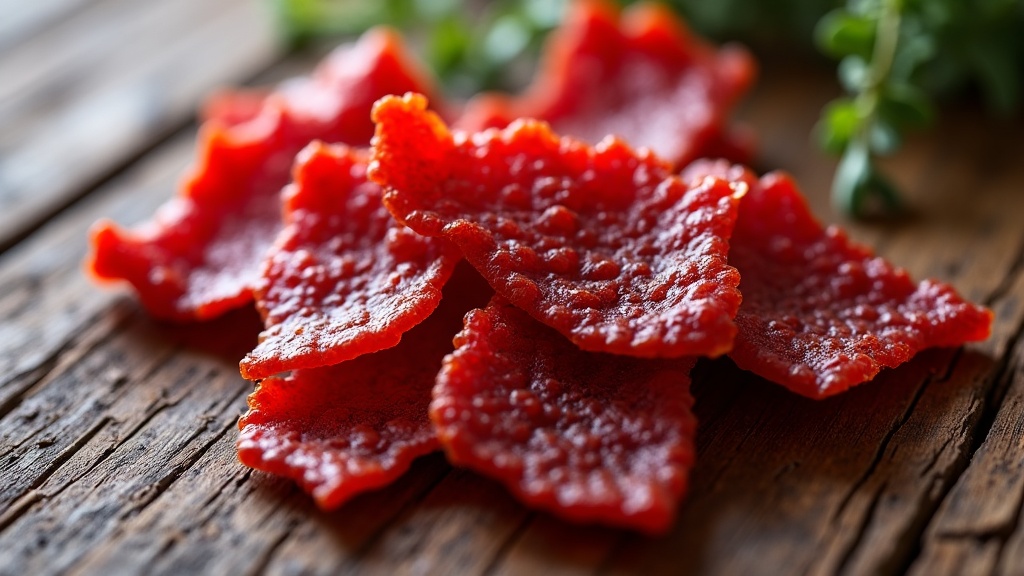
Jerky for Backpacking and Hiking: High-Protein Lightweight Trail Food Guide
After eight years of making jerky and taking it on dozens of backpacking trips with my kids, I can tell you this: jerky is damn near perfect trail food. It’s lightweight, calorie-dense, doesn’t need refrigeration, and gives you the protein your body needs when you’re covering miles with a pack on your back.
The problem is most people pack it wrong or buy the wrong kind. Let me walk you through what actually works when you’re three days into the backcountry and need food that performs.
Why Jerky Works for Backpacking
When you’re hauling gear uphill all day, every ounce matters. Jerky typically delivers 9-10 grams of protein per ounce with almost no water weight. Compare that to fresh meat at roughly 7 grams of protein per ounce plus all the water you’re carrying, and you see why dehydrated meat makes sense.
I’ve tested this on trips ranging from overnight camping with the kids to four-day treks in the Porcupine Mountains. Jerky stays good without refrigeration for weeks if you prep it right. No coolers, no ice packs, no worrying about food safety on day three when temperatures climb.
Protein Needs on the Trail
Your body burns through protein when you’re hiking with a loaded pack. Most nutritionists recommend around 0.5-0.7 grams of protein per pound of body weight for active people. For a 180-pound guy like me, that’s 90-125 grams per day on the trail. Four ounces of jerky gets you roughly 40 grams of protein—solid contribution without much pack weight.
Homemade vs Store-Bought: What to Pack
I make my own jerky, so you’d think I’d say homemade is always better. But for backpacking, it depends on your trip length and storage setup.
| Factor | Homemade Jerky | Commercial Jerky |
|---|---|---|
| Shelf Life | 1-2 weeks unrefrigerated (if fully dried) | 6-12 months (preservatives + vacuum seal) |
| Sodium Content | You control it (can make low-sodium) | Usually high (400-600mg per oz) |
| Customization | Complete control over flavor, thickness, ingredients | Limited to what’s available |
| Cost | $4-7 per pound finished weight | $16-30 per pound |
| Convenience | Requires planning ahead, 12-24 hours total time | Grab and go |
For trips under a week where I have time to prep, I pack homemade. For longer expeditions or last-minute trips, I grab bulk beef jerky packs and don’t overthink it.
Best Jerky Types for Backpacking
Beef Jerky
The standard for a reason. Beef jerky delivers the most protein per ounce and has a satisfying chew that makes it feel like real food after days of trail mix and energy bars. Go for lean cuts—round or sirloin—which dry thoroughly and store better. Fatty jerky can go rancid on longer trips.
Turkey and Chicken Jerky
Lighter flavor, slightly less protein than beef, but often easier on your digestive system. I’ve made turkey jerky for my kids when we’re doing multi-day trips because it’s less intense than beef and they eat more of it. The key is making sure poultry jerky is fully dried to 165°F during processing for safety.
Salmon and Fish Jerky
Omega-3s are a nice bonus on the trail, and salmon jerky is surprisingly good if you make it right. It’s richer than meat jerky, so a little goes a long way. I wouldn’t rely on it as my only protein source, but it adds variety on longer trips. Store it carefully—fish jerky picks up odors and can attract wildlife more than beef.
Ground Meat Jerky (Sticks)
Jerky sticks made from ground meat are easier to chew and pack densely. They’re my go-to when I know I’ll be eating on the move. The downside is they’re usually higher in fat, which shortens shelf life. Use them earlier in your trip.
How to Pack Jerky for Multi-Day Trips
Packaging matters more than most people think. I’ve had jerky go bad on day two because I threw it in a plastic bag without thinking about moisture.
Short Trips (1-3 Days)
Simple resealable bags work fine. I use quart-size freezer bags and squeeze out as much air as possible. Keep jerky separate from wet items in your pack. If you’re hiking in humid conditions, throw in a food-safe silica gel packet to absorb moisture.
Longer Trips (4+ Days)
Vacuum sealing is worth it. I portion out daily servings—usually 3-4 ounces per person—and vacuum seal each day separately. That way I’m only exposing one day’s worth to air and humidity at a time. If you don’t have a vacuum sealer, use a mylar bag with an oxygen absorber. It’s overkill for weekend trips but makes a difference on week-long expeditions.
Bear Country Considerations
Jerky smells like food because it is food. In bear country, store it in your bear canister or hang it with the rest of your food. Don’t keep it in your tent, ever. I learned this the hard way on a trip to the Boundary Waters when a raccoon tore through my pack at 2 AM.
Making Backpacking-Specific Jerky at Home
If you’re making your own, a few adjustments optimize jerky for the trail.
Dry It Completely
The biggest mistake is under-drying. Jerky for backpacking needs to be drier than what you’d eat at home. Bend a piece—it should crack slightly but not snap in half. Any moisture left in the meat reduces shelf life and invites bacteria. I run my dehydrator an extra hour beyond what I’d normally do for immediate consumption.
Salt Content
On the trail, you’re sweating out electrolytes. Don’t be afraid of salt in your jerky—it helps with hydration and preservation. I aim for about 2-3% salt by weight of the raw meat. That translates to roughly 600-800mg of sodium per ounce of finished jerky, which sounds high but you’re actually burning through sodium when you’re hiking hard.
Cut Thickness
Thinner slices (⅛ inch) dry faster and pack more compactly, but they’re harder to eat on the move. Thicker cuts (¼ inch) are more satisfying but take up more space. I compromise at 3/16 inch for backpacking jerky—thick enough to chew, thin enough to pack efficiently.
Flavor Profiles
After eight years of this, I’ve learned that teriyaki and sweet flavors attract more bugs and wildlife attention than savory or spicy flavors. For backpacking, I stick with black pepper, garlic, or chili-based marinades. They satisfy better on the trail anyway.
How Much Jerky to Pack
I plan for 2-4 ounces of jerky per person per day as part of a varied meal plan. That’s not your only food—you’ve got other protein sources, carbs, and fats—but jerky makes up a solid chunk of the protein. On a three-day trip for my family of five, that’s 30-60 ounces total, or about 2-4 pounds of jerky.
Weight matters less than you’d think because jerky pulls double duty as both a snack and part of actual meals. I’ve rehydrated jerky in hot water and added it to instant rice or noodles for a surprisingly decent trail dinner.
Store-Bought Options Worth Buying
When I’m not making my own, here’s what I look for:
- Low sugar content: Sugar attracts moisture and insects. Check the label—anything over 6-7 grams per serving is too sweet for backpacking.
- Minimal ingredients: Fewer preservatives means cleaner protein. Look for jerky where the first ingredient is meat, not soy protein or fillers.
- Texture: Avoid jerky that’s too soft or moist. It won’t last. The pieces should be firm and dry to the touch.
I’ve had good experiences with grass-fed beef jerky brands and low-sodium turkey options when buying commercial. They’re pricey, but the quality is consistent.
Eating Jerky on the Trail: Practical Tips
Chewing tough jerky when you’re dehydrated is miserable. I learned to soften jerky slightly by keeping a day’s portion in an accessible pocket where it warms up from body heat. Not enough to spoil it, but enough that it’s not like chewing leather when you’re five miles from camp.
Pair jerky with high-fat foods like nuts or cheese for better energy. Protein alone won’t keep you going—you need the calorie density of fat too. My usual trail snack is jerky, a handful of almonds, and some dried fruit.
Common Mistakes to Avoid
Packing Too Much Early in Your Trip: Don’t eat all your jerky in the first day because it’s satisfying. Space it out. I portion daily servings in separate bags so I’m not tempted to blow through my supply.
Storing in Direct Sunlight: Keep jerky in the middle of your pack, not strapped to the outside or in exterior pockets where the sun hits it. Heat degrades quality fast.
Ignoring Humidity: In wet climates, check your jerky every day. If it starts feeling tacky or soft, eat it sooner rather than later. Moisture is the enemy.
Frequently Asked Questions
How long does jerky last unrefrigerated on a backpacking trip?
Properly dried homemade jerky lasts 1-2 weeks unrefrigerated in moderate conditions. Commercial jerky with preservatives can last several months unopened, and about 1-2 weeks after opening if stored in a sealed container. Hot, humid conditions shorten these times. Always check for off smells or texture changes.
Can you rehydrate jerky for trail meals?
Yes. Pour boiling water over jerky and let it sit for 10-15 minutes. It won’t return to fresh meat texture, but it softens enough to mix into rice, pasta, or soup. I’ve done this dozens of times on multi-day trips. Use about one cup of water per 2 ounces of jerky.
Is jerky enough protein for backpacking, or do you need other sources?
Jerky alone isn’t enough for most people. It’s an excellent protein source, but you’ll want variety—nuts, nut butter, cheese, protein powder, or dehydrated beans round out your nutrition. I use jerky for 30-40% of my trail protein and supplement with other sources.
What’s the best way to keep jerky from getting hard as a rock on the trail?
Store it with a tiny amount of airflow rather than vacuum-sealed during the hike. A loosely closed bag in a cool part of your pack works better than a completely airtight container once you’ve opened it. The goal is to prevent moisture while not drying it out further. If it does get too hard, the rehydration method above works.
Should you make jerky differently for backpacking versus regular snacking?
Yes. For backpacking, dry it longer (until it cracks when bent), use more salt, and avoid sugary marinades. Cut it slightly thicker than snacking jerky so it’s easier to handle with dirty hands on the trail. Regular snacking jerky can be a bit moister and more tender—that’s fine for the fridge but not for a five-day trek.

