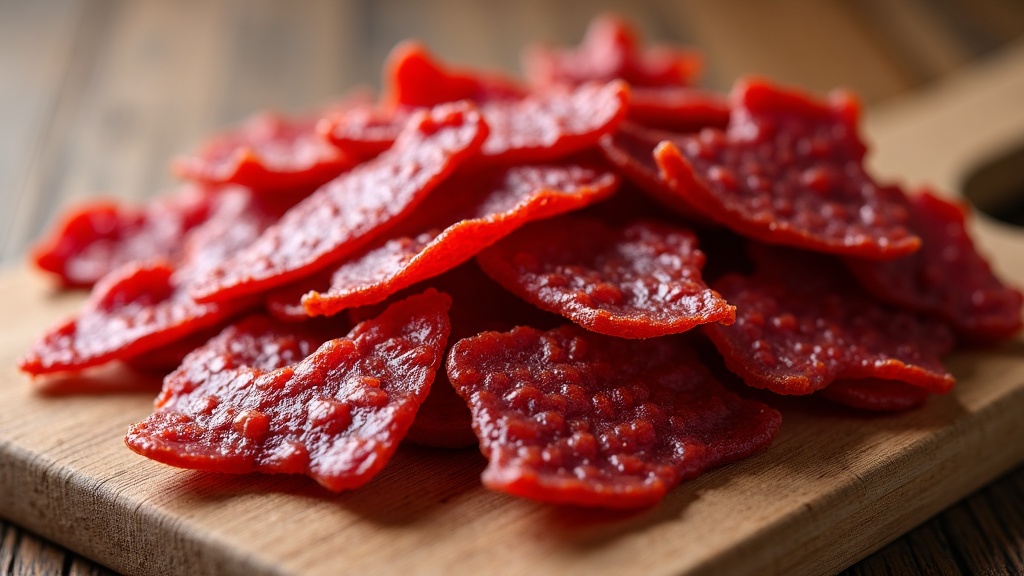
Low-Sodium Beef Jerky Recipe: Heart-Healthy Jerky Without the Salt Overload
I spent two years thinking low-sodium jerky meant flavorless cardboard. Then my doc mentioned my blood pressure at my last physical, and I got serious about cutting back on salt without sacrificing my jerky game. After 30+ batches of trial and error, I can tell you that great low-sodium jerky is absolutely possible — you just need to rethink how you build flavor.
Most store-bought jerky packs 500-700mg of sodium per ounce. My low-sodium recipe comes in around 150-200mg per ounce while still tasting like something you’d actually want to eat. The secret isn’t just reducing salt — it’s replacing it with layers of umami, acid, and strategic spice combinations that make your taste buds forget they’re missing anything.
Why Go Low-Sodium with Your Jerky?
The average American consumes about 3,400mg of sodium daily when the recommended limit is 2,300mg (1,500mg if you have high blood pressure). A single bag of commercial jerky can blow through half your daily allowance in one sitting.
I didn’t want to give up jerky entirely when my doctor started the blood pressure conversation. Instead, I learned to make versions that work with my health goals instead of against them. Low-sodium jerky makes sense if you’re:
- Managing high blood pressure or heart disease
- Watching overall sodium intake for kidney health
- On a doctor-recommended low-sodium diet
- Trying to reduce water retention and bloating
- Just wanting a healthier snack option that still delivers protein
The Low-Sodium Beef Jerky Recipe
This recipe makes about 12 ounces of finished jerky (roughly 2 pounds of raw meat before dehydration).
Ingredients
- 2 pounds flank steak, top round, or eye of round (trimmed of all visible fat)
- 3 tablespoons coconut aminos or low-sodium soy sauce
- 2 tablespoons Worcestershire sauce (regular has less sodium than you’d think)
- 2 tablespoons apple cider vinegar
- 1 tablespoon tomato paste
- 1 tablespoon brown sugar or honey
- 2 teaspoons onion powder
- 2 teaspoons garlic powder
- 1 teaspoon smoked paprika
- 1 teaspoon black pepper (freshly ground)
- ½ teaspoon ground cumin
- ½ teaspoon crushed red pepper flakes (adjust to taste)
- ¼ teaspoon fine sea salt or kosher salt (yes, we’re using some salt — just way less)
- ¼ teaspoon liquid smoke (optional, but adds depth)
Instructions
1. Prep the meat: Trim all visible fat from your beef. Fat doesn’t dehydrate well and causes rancidity. Partially freeze the meat for 60-90 minutes — this makes slicing way easier. Slice against the grain into ¼-inch thick strips. Consistent thickness matters more than you think for even drying.
2. Mix the marinade: Whisk together coconut aminos, Worcestershire sauce, vinegar, tomato paste, brown sugar, and all spices in a bowl. The tomato paste adds body and umami without extra sodium. Taste it — it should be bold and slightly too intense because flavors mellow during dehydration.
3. Marinate: Combine meat strips and marinade in a gallon-sized ziplock bag or covered container. Massage the marinade into the meat, squeeze out excess air, and refrigerate for 8-24 hours. I usually do 12 hours. Flip or massage the bag once halfway through.
4. Pat dry: Remove meat from marinade and pat each strip with paper towels. You want them moist but not dripping. Excess liquid extends drying time and creates uneven texture.
5. Dehydrate: Arrange strips on your dehydrator trays without overlapping. Set temperature to 160°F. Start checking at 4 hours. Jerky is done when it bends and cracks but doesn’t break in half. For me, it’s usually 5-6 hours depending on thickness and humidity.
6. Cool and store: Let jerky cool completely before storing. I pack mine in airtight containers or vacuum-sealed bags. Properly dried low-sodium jerky lasts 1-2 months at room temperature, 6 months refrigerated.
Building Flavor Without Salt: What Actually Works
Cutting salt means you need to compensate with other flavor builders. Here’s what I learned works after dozens of failed batches:
| Flavor Source | Why It Works | How to Use It |
|---|---|---|
| Coconut Aminos | 65% less sodium than soy sauce; adds umami and depth | Direct 1:1 replacement for soy sauce in any jerky recipe |
| Tomato Paste | High in natural glutamates (umami); adds body | 1-2 tablespoons per pound of meat |
| Acids (Vinegar/Citrus) | Brightness makes flavors pop; tenderizes meat | 2 tablespoons apple cider vinegar or lemon juice |
| Smoked Paprika | Adds complexity and perceived richness | 1-2 teaspoons; pairs with liquid smoke |
| Onion/Garlic Powder | Savory backbone without sodium | 2 teaspoons each; use powder not salt versions |
| Heat (Pepper/Chile) | Stimulates taste buds; distracts from missing salt | Start with ½ teaspoon red pepper flakes; adjust up |
Common Low-Sodium Jerky Mistakes I Made (So You Don’t Have To)
Mistake #1: Eliminating salt entirely. My first batch had zero salt. It tasted like cardboard soaked in weak tea. A small amount (¼ teaspoon per 2 pounds of meat) provides essential flavor foundation without spiking sodium too high. You’re reducing sodium by 70-80%, not eliminating it.
Mistake #2: Over-relying on sugar. When salt is low, it’s tempting to add more brown sugar or honey. I tried this. The jerky turned candy-sweet and still tasted flat. Keep sugar modest — 1 tablespoon per 2 pounds is plenty.
Mistake #3: Using low-sodium soy sauce concentrate. Some recipes call for reducing low-sodium soy sauce to concentrate flavors. This also concentrates the sodium. Stick with coconut aminos or use low-sodium soy sauce as-is in small amounts.
Mistake #4: Not compensating with acid. Acid (vinegar or citrus) is critical in low-sodium recipes. It brightens flavors and makes your palate less aware that salt is reduced. Don’t skip the apple cider vinegar.
Mistake #5: Skipping the rest period. Let finished jerky rest in a sealed container for 12-24 hours before eating. This redistributes remaining moisture and lets flavors meld. Low-sodium jerky especially benefits from this step.
Flavor Variations to Try
Once you’ve nailed the base recipe, experiment with these variations:
Asian-Inspired: Add 1 tablespoon rice vinegar, 1 teaspoon fresh grated ginger, ½ teaspoon Chinese five-spice powder. Replace brown sugar with honey.
Smoky BBQ: Increase smoked paprika to 2 teaspoons, add ½ teaspoon cumin, ½ teaspoon chipotle powder, and 1 teaspoon liquid smoke.
Herb & Pepper: Add 1 teaspoon dried thyme, 1 teaspoon dried rosemary (crushed), extra black pepper to taste. This one tastes more sophisticated than you’d expect.
Spicy Citrus: Add zest and juice of 1 lime, 1 teaspoon chipotle powder, ½ teaspoon cayenne. Cut the Worcestershire to 1 tablespoon to keep acid balanced.
Equipment Notes
You don’t need fancy equipment for low-sodium jerky, but a few tools make life easier:
A meat slicer ensures consistent thickness, which means even drying. I resisted buying one for three years. Now I can’t imagine making jerky without it. If you’re going the knife route, partially freeze your meat first.
For dehydrators, I’ve tested both stackable tray models and box-style units. Box-style with horizontal airflow (like Excalibur designs) dry more evenly, but stackable models work fine if you rotate trays every 2 hours.
If you’re making jerky in the oven, set it to the lowest temperature (170-200°F), crack the door a few inches, and expect longer drying times. Use a wire rack over a baking sheet to allow airflow on all sides.
Sodium Comparison: Store-Bought vs. Homemade Low-Sodium
Here’s what you’re actually saving:
- Typical store-bought jerky: 500-700mg sodium per 1 oz serving
- “Low-sodium” commercial brands: 280-350mg sodium per 1 oz serving
- This homemade recipe: 150-200mg sodium per 1 oz serving
For context, that means you could eat 3 ounces of this homemade jerky (450-600mg sodium) and still consume less sodium than 1 ounce of most store brands. The math matters when you’re actually watching your numbers.
Frequently Asked Questions
Can I use chicken or turkey instead of beef for low-sodium jerky?
Absolutely. Use boneless, skinless chicken breasts or turkey breast. The marinade works the same way. Just be extra careful about food safety — poultry needs to hit 165°F internal temperature before dehydrating. I pre-cook poultry strips in a 275°F oven for 10 minutes, then dehydrate at 160°F until dry. Poultry jerky has a different texture (more crumbly) but still works great for low-sodium snacking.
How much sodium is in a batch of this recipe?
The entire 2-pound batch (before dehydration) contains approximately 1,800-2,400mg of sodium depending on exact ingredients. After dehydration, you’ll have about 12 ounces of finished jerky, putting it at 150-200mg per ounce. Compare that to commercial jerky at 500-700mg per ounce. You’re cutting sodium by about 65-75%.
Does low-sodium jerky spoil faster than regular jerky?
Not if you dry it properly. Salt acts as a preservative, but the main preservation in jerky comes from removing moisture. As long as your jerky is dried to the right texture (bends and cracks but doesn’t snap), it’ll last just as long as higher-sodium versions. I’ve kept properly dried low-sodium jerky at room temperature for 6 weeks with no issues. Refrigeration extends that to several months.
Can I substitute the coconut aminos with something else?
Yes. Low-sodium soy sauce works (about 500mg sodium per tablespoon vs. 1,000mg for regular soy sauce). Liquid aminos are another option but check the sodium content — some brands are high. You could also use balsamic vinegar mixed with a bit of beef broth, though the flavor profile changes. Coconut aminos give the best soy sauce-like depth with the lowest sodium.
Why does my low-sodium jerky sometimes taste bland?
Usually one of three reasons: not enough acid, marinade time too short, or meat sliced too thick. Acid (vinegar or citrus) is critical for making flavors pop when salt is reduced. Marinate for at least 8 hours, preferably 12-24. And keep slices at ¼ inch thick so the marinade penetrates fully. If you’ve done all that and it’s still bland, bump up the garlic powder, onion powder, and add a bit more black pepper — these are your savory workhorses in low-sodium recipes.

