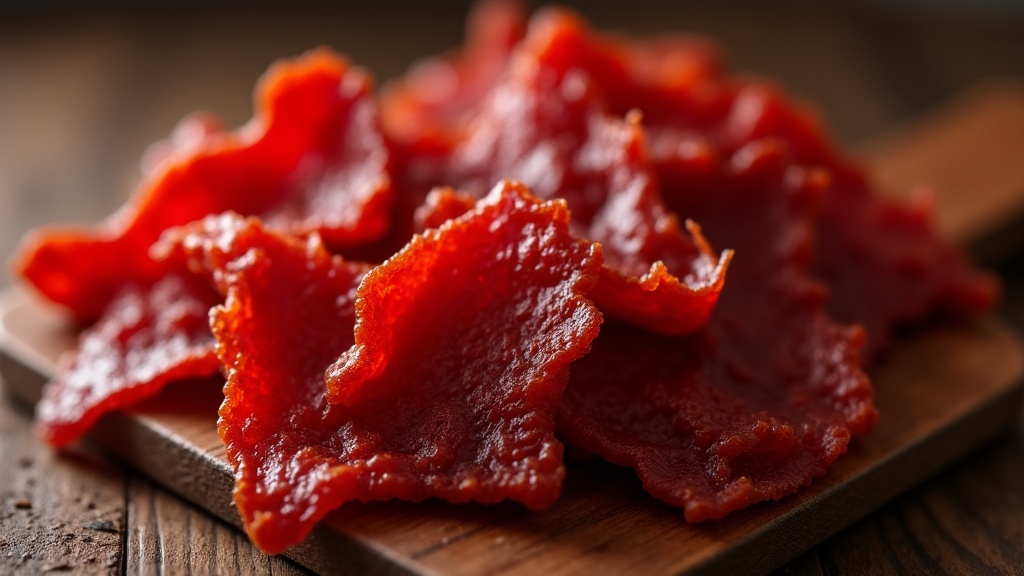
Yes, making your own jerky is usually worth it if you eat it regularly. After a few hundred batches, my short version is this: homemade jerky wins on cost, texture, ingredient control, and flavor variety. Store-bought still wins on convenience, shelf life, and zero cleanup. If you only grab a bag on road trips, just buy it. If you go through jerky every week, making your own is the better move.
My Quick Verdict
I think of this as a frequency question, not a purity question. People sometimes talk about homemade jerky like it is automatically better in every scenario. It is not. It is better for the person who actually uses the process. If you enjoy tinkering with marinades, already own a dehydrator, or care about sodium and sugar levels, homemade jerky is a slam dunk. If you want a protein snack right now and never want to think about slicing meat or sanitizing trays, store-bought exists for a reason.
Cost: Homemade Usually Wins by a Lot
The cost difference is the first thing most people notice once they run the math honestly. Premium store-bought jerky can get expensive fast, especially when the bag looks big but only holds a few ounces. Homemade jerky still is not cheap because beef is not cheap, but you are paying for meat, marinade ingredients, and electricity instead of branding, packaging, and retail markup.
For your own comparison, use the Yield & Cost Calculator to include trimming loss, estimated finished weight, ingredients, electricity, and packaging in your cost per finished ounce.
When I make a solid batch from eye of round or top round, I usually end up with a noticeably better cost per ounce than the premium bags hanging at gas stations and grocery stores. That gap gets even wider if you make jerky often enough to buy meat on sale and batch your prep. If you want a broader starter setup before doing the math, my jerky making starter kit guide covers the basic gear that actually matters.
Flavor and Texture: Homemade Has the Higher Ceiling
This is where homemade jerky really separates itself. Store-bought jerky has to be consistent, shelf-stable, and safe after sitting in distribution for a while. That pushes many brands toward a narrower texture band and a predictable salty-sweet profile. Some are genuinely good, but most are playing defense.
At home, you can decide whether you want pepper-forward, smoky, sweeter, lower sugar, softer chew, or dry old-school snap. You can cut thicker strips for a steakier bite or thinner strips for a faster dry and easier snack texture. You can also decide whether you want to use a dehydrator or smoke it; if you are torn on that, I broke down the tradeoffs in dehydrator vs smoker for jerky.
Ingredient Control Is the Biggest Practical Advantage
This is the part that matters most to a lot of regular jerky eaters. Homemade jerky lets you control the salt, sugar, heat level, cure, and marinades without guessing what a manufacturer did for shelf life. If you are trying to keep sodium lower, avoid certain preservatives, or test a specific flavor profile, homemade is just easier to trust because you watched it happen.
That does not mean homemade jerky is automatically healthier. Plenty of people turn a beautiful cut of beef into a sugar-bomb with a sticky marinade and then wonder why the batch tastes like teriyaki candy. But the important point is that you decide. That control is hard to put a price on if you care about macros or want a cleaner ingredient list than most mass-market bags offer. I talk more about the nutrition side in my protein breakdown on beef jerky.
Convenience: Store-Bought Still Crushes Homemade
Homemade jerky is not difficult, but it is absolutely more work. You need to buy the meat, trim it, slice it, marinate it, lay it out evenly, dry it properly, cool it, and store it safely. None of that is hard once you have a system, but it does take time and a little planning. Store-bought jerky requires one skill: opening a bag.
This is why I do not pretend homemade is the right answer for everyone. If you travel constantly, hate cleanup, or only eat jerky once in a while, buying a good brand makes total sense. Convenience has value. I just think a lot of regular jerky buyers underestimate how quickly a simple home workflow can replace the store run.
Batch Size and Waste Matter More Than People Expect
One hidden advantage of homemade jerky is that you can scale up or down. A test batch lets you try a new marinade without committing to a whole pile of mediocre jerky. A larger batch lets you use your dehydrator efficiently and stock up for the week. Store-bought forces you into whatever bag size the brand decided made sense for the shelf.
The flip side is that a bad homemade batch is your problem. If you oversalt it, overdry it, or use a cut with more fat than you realized, there is no customer-service number that fixes dinner. That is why I still recommend beginners start with a reliable process like my homemade beef jerky dehydrator guide before improvising too much.
When Store-Bought Is the Smarter Choice
- You only eat jerky occasionally. The savings from homemade are not meaningful if you make one batch every few months.
- You need long shelf life. Commercial packaging and water activity controls are built for that.
- You are short on time. A good bag today beats a hypothetical batch you never make.
- You have no interest in kitchen projects. Homemade jerky rewards the person who likes dialing things in.
When Homemade Is the Smarter Choice
- You eat jerky weekly. That is where the equipment cost gets paid back quickly.
- You want better flavor variety. Homemade gives you far more range than the average shelf selection.
- You care about ingredients. Sodium, sugar, cure, spice, and texture are all under your control.
- You already own a dehydrator. At that point, the barrier is mostly habit.
My Honest Recommendation
If you are jerky-curious but not yet committed, buy one or two higher-quality brands and pay attention to what you actually like: sweeter or drier, soft chew or firmer chew, smoky or simple. Then make a small homemade batch designed around those preferences. That gives you a fair comparison instead of the usual fake comparison between great homemade jerky and mediocre convenience-store jerky.
My personal bias is obvious: I would rather spend part of a Sunday making a batch I actually want than keep paying premium prices for something close-enough. But I am also a guy with a garage jerky habit. If that does not sound fun to you, buying store-bought is not a moral failure. It is just a different tradeoff.
FAQ
Is homemade jerky cheaper than store-bought?
Usually yes, especially compared with premium jerky brands. The savings get more obvious if you make jerky regularly and buy lean beef on sale.
Does homemade jerky taste better?
It can taste much better because you control the marinade and drying point, but only if you use a solid process. A sloppy batch can easily taste worse than a decent commercial bag.
Do you need a dehydrator to make homemade jerky?
No, but it makes the process easier and more repeatable. Ovens work, and smokers work too, but a dehydrator is the easiest tool for consistent batches.
Is store-bought jerky healthier?
Not necessarily. Some brands are fine, but many are higher in sodium or sugar than people expect. Homemade lets you tailor the ingredient list to your own priorities.