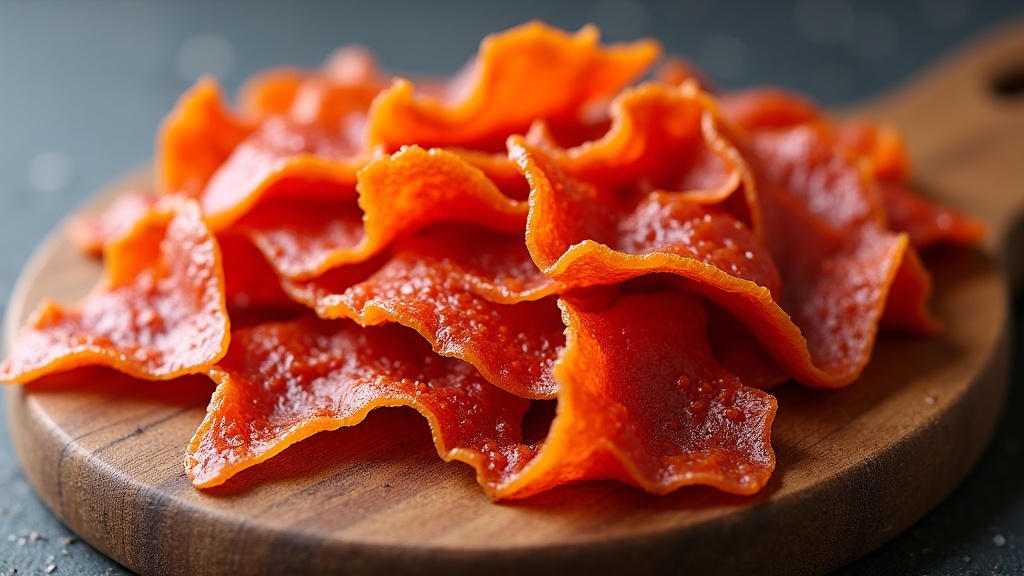
After making jerky for eight years and running over 400 batches through both setups, I can tell you straight: dehydrators give you more consistent results and better texture, while smokers add flavor you can’t replicate any other way. The choice depends on whether you value reliability or taste complexity more.
I’ve ruined plenty of batches learning this lesson. Let me walk you through what actually matters when you’re deciding between these two methods.
Temperature Control: Where Dehydrators Win
Temperature consistency is everything in jerky making. Dehydrators like the NESCO FD-75A hold steady at your set temperature for the entire 4-8 hour process. My Nesco hasn’t varied more than 3-4 degrees in any batch I’ve monitored.
Smokers fluctuate. Even my buddy’s fancy pellet smoker swings 15-20 degrees depending on outdoor temperature, wind, and how often he opens the door to check things. That inconsistency means some pieces finish before others, and you end up with dry leather next to pieces that are still too moist.
The Numbers That Matter
For food safety, you need to hit 160°F for beef and 165°F for poultry. Dehydrators maintain these temps precisely. Smokers running at 180-225°F for smoking can overcook the exterior before the interior dries properly.
I typically run my dehydrator at 155-165°F for 5-7 hours. Same result every single time.
Flavor Comparison: The Smoker’s Advantage
Here’s where smokers shine: wood smoke adds complexity you cannot get from a dehydrator. Hickory, mesquite, applewood—each brings distinct character that penetrates the meat during the long, slow process.
My jalapeño-lime jerky tastes great from the dehydrator, but when I run it through my Masterbuilt electric smoker with cherry wood, it becomes something else entirely—layers of sweet smoke underneath the heat and citrus.
The tradeoff is time and attention. Smoking takes 6-10 hours depending on thickness and smoker type. You need to manage wood chips, monitor smoke levels, and adjust vents. Dehydrating is set-it-and-forget-it.
Texture and Consistency
Dehydrators produce uniform texture across all pieces. The circulating air hits every slice evenly. When I pull a batch, pieces on the top rack match those on the bottom.
Smokers create hot spots. The area nearest the heat source dries faster. I’ve had to rotate racks every 90 minutes when smoking to avoid overdoing edges while centers stay underdone. Even with rotation, I get more variation batch to batch.
| Factor | Dehydrator | Smoker |
|---|---|---|
| Temperature Control | ±3-5°F variance, precise digital controls | ±15-25°F variance, requires monitoring |
| Flavor Complexity | Marinade flavors only, clean taste | Wood smoke adds depth and layers |
| Batch Consistency | Highly consistent, repeatable results | Varies by weather, wood, attention |
| Time Required | 4-8 hours, minimal supervision | 6-10 hours, active management needed |
| Energy Efficiency | Low power draw (500-1000W) | Higher fuel/pellet consumption |
| Indoor Use | Yes, safe for kitchen counter | Outdoor only (except electric) |
| Capacity | 3-12 lbs depending on model | 5-25+ lbs in most smokers |
| Cleanup | Quick, dishwasher-safe trays | Racks, drip pans, ash—more involved |
Cost and Practicality
A quality dehydrator runs $60-150. I’ve been using the same NESCO for six years. It sits on a garage shelf and I pull it out when I need it. No maintenance beyond washing trays.
Smokers start around $150 for basic electrics and go up from there. Offset smokers and pellet grills cost $300-1500. You need outdoor space, fuel costs add up over time, and there’s more cleaning involved—grease, ash, and smoke residue.
For someone making 2-3 batches per month in a Milwaukee winter, the dehydrator makes more sense. I can run it in the garage regardless of weather. Smoking in January means bundling up and dealing with temperature swings from wind chill.
Which One Should You Buy?
Get a dehydrator if you want consistent jerky without babysitting the process. It’s the practical choice for regular batches, especially if you’re feeding kids or making gifts. The COSORI Premium Food Dehydrator is what I recommend to beginners—enough capacity for family batches, reliable temperature control, and it won’t break the bank.
Choose a smoker if you already smoke other foods and want to add jerky to your rotation. The smoke flavor justifies the extra effort when you’re doing it for special occasions or small-batch experimentation. But be ready to learn your specific smoker’s quirks through trial and error.
The Hybrid Approach
Here’s what I actually do most often: I smoke meat for 2-3 hours to get that wood flavor into it, then transfer everything to my dehydrator to finish. This gives me smoke character with dehydrator consistency. Takes longer overall, but it’s the best of both methods.
Run the smoker at 150-175°F with light smoke—you’re not cooking, just flavoring. When pieces develop good smoke color, move them to dehydrator racks and finish at 160°F until they reach your target texture. I usually smoke for 2 hours, then dehydrate for 3-4 more.
Common Mistakes with Each Method
Dehydrator Errors
Overloading trays is the biggest mistake I see. Air needs to circulate. Leave space between pieces and don’t let them touch. I’ve wasted batches by cramming too much meat in, thinking I’d save time. The center pieces stayed moist while edges turned to cardboard.
Second issue: not rotating trays. Even with good airflow, top and bottom racks dry at slightly different rates. I swap rack positions at the halfway mark.
Smoker Problems
Too much smoke ruins jerky. Thick white smoke makes meat bitter and leaves a creosote taste. You want thin, almost invisible blue smoke. If you see billowing clouds, you’ve added too much wood or your chips are smoldering instead of smoking cleanly.
Temperature spikes from opening the door too often. Every peek drops temps 20-30 degrees and adds time. Check once per hour maximum unless you smell something burning.
What About Moisture Content?
Dehydrators remove moisture steadily. I test pieces after 5 hours—they should bend without breaking and show no moisture when I squeeze them. If liquid beads up, they need more time.
Smokers can create a pellicle (exterior bark) that seals in moisture. This makes the outside look done while the inside stays too wet. I’ve had to cut pieces open to check doneness more often when smoking. It’s harder to judge by appearance alone.
Frequently Asked Questions
Can you make jerky in a smoker without a dehydrator?
Yes, absolutely. Maintain temps between 160-180°F and plan for 6-8 hours. Use a probe thermometer to monitor internal meat temperature. The key is maintaining low, steady heat with minimal smoke after the first few hours. I’ve made dozens of batches using only my smoker—just takes more attention than dehydrating.
Does smoked jerky last as long as dehydrated jerky?
Shelf life depends on moisture content, not cooking method. Both should reach the same final moisture level (around 40-50% for chewy jerky). Properly dried jerky from either method lasts 1-2 months in sealed bags at room temperature, or 6+ months refrigerated. I’ve never noticed smoke affecting storage time.
Is dehydrator jerky healthier than smoked jerky?
Nutritionally they’re nearly identical. Both dry meat without adding fat. Some people worry about smoke carcinogens, but the exposure from occasional homemade jerky is minimal compared to heavily smoked commercial products. If you’re concerned, use the dehydrator or limit smoking to 1-2 hours before finishing in the dehydrator.
Can I use liquid smoke in a dehydrator to get smoky flavor?
Yes, and I do this regularly. Add 1-2 tablespoons of liquid smoke to your marinade. It won’t taste exactly like wood-smoked jerky—liquid smoke is more intense and one-dimensional—but it’s a solid shortcut. Wright’s Liquid Smoke (hickory or mesquite) works well. Start with one tablespoon per pound of meat and adjust to taste in future batches.
Which method is faster for making jerky?
Dehydrators typically finish in 4-7 hours. Smokers take 6-10 hours depending on temperature and thickness. The hybrid method I use (smoke then dehydrate) takes 5-7 hours total. Weather doesn’t affect dehydrator time, but it absolutely impacts smoker efficiency—cold, windy days can add 2+ hours to smoking time.
Both methods work. I keep both in my garage and choose based on what I’m making and how much time I have. For weekly batches to keep the kids stocked, it’s the dehydrator every time. When I’m doing something special or making a weekend project out of it, I fire up the smoker.