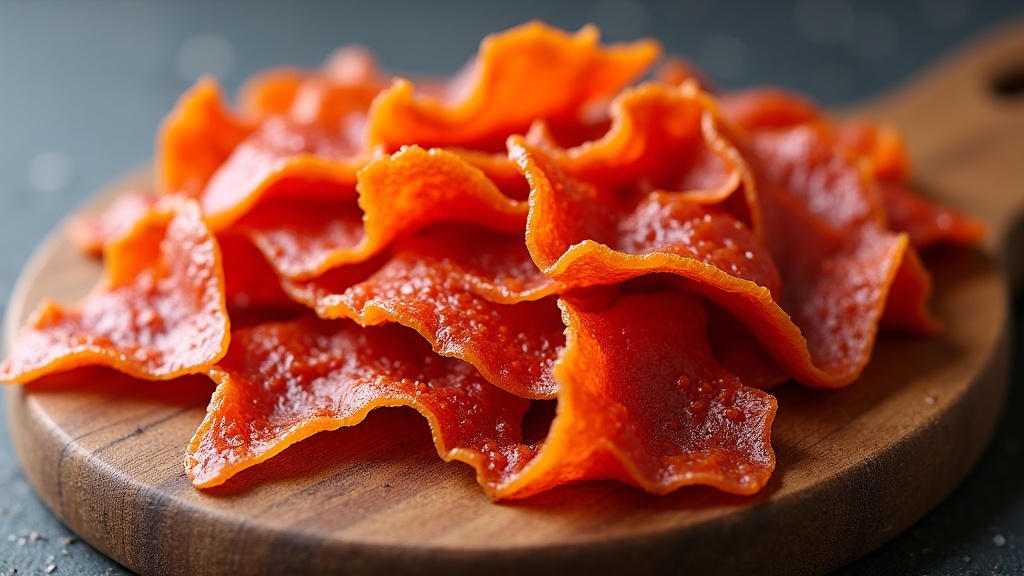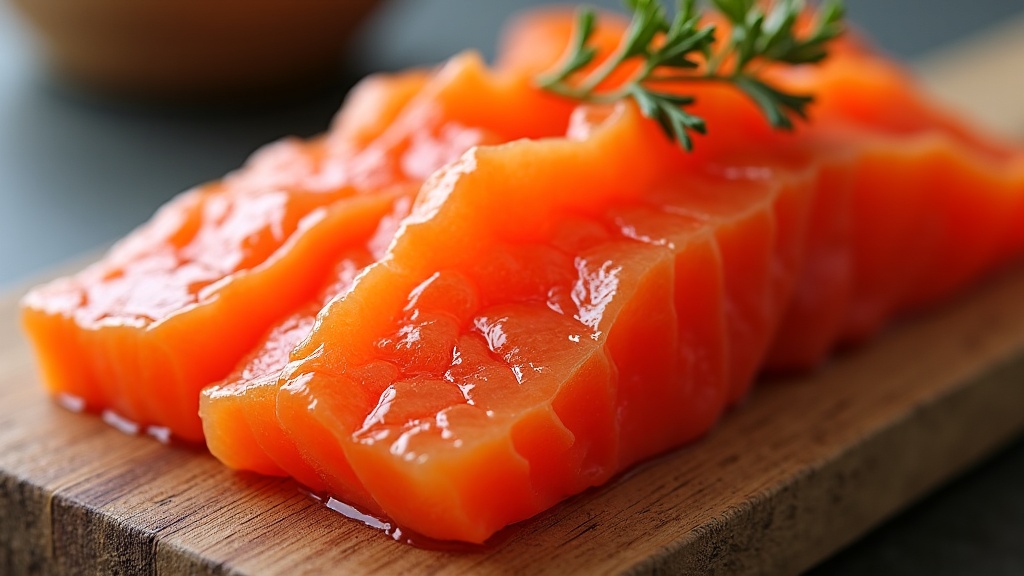
I’ve made beef jerky hundreds of times, but the batch that made my neighbor stop mid-driveway and ask “what is that?” was my first attempt at salmon jerky. It’s completely different from beef — richer, more delicate, and honestly something most jerky makers never try because they assume it’s complicated or risky.
Here’s the truth from my garage jerky lab: salmon jerky is easier than beef in some ways (no slicing against the grain!), but you need to follow a few specific steps to avoid ending up with dried-out fish leather. This is the salmon jerky recipe I’ve refined over a dozen batches, stripped of all the food-blogger nonsense.
Why Salmon Makes Excellent Jerky
Most people think jerky = beef, but fish has been dried for preservation longer than beef has. Salmon works particularly well because:
- High fat content — keeps the jerky tender instead of brittle
- Strong flavor — stands up to marinades without getting lost
- No grain to worry about — you can’t slice it “wrong” like beef
- Faster drying time — typically 3-4 hours vs 6-8 for beef
The fat content is actually what scares people off. Yes, salmon jerky has a shorter shelf life than beef (2-3 weeks vs several months), but if you’re like me and your batches disappear in days, that’s not a problem.
The Salmon Jerky Recipe (What Actually Works)
Ingredients
For the salmon:
- 2 lbs fresh or frozen salmon fillets (skin removed)
- ¼ cup kosher salt
For the marinade:
- ½ cup soy sauce or tamari
- ¼ cup brown sugar
- 2 tablespoons maple syrup
- 1 tablespoon fresh ginger (minced)
- 2 cloves garlic (minced)
- 1 teaspoon black pepper
- ½ teaspoon onion powder
- ¼ teaspoon cayenne pepper (optional)
Equipment You’ll Need
I use a standard food dehydrator — nothing fancy. You’ll also want:
- Sharp fillet knife or chef’s knife
- Cutting board (dedicated to fish if possible)
- Large zip-top bag or glass dish for marinating
- Paper towels
- Tweezers for pin bones
Step-by-Step: Preparing the Salmon
Step 1: Choose and Prep Your Salmon
Fresh is ideal, but frozen works fine — I’ve done both. If using frozen, thaw it completely in the fridge (8-12 hours). Remove the skin if it’s still on. Run your fingers along the flesh and pull out any pin bones with tweezers or needle-nose pliers.
Here’s where salmon jerky gets easier than beef: you don’t need to partially freeze it for slicing. Room-temp salmon cuts cleanly.
Step 2: Slice It Right
Cut the salmon into strips about ¼-inch thick. I cut with the grain (lengthwise along the fillet) into strips about 1 to 1.5 inches wide. Thinner strips dry faster but can get brittle; thicker strips stay chewier but take longer.
Critical tip: Try to keep thickness consistent. Uneven strips mean some pieces are overdried while others are still raw in the middle.
Step 3: The Dry Cure (Don’t Skip This)
This is the step most online recipes miss. Before marinating, cure the salmon strips in kosher salt for 30-45 minutes. This draws out excess moisture and firms up the texture.
Lay strips on paper towels, sprinkle both sides with kosher salt (about 2 tablespoons per pound), and let them sit. After 30-45 minutes, rinse thoroughly under cold water and pat completely dry with fresh paper towels.
Marinating: Where the Flavor Happens
Mix all marinade ingredients in a bowl until the sugar dissolves. Place salmon strips in a gallon zip-top bag, pour marinade over them, squeeze out air, and seal.
Refrigerate for 4-6 hours. I’ve tested overnight (12+ hours) and it makes the jerky too salty and breaks down the texture. Unlike beef, salmon doesn’t need that long.
Flip the bag every hour or so to make sure everything’s coated evenly.
Drying the Salmon Jerky
Remove strips from marinade and pat them dry with paper towels — you want surface moisture gone or it’ll just extend drying time.
Arrange strips on dehydrator trays with space between each piece. Don’t overlap or they’ll stick together.
Dehydrator settings:
- Temperature: 145°F for the first hour, then 155°F for remaining time
- Time: 3-5 hours total (depends on thickness and your dehydrator)
The USDA recommends heating fish to 145°F for safety, which is why we start there. Research on home-dried meat safety shows proper temperature control is critical for eliminating pathogens.
How to Tell When It’s Done
Salmon jerky is done when it bends without breaking but doesn’t feel wet or sticky. It should have some give — not snap like a cracker. Press a piece between your fingers; if moisture beads up, it needs more time.
My batches usually take 3.5-4 hours at ¼-inch thickness.
Salmon Jerky vs. Beef Jerky: Key Differences
| Factor | Salmon Jerky | Beef Jerky |
|---|---|---|
| Prep Time | Easier — no grain direction | Must slice against grain |
| Drying Time | 3-5 hours | 6-8 hours |
| Marinade Time | 4-6 hours max | 12-24 hours ideal |
| Shelf Life | 2-3 weeks (refrigerated) | 2-3 months (room temp) |
| Texture | Tender, slightly oily | Chewy, dry |
| Cost per batch | $16-24 (2 lbs salmon) | $12-18 (2 lbs beef) |
Storing Salmon Jerky (This Matters More Than Beef)
Because of the higher fat content, salmon jerky doesn’t keep as long as beef. Here’s how I store it:
Short-term (up to 1 week): Airtight container or zip-top bag in the fridge.
Medium-term (2-3 weeks): Vacuum seal and refrigerate. I use a cheap vacuum sealer and it extends life significantly.
Long-term (2-3 months): Vacuum seal and freeze. Thaw in the fridge when you’re ready to eat it.
According to studies on jerky storage and food safety, proper storage at controlled temperatures prevents bacterial growth even in high-moisture products.
Common Mistakes (That I Made So You Don’t Have To)
Mistake #1: Skipping the dry cure. My first batch was mushy because I went straight to marinade. The salt cure step is non-negotiable.
Mistake #2: Over-marinating. I left a batch in marinade for 18 hours once. It tasted like a salt lick and fell apart during drying.
Mistake #3: Drying at too low a temperature. I tried 135°F to “preserve the fish better” and ended up with potential food safety issues. Stick to 145-155°F.
Mistake #4: Not patting dry before dehydrating. Excess surface moisture adds hours to drying time and can cause uneven drying.
Mistake #5: Storing at room temperature. Unlike beef jerky, salmon jerky goes rancid quickly at room temp. Always refrigerate.
Flavor Variations Worth Trying
Once you nail the base recipe, these variations are solid:
Teriyaki style: Add ¼ cup pineapple juice and extra ginger to the marinade.
Spicy Sriracha: Replace cayenne with 2 tablespoons Sriracha and add a splash of rice vinegar.
Brown sugar bourbon: Add 2 tablespoons bourbon and increase brown sugar to ⅓ cup for a sweeter profile.
Lemon pepper: Reduce soy sauce to ¼ cup, add juice of 1 lemon, and 1 tablespoon cracked black pepper.
Frequently Asked Questions
Can I use salmon with skin on?
Technically yes, but I don’t recommend it. The skin gets rubbery and tough during drying, and it doesn’t absorb marinade well. It’s worth the 2 minutes to remove it with a sharp knife.
Is it safe to make salmon jerky at home?
Yes, if you follow safe temperatures. Heat salmon to 145°F minimum (which the dehydrator does) and store it properly. The National Center for Home Food Preservation provides specific guidance on safely drying fish at home.
Can I make this in the oven instead of a dehydrator?
You can, but it’s trickier. Set your oven to the lowest setting (usually 170-200°F), prop the door open slightly with a wooden spoon for air circulation, and flip the strips every hour. It’ll take 4-6 hours. A dehydrator is more consistent and uses way less energy.
What type of salmon works best?
I’ve used sockeye, coho, and Atlantic farm-raised. All work fine. Wild-caught has more flavor but costs more. For your first batch, use whatever’s on sale — don’t overthink it. Just avoid previously frozen salmon that’s been sitting in the seafood case for days; get the freshest you can find or buy frozen and thaw it yourself.
How long does salmon jerky last compared to beef jerky?
Refrigerated in an airtight container: 2-3 weeks. Vacuum-sealed in the freezer: 2-3 months. Beef jerky lasts much longer (months at room temp) because it has less fat. The higher fat content in salmon means it can go rancid faster, so always store it cold.
Do I need to use wild-caught salmon or is farmed okay?
Either works. Wild-caught has a slightly firmer texture and richer flavor, but farmed salmon makes perfectly good jerky and costs less. I’ve done both — use what fits your budget.