Pork Jerky Recipe: The Underrated Jerky You Should Be Making
Pork jerky is hands-down the most underrated jerky you’re not making — and after eight years of running batches in my garage, I’d argue it’s better than beef for certain flavor profiles. If you’ve been sleeping on pork because you think it’s “too risky” or “weird,” you’re missing out on some of the most flavorful, tender jerky you’ll ever make.
Here’s the thing: pork takes marinade better than beef, stays more tender, and costs less per pound. The only catch? You need to follow a few safety steps that most beef jerky recipes skip. I’ll walk you through everything — the best cuts, my go-to marinade, exact prep steps, and the one safety rule you absolutely can’t skip.
Why Nobody Makes Pork Jerky (And Why You Should)
Walk into any gas station and you’ll see fifty varieties of beef jerky, maybe some turkey, and zero pork. It’s not because pork makes bad jerky — it’s because commercial producers have to navigate stricter USDA rules around pork preservation. But for home jerky makers? We’ve got the advantage.
Pork has more intramuscular fat than lean beef cuts, which means it stays chewable longer without turning into leather. It also has a milder base flavor that plays better with sweet, spicy, or Asian-inspired marinades. After 400+ batches, some of my best experiments have been pork-based — teriyaki pork jerky, maple bourbon, Korean gochujang. All winners.
The elephant in the room: trichinosis. It’s the parasite concern that scared everyone away from pork jerky decades ago. Modern commercial pork in the U.S. has virtually eliminated this risk, but the cautious approach is still smart. The solution is dead simple: freeze your pork before making jerky. According to the University of Alaska Fairbanks Cooperative Extension, freezing pork at 5°F or lower for 20 days (or -4°F for 10 days) kills trichinella parasites completely. I freeze mine for 3 weeks at 0°F just to be safe, and it has the added benefit of making the meat easier to slice.
Best Cuts of Pork for Jerky
You want lean cuts with minimal fat, but not zero fat — a little marbling keeps pork jerky from drying out too much. Here’s what I use, ranked by results:
| Cut | Fat Content | Flavor | Best Use |
|---|---|---|---|
| Pork Loin | Low | Mild, clean | All-purpose, takes any marinade well |
| Pork Tenderloin | Very low | Delicate, slightly sweet | Premium batches, thin slices |
| Pork Sirloin Tip | Moderate | Rich, more “porky” | Bold marinades, budget-friendly |
| Pork Shoulder (trimmed) | High (must trim) | Intense, fatty | Advanced — requires aggressive fat trimming |
My recommendation: Start with pork loin. It’s affordable, widely available, and forgiving. I buy the big vacuum-sealed loins from Costco, cut them into 1-2 lb sections, freeze for 3 weeks, then thaw and slice. You can grab a vacuum sealer and bags to portion and freeze efficiently.
The Safety Step You Can’t Skip: Freezing Pork Before Jerky
This is non-negotiable. Even though modern U.S. pork is cleaner than it’s ever been, wild game and some heritage breeds can still carry trichinella parasites. Freezing eliminates the risk entirely.
Freezing protocol for safe pork jerky:
- Cut pork into portions no thicker than 6 inches (helps it freeze through faster)
- Wrap tightly in plastic wrap or vacuum seal
- Freeze at 0°F (-18°C) for at least 21 days, or -4°F (-20°C) for 10 days
- Label your packages with the date — I use a Sharpie on freezer tape
The Ohio State University Extension confirms this method is effective for destroying parasites in wild game and pork. As a bonus, partially frozen meat (thawed to about 50% firm) slices cleaner and more uniformly than fully thawed meat.
Sam’s Go-To Pork Jerky Marinade Recipe
This is my base recipe — a balanced sweet-savory-umami blend that works for 2 lbs of trimmed pork. You can tweak from here.
Ingredients
- ½ cup soy sauce (I use low-sodium to control salt)
- ¼ cup Worcestershire sauce
- ¼ cup brown sugar (or honey for a different sweetness)
- 2 tablespoons apple cider vinegar
- 1 tablespoon smoked paprika
- 1 teaspoon garlic powder
- 1 teaspoon onion powder
- 1 teaspoon black pepper
- ½ teaspoon crushed red pepper (optional, for heat)
- ½ teaspoon curing salt (Prague Powder #1) — optional but recommended for color and safety
Mix everything in a bowl until the sugar dissolves. That’s it. No fancy equipment needed.
Note on curing salt: Prague Powder #1 (sodium nitrite) isn’t required for dehydrator jerky, but it adds that classic “cured meat” color and an extra safety margin against bacteria. I use it in about 70% of my batches. You can find curing salt on Amazon — one bag lasts years.
Step-by-Step: Preparing Pork Jerky
1. Thaw and Slice the Pork
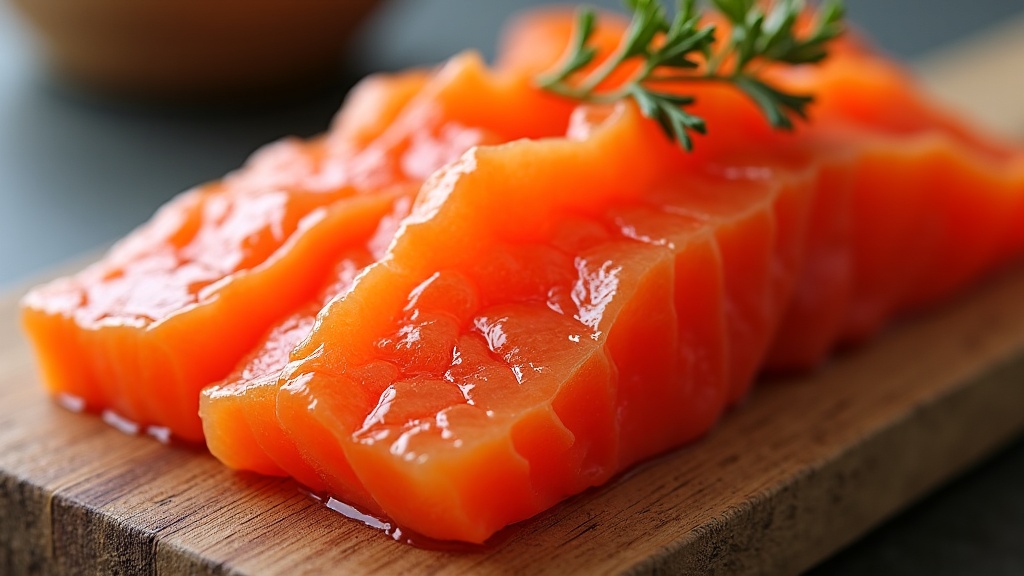
Thaw your frozen pork in the fridge for 24 hours, or until it’s about 50-70% thawed — still slightly firm. This makes slicing way easier. Using a electric meat slicer or a sharp knife, slice against the grain into ¼-inch thick strips. Consistency matters — uneven slices dry unevenly.
2. Trim Excess Fat
Pork has more fat than beef, and fat goes rancid during storage. Trim any visible fat caps or thick marbling. A little is fine, but chunks of white fat will make your jerky spoil faster.
3. Marinate
Toss the sliced pork into a gallon-size ziplock bag, pour in the marinade, squeeze out the air, and seal. Massage the bag to coat every piece. Refrigerate for 6-24 hours. I usually go overnight (12-16 hours). Longer isn’t always better — pork can get mushy if you marinate past 24 hours.
4. Pat Dry (Optional but Recommended)
Pull the strips out of the marinade and lay them on paper towels. Pat them dry to remove excess liquid. This speeds up drying time and prevents sticky jerky.
Drying Your Pork Jerky
You’ve got three main methods: dehydrator, oven, or smoker. I’ve done all three hundreds of times. Here’s the breakdown.
Dehydrator Method (My Preferred Method)
This is the most consistent and hands-off approach. Set your food dehydrator to 160°F. Lay the strips in a single layer on the trays — don’t overlap. Drying time: 4-6 hours, depending on thickness and your dehydrator’s airflow.
Safety note: The USDA recommends heating jerky to 160°F to kill bacteria. Dehydrators hit this temp easily. If you’re using an oven or smoker that runs cooler, you may need to pre-heat the meat strips in a 275°F oven for 10 minutes before drying.
Oven Method
Set your oven to the lowest temp (usually 170-200°F). Lay strips on wire racks over baking sheets. Prop the oven door open with a wooden spoon to let moisture escape. Drying time: 3-5 hours. Rotate trays halfway through. This works, but it heats up your kitchen and uses more energy than a dehydrator.
Smoker Method (For Flavor Junkies)
Set your smoker to 160-180°F with a mild wood like apple, cherry, or hickory. Lay strips on grates or hang them from hooks. Drying time: 3-4 hours. The smoke flavor on pork jerky is incredible — my kids request “smoky pork sticks” constantly. Just watch your temp — too hot and you’ll cook the meat instead of drying it.
How to Tell When It’s Done
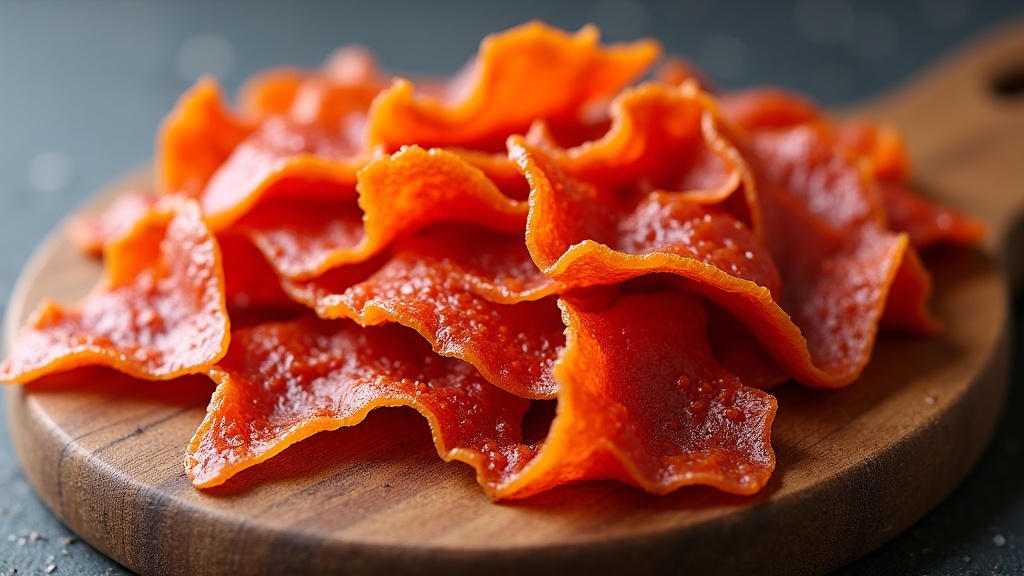
Jerky should bend and crack but not snap in half. It should feel dry to the touch with no moisture beading up when you squeeze it. If it’s still pliable and wet, keep drying. If it snaps like a cracker, you’ve gone too far (still edible, just tough).
Storing Pork Jerky for Maximum Freshness
Because pork has more residual fat than beef, it has a shorter shelf life. Here’s how I store mine:
- Short-term (1-2 weeks): Airtight container or ziplock bag at room temperature in a cool, dark place
- Medium-term (1-2 months): Vacuum-sealed bags in the fridge
- Long-term (6+ months): Vacuum-sealed in the freezer
I vacuum-seal 90% of my batches using a FoodSaver-style vacuum sealer. It extends shelf life dramatically and keeps the jerky from absorbing fridge odors. A study on jerky storage and bacterial viability found that properly dried jerky stored at low humidity remained microbiologically safe for weeks, but fat oxidation (rancidity) is still a concern with fattier meats like pork.
Pro tip: Toss a food-safe silica gel packet into each storage bag to absorb any residual moisture. You can buy food-safe desiccant packets in bulk.
Flavor Variations to Try
Once you’ve nailed the base recipe, branch out. Pork plays well with flavors that would overpower beef:
- Teriyaki Pork: Swap Worcestershire for mirin, add fresh ginger and sesame oil
- Maple Bourbon: Use real maple syrup instead of brown sugar, add 2 tablespoons bourbon
- Spicy Korean: Gochujang paste, rice vinegar, sesame seeds, and a touch of sugar
- Sweet Chili: Sriracha, honey, lime juice, and fish sauce for a Thai-inspired profile
I keep a spreadsheet of every batch I make — marinade ratios, drying times, outcomes. It’s nerdy, but it’s how you go from “pretty good” to “people ask you to sell this.”
Frequently Asked Questions
Is pork jerky safe to make at home?
Yes, as long as you follow two rules: freeze the pork for at least 21 days at 0°F to kill parasites, and dry it at 160°F to kill bacteria. Modern U.S. commercial pork is extremely safe, but freezing adds an extra safety margin. The National Center for Home Food Preservation provides detailed guidance on safe jerky preparation.
Can I use ground pork for jerky?
Absolutely. Ground pork jerky (sometimes called “pork sticks”) is easier to make than sliced jerky because you don’t need to slice meat uniformly. Mix your marinade directly into the ground pork, form it into strips using a jerky gun, and dry at 160°F. I prefer the texture of sliced jerky, but ground is faster and more kid-friendly.
Why is my pork jerky tough and dry?
You over-dried it. Pork has less moisture than beef to begin with, so it crosses the line from “done” to “overdone” faster. Pull it when it bends and cracks but doesn’t snap. Also, make sure you’re slicing against the grain — slicing with the grain makes jerky chewier.
How long does homemade pork jerky last?
At room temperature in an airtight container: 1-2 weeks. In the fridge, vacuum-sealed: 1-2 months. In the freezer, vacuum-sealed: 6+ months. Because pork has more fat than ultra-lean beef, it will eventually go rancid, especially if stored warm. If it smells off or tastes sour, toss it.
Do I need curing salt for pork jerky?
No, but I recommend it. Curing salt (Prague Powder #1, sodium nitrite) isn’t required if you’re drying at 160°F and storing properly, but it provides extra insurance against botulism, gives the jerky a better color, and adds a classic “cured” flavor. Use it at the correct ratio: ¼ teaspoon per pound of meat. Don’t overdo it.
Final Thoughts: Stop Sleeping on Pork Jerky
If you’ve only ever made beef jerky, you’re missing out. Pork is cheaper, more flavorful, and takes marinades better. Yes, you need to freeze it first. Yes, you need to trim the fat. But those are small trade-offs for jerky that’s genuinely different from everything else in your rotation.
I’ve been making jerky for eight years, and some of my best batches — the ones my kids request by name, the ones I actually get excited to pull out of the dehydrator — are pork. Give this recipe a shot. Freeze a pork loin tonight, and three weeks from now you’ll be snacking on something better than anything you’ll find at a gas station.