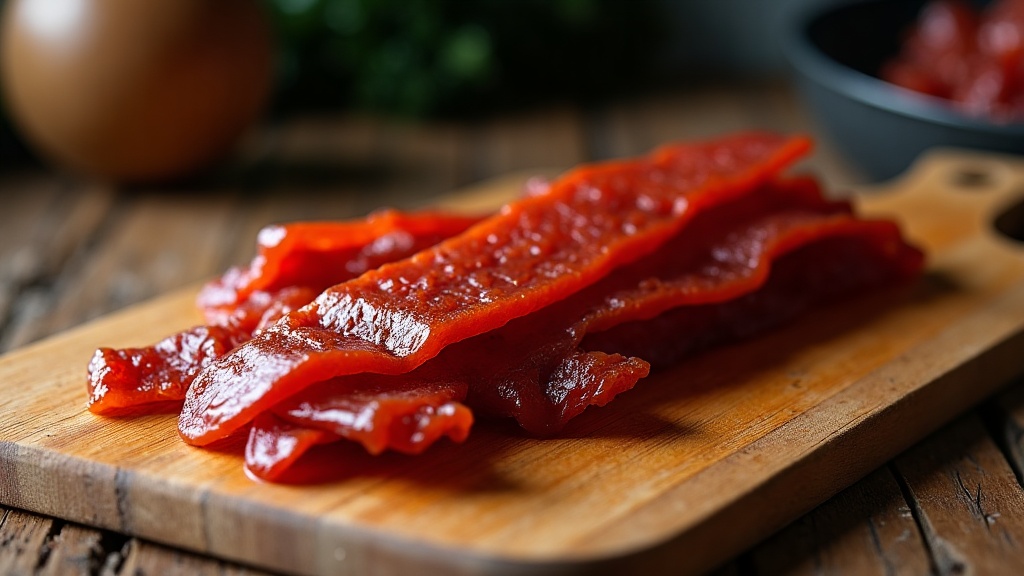
I’ve ruined enough jerky batches in my garage to know where this topic goes sideways fast. If your jerky feels greasy, the problem is usually fat, not some mystery failure in the dehydrator. As the meat heats up, fat softens and renders to the surface, so the strips come out shiny, slick, and heavier than good jerky should feel.
The fix depends on whether the batch is merely oily on the outside or still underdried in the middle. If it is dry enough otherwise, you can usually salvage it by blotting and giving it a little more time. If it stays greasy, damp, or develops an off smell, it is not worth pretending it is shelf-stable.
The Short Answer
Greasy jerky almost always starts with meat that was too fatty, not trimmed aggressively enough, or sliced with visible seams of fat still running through it. A hot drying environment can make that worse by pushing melted fat to the surface before the moisture has fully left the meat.
If the jerky is otherwise dry, pat it down with paper towels while it is still slightly warm, then test the thickest pieces. If they still feel soft or damp in the center, return them to the dehydrator or oven for another 15 to 30 minutes. If the batch smells sour, feels wet the next day, or leaves a heavy greasy film after blotting, discard it.
What Is Causing the Problem
When jerky comes out greasy, one of these causes is usually to blame:
- The cut had too much marbling or exterior fat to begin with.
- Fat seams, silverskin, or edge fat were left on before slicing.
- The drying temperature was high enough to render fat early in the process.
- The marinade included oil, which can leave the outside slick even if the meat itself is lean.
Fat matters more than moisture here because fat does not dry the way lean meat does. You can dry water out of jerky. You cannot dry a seam of fat into something pleasant. That is why a batch can technically look done and still eat badly.
How I Fix It Batch to Batch
If a batch is only mildly greasy and smells normal, I treat it like a finishing problem:
- Blot every strip thoroughly with paper towels while the jerky is still warm.
- Let the thickest pieces cool for a few minutes, then bend them to check whether the center is dry instead of soft.
- Return the batch to the dehydrator if the middle still feels spongy or folds like cooked steak.
- Cool the jerky fully before storing it so you do not trap condensation in the container.
This will improve surface texture, but it will not remove fat inside the meat. If the strips still feel oily after extra drying, refrigerate them and eat them soon. Do not treat that batch as long-storage jerky.
What to Check First
Before deciding whether the batch is salvageable, check a few practical things:
- Look at the cut edges for creamy white pockets or glossy streaks of fat.
- Tear or bend the thickest strip and inspect the center for dampness.
- Smell the cooled jerky for sour, stale, or rancid notes.
- Think back to the meat, trim, slice thickness, and whether your marinade contained oil.
Those checks separate a greasy surface from a deeper drying problem. Surface grease is annoying but manageable. Grease plus internal moisture is where quality and safety both start going the wrong direction.
When to Toss It and Start Over
Throw the batch out if it stays wet in the middle after extra drying, develops an off smell, or shows any sign of mold. Good jerky should be dry, flexible, and meaty smelling. It should not feel oily and damp at the same time.
You should also cut your losses if the meat was obviously fatty from the start and the finished strips leave a thick residue on your fingers. That kind of batch rarely improves much, and the shortened shelf life makes it hard to justify keeping around.
How to Prevent It Next Time
The best prevention is choosing lean meat and trimming harder than feels necessary. Top round, bottom round, eye of round, and venison are all safer bets than anything heavily marbled. If you can see a fat seam before slicing, remove it now instead of dealing with greasy jerky later.
Keep your slices uniform, avoid oil in the marinade, and dry at a steady jerky-friendly temperature instead of cranking the heat. Most greasy jerky problems are decided before the meat even goes on the tray.
Bottom Line
Greasy jerky is usually a meat-selection problem first and a drying problem second. You can often rescue a lightly greasy batch with blotting and a little more drying time, but you cannot turn a fatty cut into clean, dry jerky after the fact.
If you want jerky that keeps well and chews the way it should, start lean, trim aggressively, and treat surface grease as an early warning sign rather than something to ignore.
Greasy jerky usually means the problem started before the dehydrator ever got warm. I see it most often when the meat still has visible fat seams, when the strips are cut too thick for the amount of fat left on them, or when the marinade has enough oil or sugar to make the surface feel slick even after the meat dries. If you fix only the drying time and ignore those earlier decisions, the next batch often comes out disappointing in exactly the same way.
When I troubleshoot a greasy batch, I check the strips in this order: visible fat pockets, slice thickness, dehydrator airflow, and then marinade composition. Visible fat is the first thing I care about because fat does not dehydrate the way lean meat does. It softens, renders a little, and sits on the surface. That is why a batch can feel oily even when the lean parts are technically dry enough.
I also pay attention to whether the greasy feel is actually warm surface moisture or true fat. If the batch feels slick right out of the dehydrator but firms up after cooling on a rack for ten to fifteen minutes, the issue may be carryover warmth instead of a failed batch. If it still leaves residue on your fingers after cooling, I start assuming I missed too much fat or pushed the marinade in the wrong direction.
If you want the easiest fix next time, start with a leaner cut and trim more aggressively than feels necessary. Eye of round, top round, and venison are a lot more forgiving than marbled beef when your goal is clean, shelf-stable jerky. I would rather lose a little raw weight on the cutting board than spend five hours dehydrating a batch that still feels greasy when it finishes.
The dehydrator setup matters too. When strips overlap, hang too close together, or sit in a machine with weak airflow, moisture and rendered fat linger longer on the surface. That can make you think the marinade is the whole problem when the real issue is that the batch never had enough even circulation to dry cleanly. Rotating trays and leaving space between strips fixes more texture problems than most beginners expect.
For readers trying to save a borderline batch, I would blot the strips with paper towels after cooling, then return them to the dehydrator for a short extra cycle only if the inside still bends wet. If the grease keeps surfacing after that, I would refrigerate the batch and eat it fast instead of treating it like pantry jerky. That is not the ideal outcome, but it is better than pretending a fatty batch suddenly became shelf stable.
On the next batch, I would make one deliberate change before anything else: trim every obvious fat seam and slice a test strip before cutting the whole roast. That quick check tells you whether the meat is still carrying more fat than you want and whether your thickness target is realistic for the dehydrator you are using. It is a small step, but it saves a lot of frustration later.
I also think it helps to separate flavor goals from storage goals. A richer, fattier strip can taste great warm, but it is a worse fit if you want jerky that stays clean, dry, and stable for days. Once you decide which outcome matters more, the trim level, marinade, and drying time decisions get a lot easier.
If you are trying to solve greasy jerky instead of just guessing at it, I would compare jerky slicing knives and vacuum sealers for jerky because cleaner trimming and better storage usually matter more than people think when they are trying to improve texture and cut down greasy results.

