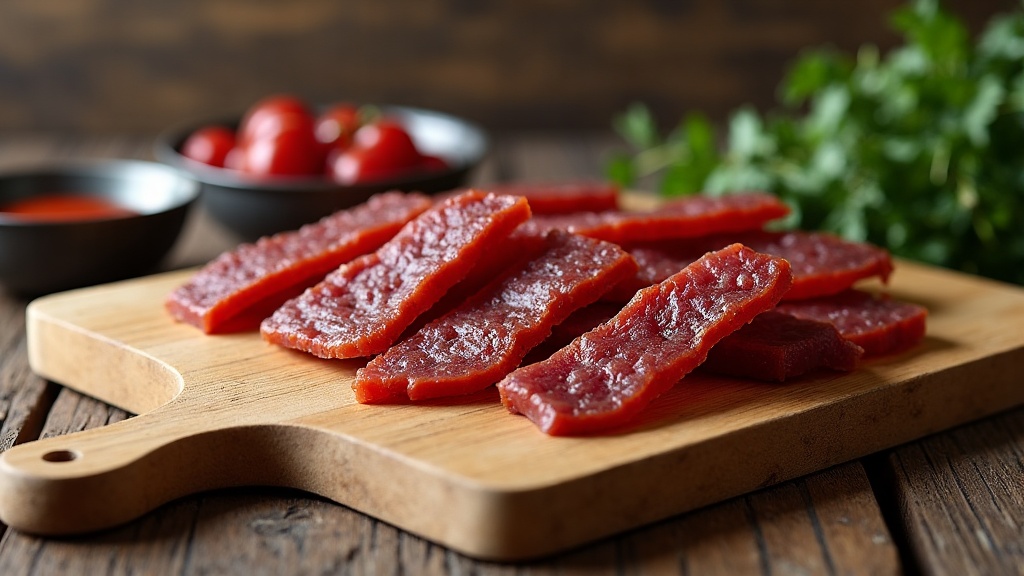
I’ve ruined enough jerky batches in my garage to know where this topic goes sideways fast. If you are making homemade jerky, marinating time matters more than most people think. Too short, and the flavor stays on the surface while the inside tastes flat. Too long, and the texture can turn oddly soft, overly salty, or muddy instead of clean and beefy.
If you are trying to get a batch right without wasting good meat, For most sliced beef jerky, the sweet spot is usually 12 to 24 hours in the refrigerator before dehydrating. That gives the meat enough time to absorb salt, sugar, acid, and aromatics without pushing the batch past the point where the marinade starts to dominate the texture.
The Short Answer
Marinate jerky for at least 4 hours, but preferably 12 to 24 hours for the best balance of flavor penetration and texture. Thin slices can pick up noticeable flavor in half a day, while thicker or more heavily seasoned cuts benefit from the full overnight window.
If your marinade is especially salty or acidic, stay closer to 8 to 12 hours. If it is mild and the meat is sliced a little thicker, 18 to 24 hours is usually safe and effective. Beyond 24 hours, the gains are small and the odds of a mushy or overly cured bite start going up.
Why This Technique Works
A good jerky marinade is doing two jobs at once: seasoning the meat and slightly changing its structure so it dries up with a better chew. The timing works because the ingredients move into the surface layers first, which is exactly where most of the eating experience happens in a thin slice.
- Salt carries the biggest impact, pulling flavor into the meat and helping the finished jerky taste fuller.
- Sugar balances sharp salty notes and helps create a rounder, less harsh finish.
- Acidic ingredients like vinegar or citrus can tenderize, but too much time makes the texture mealy.
- Thin slices do not need extreme soak times because there is simply less distance for the marinade to travel.
That is why overnight marinating works so reliably. It is long enough to build flavor depth, but short enough to preserve the firm, dry bite that separates real jerky from soft dried beef strips.
Step-by-Step Method
If you want consistent results, the process matters just as much as the clock. A controlled soak, even slicing, and proper draining before drying will do more for the batch than adding another dozen ingredients.
- Slice lean meat evenly, usually between 1/8 inch and 1/4 inch thick, so every piece marinates and dries at a similar rate.
- Mix the marinade thoroughly, add the meat, and coat every strip well in a sealed bag or shallow container.
- Refrigerate for 12 to 24 hours, flipping or massaging the bag once or twice if you think of it.
- Drain and pat the strips lightly before dehydrating so excess surface liquid does not slow drying.
Once the strips come out of the marinade, arrange them with space between each piece and dehydrate until they are dry, flexible, and no longer wet inside. The marinade sets up the flavor, but the drying stage is what locks in the final texture.
Time, Texture, and Doneness Cues
Not every batch needs the exact same marinating window. The right timing depends on thickness, salt level, and how assertive you want the flavor to be.
- 4 to 8 hours: decent in a pinch, but the center may taste lighter than the surface.
- 12 to 24 hours: best range for most homemade jerky recipes and the easiest place to start.
- 24 hours or more: can work with mild marinades, but watch for over-salting and soft texture.
- After dehydrating, finished jerky should bend and crack slightly, not snap cleanly or feel spongy.
If a test strip tastes weak, the next batch needs more seasoning or a slightly longer soak. If it tastes harsh, salty, or oddly cured, shorten the marinating time before changing the recipe itself.
Mistakes That Ruin the Batch
The most common mistake is assuming longer always means better. A marathon soak can make jerky taste one-note and overly wet on the surface, which drags out drying time and leads to uneven results.
Another problem is skipping the drain-and-pat step before the dehydrator. When strips go in dripping, the marinade forms sticky spots, the airflow gets less effective, and the final texture ends up patchy instead of uniformly dry and chewy.
Bottom Line
For most batches, marinate jerky overnight and keep the total time in the 12 to 24 hour range. That window gives you strong flavor, good color, and the best shot at a classic jerky texture.
If you are still dialing in your recipe, start with 12 hours and adjust from there based on taste. It is easier to add more marinating time on the next batch than to rescue jerky that sat too long in an aggressive marinade.
One thing I have learned from repeating the same batch with small tweaks is that jerky problems usually stack. A slightly thick slice plus a sugary marinade plus a dehydrator that runs cool can turn a normal batch into something sticky in the middle and over-dry on the edges. That is why I like changing one variable at a time instead of guessing at everything at once.
I also think yield matters more than beginners expect. A cheap cut, weak marinade, or sloppy slicing job can look fine at checkout and still leave you with a disappointing amount of finished jerky. When I compare methods or cuts, I am not only looking at flavor. I am looking at how much good jerky I actually pull off the trays and whether I would want to do that same batch again next weekend.
Price per pound can also trick you if you do not think about trim loss. A roast that looks cheap but has extra fat, awkward seams, or a shape that wastes slices can stop being a bargain fast. I would rather pay a little more for a cleaner roast that gives me straighter strips and less trash on the cutting board.
The other thing I watch is how forgiving the cut is when my slicing is not perfect. Some cuts still make solid jerky even when a few strips come out uneven. Others punish you with a batch that finishes in stages. For a home dehydrator setup, that forgiveness matters a lot more than people expect.
What I Would Change on the Next Batch
When a batch does not quite hit the mark, I almost never start by reinventing everything. I look at the cut, slice thickness, marinade balance, and drying setup in that order, because those four variables explain most of the wins and failures I see in home jerky.
I also think the smartest home cooks keep notes on what the batch actually did, not just whether it tasted good in the moment. Texture after cooling, yield, cleanup, and next-day chew tell you more than the first warm bite off the tray.
That habit is what turns one decent batch into a repeatable method. It also keeps you from blaming the wrong variable and chasing fixes that do not actually solve the real problem.
How I Judge Whether a Method Is Worth Repeating
A method is worth repeating when it gives me predictable texture without babysitting every tray. If I need constant rescue moves to keep thick pieces from staying wet or thin pieces from turning brittle, that is not a method I trust no matter how good the first bite tastes.
I also care about cleanup and yield more than recipe pages usually do. A batch that tastes fine but leaves sticky racks, poor yield, and inconsistent chew is still a mediocre process in my book.
That is why I like simple, disciplined jerky workflows. Clean trim, even slices, controlled seasoning, and patient drying are boring compared to flashy marinades, but they are what make the batch dependable.
Once that part is dialed in, you can chase flavor variations all you want. Until then, the fastest improvement usually comes from process, not from adding more ingredients.
What I Would Watch Closely While This Batch Dries
When I am working with a marinade-sensitive batch, I pay close attention to how quickly the surface stops looking wet and how evenly the thinner pieces tighten up compared with the thicker ones. That early drying window tells me whether I nailed the slice thickness or whether the batch is heading toward mixed texture before it is even halfway done.
I also like checking whether the flavor concentration still feels balanced after a strip cools for a few minutes. A lot of jerky tastes fine warm and then gets noticeably saltier once it settles, which is one more reason I do not love dragging marination out longer than the meat really needs.
If I saw edges drying too fast while the centers still looked glossy, I would start rotating trays and planning a staggered finish instead of pretending every strip will be done at the same moment. That little adjustment saves more batches than any fancy marinade trick.
For home jerky makers, that is the bigger lesson: timing the marinade well gives you a much easier drying job afterward. Good prep does not guarantee a perfect batch, but it dramatically lowers the odds that you end up chasing texture problems for the last two hours.

