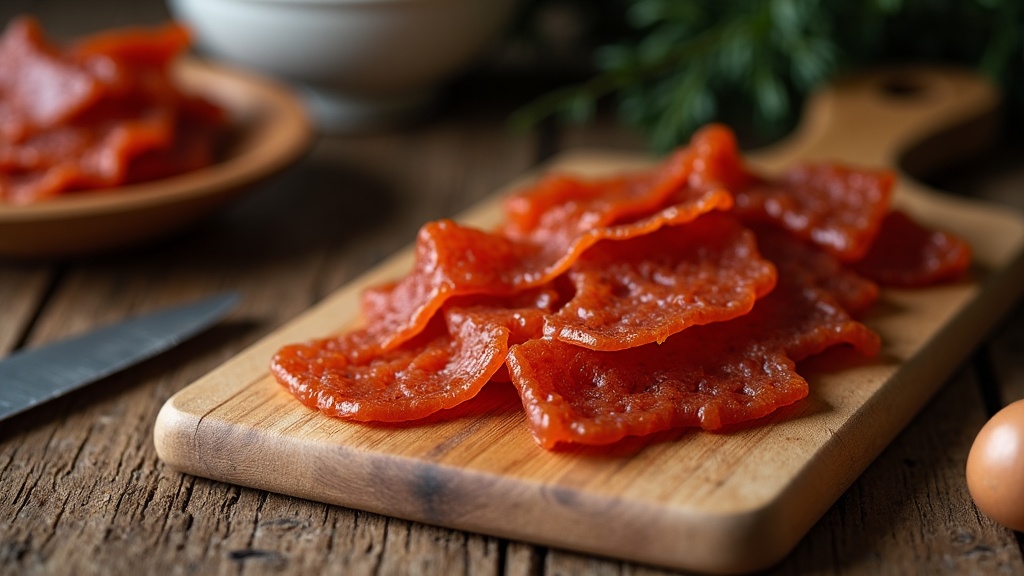
I’ve ruined enough jerky batches in my garage to know where this topic goes sideways fast. If your jerky smells sour, funky, or just plain wrong, something went off somewhere between slicing, marinating, drying, and storage. Good jerky should smell meaty, seasoned, and dry. It might smell smoky, peppery, sweet, or a little tangy if you used vinegar or Worcestershire, but it should not smell fermented, cheesy, sweaty, or sharp in a bad way.
If you are trying to get a batch right without wasting good meat, The tricky part is that home jerky can look fine and still be a bad batch. A sour smell usually means too much moisture was left in the meat, the meat sat too warm for too long, or the finished jerky picked up moisture again during storage. When that happens, I stop thinking about flavor tweaks and start treating it like a spoilage issue.
The Short Answer
Most of the time, jerky smells sour or off because bacteria or spoilage organisms had enough moisture, time, and warmth to get established. The usual causes are under-drying, unsafe handling before drying, warm marinating, thick slices, crowded trays, or storing the jerky before it was fully cooled and dry.
If the smell is truly sour and it was not clearly caused by your marinade ingredients, do not try to “save” the batch. Toss it. The safer move is figuring out what went wrong so the next batch dries faster, heats safely, and stays dry in storage.
What Is Causing the Problem
When jerky develops an off smell, I usually trace it back to one of four problems:
- The meat stayed in the danger zone too long before or during drying, which gives bacteria a head start.
- The strips were cut too thick or dried unevenly, so the outside felt done while the inside stayed too moist.
- The marinade, cutting board, knife, trays, or hands cross-contaminated the batch.
- The jerky absorbed moisture after drying because it was bagged warm, stored loosely, or kept in a humid spot.
There is also a non-bacterial version of “off” smell: fat going rancid. If you leave too much fat on the meat, older jerky can start smelling stale, oily, or paint-like instead of sour. That is still a discard situation, but the fix is trimming leaner and storing colder.
How I Fix It Batch to Batch
These are the habits that keep my batches consistent and cut down on mystery smells:
- Start with very lean meat, trim visible fat hard, and slice no thicker than about 1/4 inch.
- Marinate in the refrigerator only, never on the counter, and keep raw-meat tools separate from finished jerky.
- Heat the meat properly for jerky safety, then dry in a single layer with space around each strip.
- Cool the finished jerky completely before packing it, then refrigerate or freeze if you want the longest shelf life.
I also test more than one piece before calling a batch done. The strip should be dry and leathery, should crack when bent, and should not feel damp in the center. If even a few thicker pieces feel soft or wet, the whole batch gets more time.
What to Check First
If you open a bag and something smells wrong, check these things in order:
- Does it smell like your marinade ingredients, or does it smell fermented, cheesy, musty, or rancid?
- Do any pieces feel sticky, damp, greasy, or softer in the middle than the rest?
- Is there any visible mold, haze, or odd color change on the surface?
- How was it stored: room temp, fridge, sealed bag, vacuum bag, humid kitchen, or a warm truck console?
If the answer to any of those checks makes you hesitate, that hesitation is useful. Good jerky is pretty straightforward. When the smell is questionable, the safest read is that the batch is questionable too.
When to Toss It and Start Over
Toss the jerky if it smells sour in a way your marinade does not explain, if it smells rotten or rancid, if you see mold, or if the strips feel slimy, sticky, or unusually moist after storage. The same goes for jerky that sat out warm for too long before drying or was packed while still warm and damp.
Do not try to cook the smell out, wipe it off, or “just dry it longer” once it has clearly turned. Drying removes moisture, but it does not rewind spoilage. Losing a batch is annoying. Eating a bad one is worse.
Bottom Line
Sour-smelling jerky is usually a moisture-and-handling problem, not bad luck. Safer batches come from lean meat, cold marinating, proper heating, thorough drying, and dry storage after the strips have fully cooled.
If it smells intentionally tangy because of the recipe, that is one thing. If it smells unexpectedly sour or off, trust that signal and toss it. Jerky should smell dry, clean, and appetizing, not debatable.
Greasy jerky usually means the problem started before the dehydrator ever got warm. I see it most often when the meat still has visible fat seams, when the strips are cut too thick for the amount of fat left on them, or when the marinade has enough oil or sugar to make the surface feel slick even after the meat dries. If you fix only the drying time and ignore those earlier decisions, the next batch often comes out disappointing in exactly the same way.
When I troubleshoot a greasy batch, I check the strips in this order: visible fat pockets, slice thickness, dehydrator airflow, and then marinade composition. Visible fat is the first thing I care about because fat does not dehydrate the way lean meat does. It softens, renders a little, and sits on the surface. That is why a batch can feel oily even when the lean parts are technically dry enough.
I also pay attention to whether the greasy feel is actually warm surface moisture or true fat. If the batch feels slick right out of the dehydrator but firms up after cooling on a rack for ten to fifteen minutes, the issue may be carryover warmth instead of a failed batch. If it still leaves residue on your fingers after cooling, I start assuming I missed too much fat or pushed the marinade in the wrong direction.
If you want the easiest fix next time, start with a leaner cut and trim more aggressively than feels necessary. Eye of round, top round, and venison are a lot more forgiving than marbled beef when your goal is clean, shelf-stable jerky. I would rather lose a little raw weight on the cutting board than spend five hours dehydrating a batch that still feels greasy when it finishes.
The dehydrator setup matters too. When strips overlap, hang too close together, or sit in a machine with weak airflow, moisture and rendered fat linger longer on the surface. That can make you think the marinade is the whole problem when the real issue is that the batch never had enough even circulation to dry cleanly. Rotating trays and leaving space between strips fixes more texture problems than most beginners expect.
For readers trying to save a borderline batch, I would blot the strips with paper towels after cooling, then return them to the dehydrator for a short extra cycle only if the inside still bends wet. If the grease keeps surfacing after that, I would refrigerate the batch and eat it fast instead of treating it like pantry jerky. That is not the ideal outcome, but it is better than pretending a fatty batch suddenly became shelf stable.
On the next batch, I would make one deliberate change before anything else: trim every obvious fat seam and slice a test strip before cutting the whole roast. That quick check tells you whether the meat is still carrying more fat than you want and whether your thickness target is realistic for the dehydrator you are using. It is a small step, but it saves a lot of frustration later.
I also think it helps to separate flavor goals from storage goals. A richer, fattier strip can taste great warm, but it is a worse fit if you want jerky that stays clean, dry, and stable for days. Once you decide which outcome matters more, the trim level, marinade, and drying time decisions get a lot easier.
What I Would Change on the Next Batch
When a batch does not quite hit the mark, I almost never start by reinventing everything. I look at the cut, slice thickness, marinade balance, and drying setup in that order, because those four variables explain most of the wins and failures I see in home jerky.
I also think the smartest home cooks keep notes on what the batch actually did, not just whether it tasted good in the moment. Texture after cooling, yield, cleanup, and next-day chew tell you more than the first warm bite off the tray.
That habit is what turns one decent batch into a repeatable method. It also keeps you from blaming the wrong variable and chasing fixes that do not actually solve the real problem.
How I Judge Whether a Method Is Worth Repeating
A method is worth repeating when it gives me predictable texture without babysitting every tray. If I need constant rescue moves to keep thick pieces from staying wet or thin pieces from turning brittle, that is not a method I trust no matter how good the first bite tastes.
I also care about cleanup and yield more than recipe pages usually do. A batch that tastes fine but leaves sticky racks, poor yield, and inconsistent chew is still a mediocre process in my book.
That is why I like simple, disciplined jerky workflows. Clean trim, even slices, controlled seasoning, and patient drying are boring compared to flashy marinades, but they are what make the batch dependable.
Once that part is dialed in, you can chase flavor variations all you want. Until then, the fastest improvement usually comes from process, not from adding more ingredients.
What I Would Watch Closely While This Batch Dries
When I am working with a marinade-sensitive batch, I pay close attention to how quickly the surface stops looking wet and how evenly the thinner pieces tighten up compared with the thicker ones. That early drying window tells me whether I nailed the slice thickness or whether the batch is heading toward mixed texture before it is even halfway done.
I also like checking whether the flavor concentration still feels balanced after a strip cools for a few minutes. A lot of jerky tastes fine warm and then gets noticeably saltier once it settles, which is one more reason I do not love dragging marination out longer than the meat really needs.
If I saw edges drying too fast while the centers still looked glossy, I would start rotating trays and planning a staggered finish instead of pretending every strip will be done at the same moment. That little adjustment saves more batches than any fancy marinade trick.
For home jerky makers, that is the bigger lesson: timing the marinade well gives you a much easier drying job afterward. Good prep does not guarantee a perfect batch, but it dramatically lowers the odds that you end up chasing texture problems for the last two hours.

