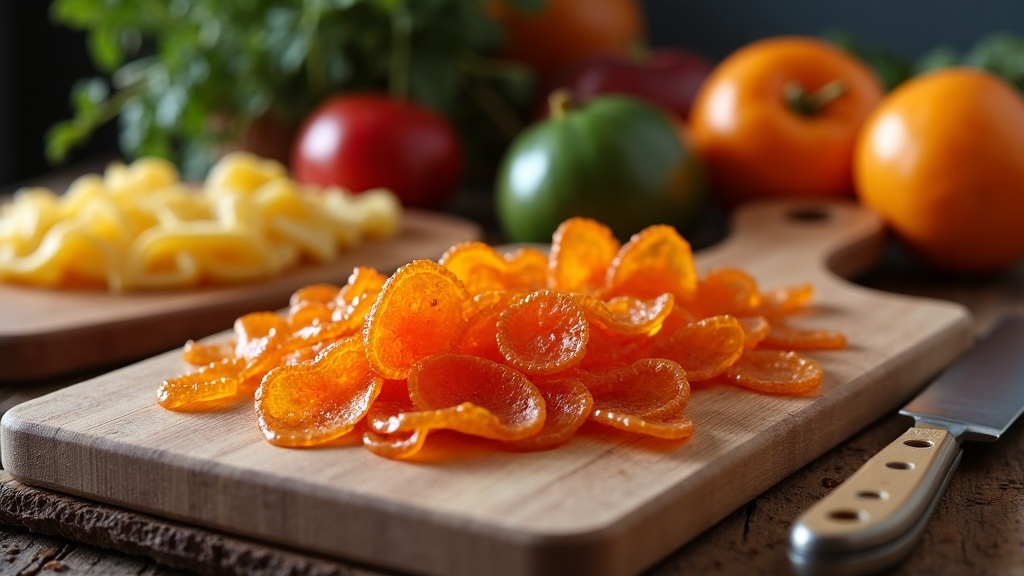
I have made enough dehydrator snacks to know that “made from fruit” can mean two very different things. Fruit leather can absolutely be a healthy snack when it is basically pureed fruit dried into a chewy sheet. It can also be candy in disguise when the ingredient list leans on added sugar, juice concentrates, and tiny serving sizes that make it easy to eat half a box without noticing.
My practical answer is simple: fruit leather is healthiest when it still behaves like real fruit, just in a more portable form. The more a brand pushes it toward dessert, the less I treat it like an everyday snack. That is the line that matters.
The Short Answer
Yes, fruit leathers can be healthy when they are made mostly from real fruit and not loaded with added sweeteners. They are shelf-stable, easy to pack, and usually more satisfying than gummy fruit snacks because they still retain some fiber from the original puree.
The catch is concentration. Drying removes water, not sugar, so the sweetness and calories get packed into a smaller piece. That means fruit leather is better thought of as a compact fruit snack than a full substitute for fresh fruit.
Why This Technique Works
Fruit leather sits in a useful middle ground between fresh fruit and heavily processed snacks. When the batch is done right, you get a few real advantages:
- You keep some fiber, which usually makes it more filling than candy-style fruit snacks.
- You get better portability than fresh fruit, especially for lunch boxes, road trips, and hikes.
- You can control the ingredient list completely if you make it at home.
- It is an easy way to use ripe fruit before it goes bad.
The reason quality varies so much is that fruit leather is very easy to cheapen. Once corn syrup, cane sugar, or multiple fruit juice concentrates start doing the heavy lifting, you are not really buying the same kind of snack anymore. At that point it is closer to a confection with fruit branding.
Step-by-Step Method
If you want the healthiest version, homemade is usually the best move. The process is simple and it gives you full control over sweetness, texture, and portion size:
- Puree ripe fruit until smooth. Apples, berries, mangoes, peaches, and pears all work well.
- Add lemon juice for brightness, and only add sweetener if the fruit truly needs help.
- Spread the puree in an even layer on a lined dehydrator tray or parchment-lined baking sheet.
- Dry it low and steady until it peels cleanly and bends without cracking.
If I were making a batch for my own pantry, I would keep it simple. A little cinnamon, chia, or unsweetened applesauce can help texture and flavor. Dumping in a bunch of honey because fruit is supposed to taste like dessert is where a good snack starts drifting in the wrong direction.
Time, Texture, and Doneness Cues
Texture matters more than people think because texture affects both storage and how easy the snack is to overeat. Good fruit leather should feel leathery and flexible, not sticky in the center or brittle around the edges.
- If it feels tacky in the middle, it probably needs more drying time.
- If it cracks sharply when bent, it went too far and will eat more like a chip.
- If it peels away from the liner cleanly, you are usually in the right zone.
- If it tastes scorched or jammy, the drying setup was probably too aggressive.
A well-finished batch is easier to portion, easier to store, and less likely to turn into a sticky sugar sheet that disappears in ten careless bites. That matters if you are trying to keep the snack in the healthy category instead of the mindless-snacking category.
Mistakes That Ruin the Batch
The biggest mistake is assuming fruit-based automatically means healthy. It does not. Once fruit is concentrated and sweetened, you still have to think about sugar density, serving size, and how quickly the snack goes down.
The second mistake is treating fruit leather like a direct replacement for a bowl of fresh fruit. Fresh fruit brings more water volume and usually slows you down. Fruit leather works better as a convenient sweet snack, especially if you pair it with something like nuts, yogurt, or cheese to make it more filling.
Bottom Line
Fruit leather is healthy enough to earn a place in a balanced diet when it is mostly fruit, lightly handled, and eaten like a concentrated snack instead of a freebie. Homemade versions and cleaner store-bought options are where it makes the most sense.
If the ingredient list reads like fruit, that is usually the version worth buying. If it reads like candy with a fruit costume, treat it like candy and move on.

