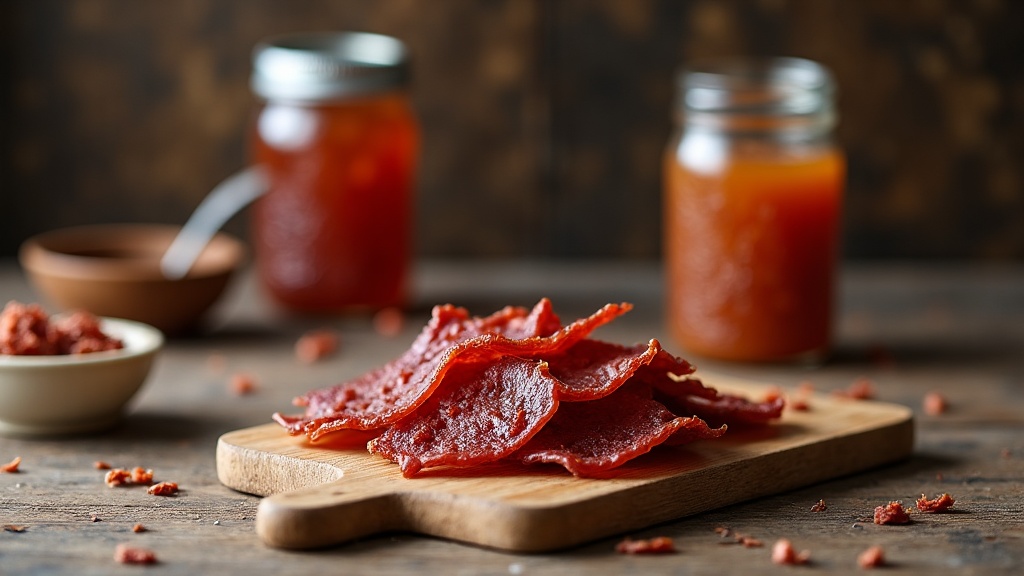
I’ve ruined enough jerky batches in my garage to know where this topic goes sideways fast. You can usually re-dry jerky if you stored it too soon and it picked up a little surface moisture, but only if it still looks, smells, and feels safe. The important question is whether the batch is simply under-dried or whether it spent enough time warm and damp for spoilage to start.
If you are trying to get a batch right without wasting good meat, That distinction matters because a second drying cycle can fix texture, but it cannot undo contamination. If mold, sour odors, or slime showed up while the jerky sat sealed, more heat is not a rescue plan.
The Short Answer
Yes, you can re-dry jerky that was stored too soon if you caught it early and it still seems normal. If the strips only feel softer or tackier than they should, with no off smell or visible growth, putting them back in the dehydrator is a practical fix.
If the jerky smells sour, feels slimy, shows white, green, or fuzzy spots, or sat sealed while still warm long enough to make you uncertain, throw it out. Re-drying helps finish the batch, not make questionable meat safe again.
What Is Causing the Problem
Jerky often feels done on the outside before the thicker parts have fully finished drying. Once you bag it too early, that leftover moisture redistributes through the batch and the strips feel softer the next day.
- The center of thicker pieces was still holding moisture even though the surface felt dry.
- The jerky was packed while warm, which created condensation inside the bag or container.
- The slices were uneven, so part of the batch needed more time than the rest.
- The jerky was not cooled before storage, making the final texture harder to judge accurately.
That is why a batch can look perfect coming off the racks and still seem under-dried later. The moisture did not appear out of nowhere; it was already in the meat and shifted after storage.
How I Fix It Batch to Batch
If the jerky still passes the smell and visual check, I put it back on the racks in a single layer and dry it again gently. The goal is to finish the batch evenly, not hammer it with extra heat.
- Separate every piece so air can reach all sides.
- Run the dehydrator at the usual jerky temperature instead of turning it hotter.
- Start checking the thinner pieces early and pull them first.
- Let the full batch cool completely before testing texture and packing it again.
Short re-drying sessions work better than guessing and overcorrecting. If the problem is minor, a little more time is usually enough to bring the texture back where it should be.
What to Check First
Before you try to save the batch, treat it like a food safety decision first and a texture problem second.
- Smell for anything sour, rancid, or unusual.
- Look for mold, fuzzy growth, or pale spots that do not wipe away.
- Feel for slime versus normal flexibility or slight tackiness.
- Think about how long it sat sealed, how warm it was, and whether the room was humid.
If all the signs point to simple residual moisture, re-drying makes sense. If any of those checks raise doubts, discarding the batch is the safer call.
When to Toss It and Start Over
Toss the jerky if you see mold, notice slime, smell anything off, or know it spent too long stored warm and damp. Those are spoilage warnings, not minor quality issues.
You should also discard it if you cannot confidently tell how long it stayed in that questionable state. With homemade jerky, uncertainty is usually the sign to stop trying to save it.
Bottom Line
Re-drying jerky is a useful fix for a batch that was packaged a little too early and only softened because moisture equalized after storage. It works when you catch the issue early and the jerky still seems completely normal aside from texture.
For future batches, let the jerky cool, test the thickest pieces, and give it a short conditioning period before long-term storage. That extra patience prevents most of these problems.
Greasy jerky usually means the problem started before the dehydrator ever got warm. I see it most often when the meat still has visible fat seams, when the strips are cut too thick for the amount of fat left on them, or when the marinade has enough oil or sugar to make the surface feel slick even after the meat dries. If you fix only the drying time and ignore those earlier decisions, the next batch often comes out disappointing in exactly the same way.
When I troubleshoot a greasy batch, I check the strips in this order: visible fat pockets, slice thickness, dehydrator airflow, and then marinade composition. Visible fat is the first thing I care about because fat does not dehydrate the way lean meat does. It softens, renders a little, and sits on the surface. That is why a batch can feel oily even when the lean parts are technically dry enough.
I also pay attention to whether the greasy feel is actually warm surface moisture or true fat. If the batch feels slick right out of the dehydrator but firms up after cooling on a rack for ten to fifteen minutes, the issue may be carryover warmth instead of a failed batch. If it still leaves residue on your fingers after cooling, I start assuming I missed too much fat or pushed the marinade in the wrong direction.
If you want the easiest fix next time, start with a leaner cut and trim more aggressively than feels necessary. Eye of round, top round, and venison are a lot more forgiving than marbled beef when your goal is clean, shelf-stable jerky. I would rather lose a little raw weight on the cutting board than spend five hours dehydrating a batch that still feels greasy when it finishes.
The dehydrator setup matters too. When strips overlap, hang too close together, or sit in a machine with weak airflow, moisture and rendered fat linger longer on the surface. That can make you think the marinade is the whole problem when the real issue is that the batch never had enough even circulation to dry cleanly. Rotating trays and leaving space between strips fixes more texture problems than most beginners expect.
For readers trying to save a borderline batch, I would blot the strips with paper towels after cooling, then return them to the dehydrator for a short extra cycle only if the inside still bends wet. If the grease keeps surfacing after that, I would refrigerate the batch and eat it fast instead of treating it like pantry jerky. That is not the ideal outcome, but it is better than pretending a fatty batch suddenly became shelf stable.
On the next batch, I would make one deliberate change before anything else: trim every obvious fat seam and slice a test strip before cutting the whole roast. That quick check tells you whether the meat is still carrying more fat than you want and whether your thickness target is realistic for the dehydrator you are using. It is a small step, but it saves a lot of frustration later.
I also think it helps to separate flavor goals from storage goals. A richer, fattier strip can taste great warm, but it is a worse fit if you want jerky that stays clean, dry, and stable for days. Once you decide which outcome matters more, the trim level, marinade, and drying time decisions get a lot easier.
What I Would Change on the Next Batch
When a batch does not quite hit the mark, I almost never start by reinventing everything. I look at the cut, slice thickness, marinade balance, and drying setup in that order, because those four variables explain most of the wins and failures I see in home jerky.
I also think the smartest home cooks keep notes on what the batch actually did, not just whether it tasted good in the moment. Texture after cooling, yield, cleanup, and next-day chew tell you more than the first warm bite off the tray.
That habit is what turns one decent batch into a repeatable method. It also keeps you from blaming the wrong variable and chasing fixes that do not actually solve the real problem.

