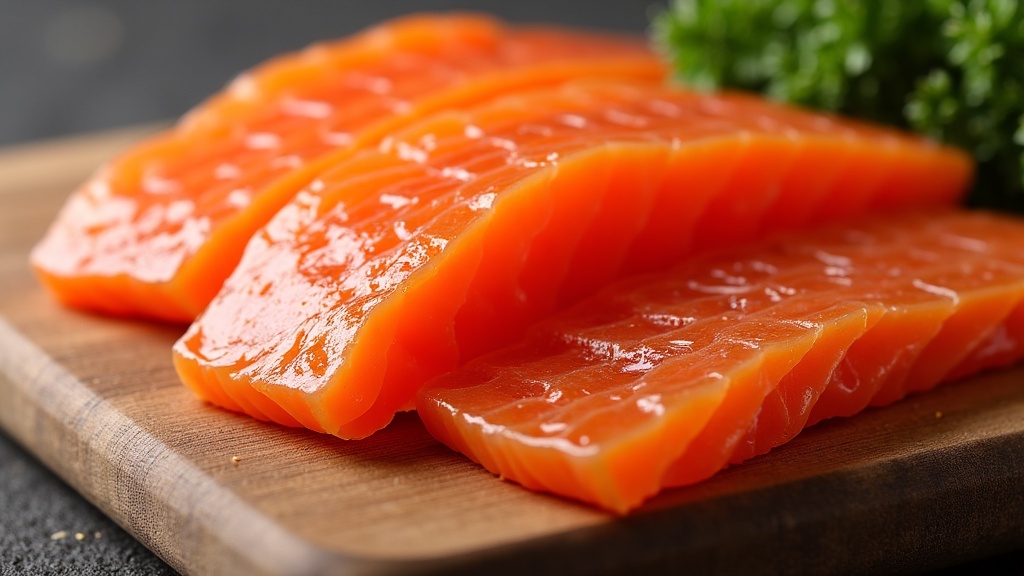
I have ruined enough fish batches to tell you salmon jerky is not hard, but it is less forgiving than beef. Yes, you can make salmon jerky at home, and a good batch is rich, smoky, and a lot more interesting than the dried fish snacks most people picture. The problem is that salmon has more fat, softer flesh, and a narrower margin for error, so a sloppy process shows up fast in the final texture.
When people say their batch came out weird, it is usually one of three things: the strips were uneven, the heat was too aggressive, or they guessed at doneness based on time instead of the thickest piece. If you control those three variables, homemade salmon jerky is absolutely doable.
The Short Answer
Yes, you can make salmon jerky at home in a dehydrator, a low-temperature smoker, or an oven that can stay gentle enough while letting moisture escape. The best home method is to slice the salmon evenly, marinate it in the fridge, dry it at moderate heat with good airflow, and store it cold unless you have dried it very firmly and know your process is repeatable.
Why Salmon Jerky Is Different From Beef Jerky
Salmon is not just “beef jerky, but fish.” It behaves differently because the flesh is softer and the fat content is higher. That changes drying time, texture, and storage life.
- It dries unevenly faster: tail sections and thin belly edges can over-dry while the thicker center is still soft.
- The oils matter: salmon can look glossy even when it is close to done, which makes visual cues trickier.
- It stores differently: a home batch usually belongs in the refrigerator, not sitting in a pantry jar like very dry beef jerky.
- It rewards disciplined prep: clean slices and modest heat make a bigger difference here than fancy marinade ingredients.
That is why I tell people to think of salmon jerky as a controlled drying project, not just a recipe. Technique carries the batch more than creativity does.
Best Cut and Prep Strategy
I like skinless salmon fillets for this because they are easier to portion cleanly. If the fillet has a very thin tail section, trim that off or use it for something else. Otherwise, the thin end turns brittle long before the thicker strips finish.
My favorite prep trick is a short freezer rest before slicing. Give the fillet 30 to 45 minutes so it firms up without freezing solid. That makes it much easier to cut clean, even strips instead of ragged pieces that all dry at different speeds.
- Aim for roughly 1/4-inch strips.
- Slice with the grain if you want a firmer chew.
- Slice across the grain if you want a more tender bite.
- Trim obvious ragged edges that will dry too fast.
On a first batch, I would rather see slightly smaller, more uniform strips than thick “hearty” pieces that stay damp in the middle.
A Marinade That Actually Fits Salmon
Salmon does not need a heavy, sugary jerky marinade. Too much sugar can make the surface tacky and slow the drying. I get better results with a cleaner, salt-forward mix that seasons the fish without burying it.
A solid baseline marinade for about 2 pounds of salmon is:
- 1/3 cup soy sauce
- 1 tablespoon brown sugar or honey
- 1 tablespoon rice vinegar or apple cider vinegar
- 1 teaspoon black pepper
- 1 teaspoon garlic powder
- 1/2 teaspoon onion powder
- Optional: a little smoked paprika or red pepper flakes
I usually marinate 4 to 8 hours in the refrigerator. Longer than that can start pushing the texture in a mushy direction, especially on thinner pieces. This is one of those times where more marinade time is not automatically better.
Step-by-Step Method
- Trim and slice the salmon evenly. Consistency matters more than speed here.
- Marinate in the refrigerator. Keep the fish cold the whole time.
- Pat the strips dry before loading trays. Wet surfaces steam and slow the batch down.
- Space the strips out. Crowded trays trap moisture and create uneven drying.
- Dry at about 145°F to 160°F. The sweet spot is gentle heat plus airflow, not aggressive blasting.
- Rotate trays if your machine runs unevenly. Most home dehydrators have hot spots.
- Start checking early. Pull finished pieces in stages if thinner strips are done first.
In a dehydrator, most batches land somewhere around 3 to 6 hours. In a smoker or oven, it can wander more depending on how well the setup moves moisture. I never trust the clock alone on fish jerky.
Time, Texture, and Doneness Cues
This is where most home batches are won or lost. Good salmon jerky should feel dry on the surface, bend with resistance, and tear without exposing a wet center.
- The surface should feel dry or just slightly leathery, not sticky.
- The strip should bend and resist instead of folding like cooked salmon.
- When you tear the thickest piece, the center should look dry rather than glossy or soft.
- After a short cooling period, the texture should tighten up more, not feel wetter.
Because salmon has natural oils, a little sheen does not automatically mean it is underdone. The better test is always the thickest strip after it cools for a few minutes.
Food Safety and Storage Reality
This is the part people tend to underplay. Homemade salmon jerky is not something I treat casually. Fish is fattier than lean beef, and that fat shortens storage life even when the batch looks great.
My practical rule is simple:
- Short-term use: refrigerate it in a sealed container and eat it within a few days.
- Longer holding: vacuum seal or bag it tightly and freeze it.
- Room-temperature storage: only if it was dried very firmly, handled carefully, and you are confident in the batch.
If a piece feels damp in the middle, smells off, or sweats in the container, I would not debate it. I would toss it. Fish jerky is not where I like gambling on “probably fine.”
Mistakes That Ruin the Batch
- Uneven slicing: thick center pieces stay underdone while thin pieces turn brittle.
- Too much sugar in the marinade: the outside gets sticky and dries poorly.
- Too much heat: oils push out, edges toughen, and the center can still lag behind.
- Trusting time instead of texture: every machine runs a little differently.
- Treating it like shelf-stable beef jerky: that is where storage mistakes happen.
The batches I regret were almost never ruined by lack of seasoning. They were ruined by impatience.
What I Would Watch on a First Batch
If this were your first try, I would keep the batch small and pay attention to three things: whether the thinner pieces are racing ahead, whether the surface is drying cleanly instead of staying tacky, and whether the thickest strip still looks moist when torn. Those three clues tell you more than any timer does.
I would also taste one piece only after it cools. Warm jerky lies. A strip that seems perfect off the tray can reveal a soft center or greasy finish once it settles.
Bottom Line
Yes, you can make salmon jerky at home, and it is genuinely worth doing if you want something richer and more interesting than standard beef jerky. The keys are even slicing, a clean marinade, moderate heat, steady airflow, and enough patience to judge doneness by texture instead of by the clock.
If you respect the fat content and store it like fish, not like ultra-dry beef jerky, it becomes a repeatable home project instead of a one-time experiment.

