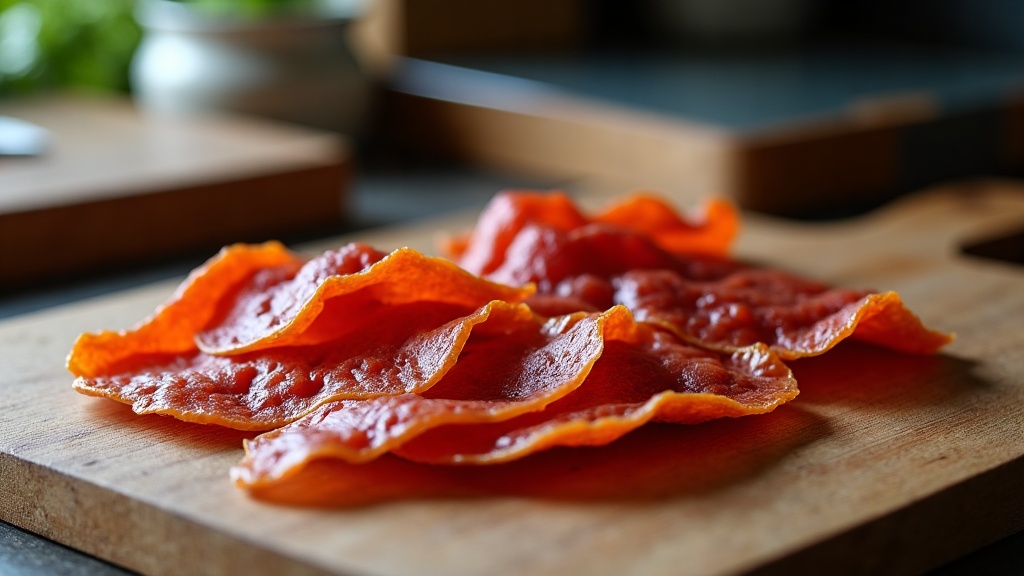
I’ve ruined enough jerky batches in my garage to know where this topic goes sideways fast. If your jerky came out tough, the usual problem is not the recipe. It is almost always one of three things: you dried it too long, sliced it the wrong way, or started with strips that were too thin to survive the full run.
The frustrating part is that finished jerky does not fully recover once it has gone leathery. You can soften a batch a little, but the real fix is diagnosing exactly where the texture went wrong so the next batch lands in that chewy sweet spot instead of fighting back on every bite.
The Short Answer
To fix jerky that is too tough right now, seal it overnight in a container and add a slightly damp paper towel or small piece of bread so a little moisture can move back through the strips. Keep that moisture source from touching the meat directly. This will not make over-dried jerky perfect, but it can make it easier to chew.
For the next batch, slice thicker, cut against the grain if you want a more tender bite, and begin checking for doneness earlier than you think you need to. Tough jerky is usually made in the final stretch of drying, not the first few hours.
What Is Causing the Problem
When I get a batch that feels hard instead of pleasantly chewy, I work backward through the process. Texture problems usually come from a stack of small decisions rather than one huge mistake.
- Over-drying is the main culprit. An extra 30 to 60 minutes can push jerky from done to leathery fast.
- Slicing with the grain leaves long muscle fibers intact, which makes each strip tougher to bite through.
- Very thin slices dry unevenly and lose their ideal texture before you notice the outside is already finished.
- Long marinades heavy in salt, soy, or acid can tighten the meat and make the final texture firmer.
The cut matters too. Eye of round, top round, and bottom round all make good jerky, but they are still lean working muscles. If you pair a lean cut with thin slices and a long dry time, toughness is the predictable result.
How I Fix It Batch to Batch
I do not treat tough jerky like a mystery. I make one or two process changes, then compare the next run. That is the fastest way to dial in your own setup because every dehydrator and smoker dries a little differently.
- Move slice thickness closer to 1/4 inch if the last batch was on the thin side.
- Cut against the grain for easier chewing, especially if the current batch feels stringy rather than just dry.
- Shorten the dry time and start checking pieces early by bending them instead of trusting the timer alone.
- Trim marinade time if your recipe is aggressive with soy sauce, curing salt, vinegar, Worcestershire, or citrus.
I also compare pieces from the thick and thin ends of the batch. If one side eats well and the other side is tough, that usually points to uneven slicing or uneven heat flow rather than a bad formula.
What to Check First
Before changing your whole method, check the finished jerky closely. A quick inspection usually tells you which variable caused the trouble.
- Bend a strip. Good jerky should flex and crack lightly, not snap like a twig.
- Look at the fibers. If the strip feels ropey and stringy, grain direction is probably part of the issue.
- Check thickness across several pieces because one thin tray can make you think the entire batch needed more time.
- Think about the last hour of the run, since that is when most people accidentally over-finish the meat.
If the flavor is still solid, the batch is still useful. Tough jerky is excellent chopped into beans, ramen, trail hash, or campfire eggs where it can pick up a little moisture and soften during cooking.
When to Toss It and Start Over
Toughness by itself is a quality problem, not automatically a safety problem. Dry, chewy, and leathery jerky can still be perfectly fine to eat if it was handled safely, dried properly, and stored without moisture getting back in.
Throw it out if you see mold, smell sourness or rot, notice grease going rancid, or find wet spots developing in storage. A batch that is merely over-dried can be learned from. A batch with spoilage signs is not worth testing your luck on.
Bottom Line
If your jerky is too tough, do not assume you need a whole new recipe. Most of the time you just need to pull the batch sooner, cut it a little thicker, or change the slice direction.
Use the current batch as a clue. Soften it slightly if you want, eat it in recipes if needed, and make the next run with tighter control over thickness and finish time. That is usually all it takes to go from leathery jerky to a clean, satisfying chew.
Greasy jerky usually means the problem started before the dehydrator ever got warm. I see it most often when the meat still has visible fat seams, when the strips are cut too thick for the amount of fat left on them, or when the marinade has enough oil or sugar to make the surface feel slick even after the meat dries. If you fix only the drying time and ignore those earlier decisions, the next batch often comes out disappointing in exactly the same way.
When I troubleshoot a greasy batch, I check the strips in this order: visible fat pockets, slice thickness, dehydrator airflow, and then marinade composition. Visible fat is the first thing I care about because fat does not dehydrate the way lean meat does. It softens, renders a little, and sits on the surface. That is why a batch can feel oily even when the lean parts are technically dry enough.
I also pay attention to whether the greasy feel is actually warm surface moisture or true fat. If the batch feels slick right out of the dehydrator but firms up after cooling on a rack for ten to fifteen minutes, the issue may be carryover warmth instead of a failed batch. If it still leaves residue on your fingers after cooling, I start assuming I missed too much fat or pushed the marinade in the wrong direction.
If you want the easiest fix next time, start with a leaner cut and trim more aggressively than feels necessary. Eye of round, top round, and venison are a lot more forgiving than marbled beef when your goal is clean, shelf-stable jerky. I would rather lose a little raw weight on the cutting board than spend five hours dehydrating a batch that still feels greasy when it finishes.
The dehydrator setup matters too. When strips overlap, hang too close together, or sit in a machine with weak airflow, moisture and rendered fat linger longer on the surface. That can make you think the marinade is the whole problem when the real issue is that the batch never had enough even circulation to dry cleanly. Rotating trays and leaving space between strips fixes more texture problems than most beginners expect.
For readers trying to save a borderline batch, I would blot the strips with paper towels after cooling, then return them to the dehydrator for a short extra cycle only if the inside still bends wet. If the grease keeps surfacing after that, I would refrigerate the batch and eat it fast instead of treating it like pantry jerky. That is not the ideal outcome, but it is better than pretending a fatty batch suddenly became shelf stable.
On the next batch, I would make one deliberate change before anything else: trim every obvious fat seam and slice a test strip before cutting the whole roast. That quick check tells you whether the meat is still carrying more fat than you want and whether your thickness target is realistic for the dehydrator you are using. It is a small step, but it saves a lot of frustration later.
I also think it helps to separate flavor goals from storage goals. A richer, fattier strip can taste great warm, but it is a worse fit if you want jerky that stays clean, dry, and stable for days. Once you decide which outcome matters more, the trim level, marinade, and drying time decisions get a lot easier.

