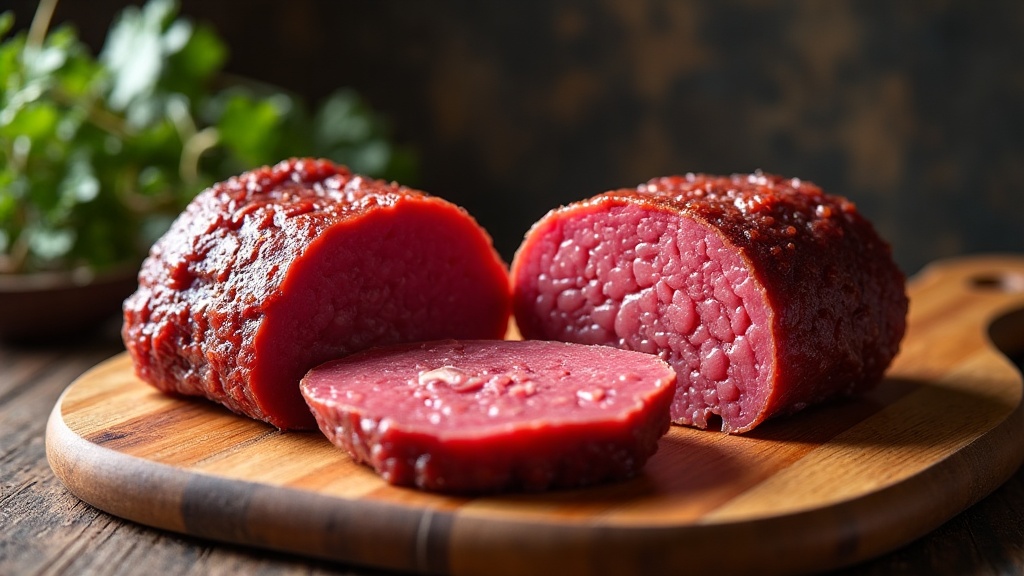
Top Round vs Bottom Round for Jerky: Which Cut Is Better?
After making jerky from both cuts for the past eight years, I’ll give it to you straight: top round is the better all-around choice for jerky, but bottom round can save you money if you’re willing to do a bit more prep work. I’ve run side-by-side batches dozens of times, and while the difference isn’t night-and-day, it’s consistent enough that I reach for top round about 70% of the time.
Here’s what you actually need to know about these two cuts — no food-blogger fluff, just what I’ve learned from 400+ batches in my garage setup.
The Core Difference Between Top Round and Bottom Round
Both cuts come from the cow’s rear leg (the round primal), but they’re from different muscles. Top round sits on the inside of the leg and gets less work during the cow’s life. Bottom round is on the outside and works harder, which makes it slightly tougher with more connective tissue running through it.
For jerky, this translates to:
- Top round: More uniform grain, easier to slice consistently, slightly more tender final product
- Bottom round: More varied grain direction, requires closer attention when slicing, can be chewier if not trimmed well
Neither one is “bad” — I’ve made great jerky from both. But top round is more forgiving, especially if you’re newer to this.
Head-to-Head Comparison
Here’s how they stack up across the factors that actually matter when you’re standing at the butcher counter:
| Factor | Top Round | Bottom Round |
|---|---|---|
| Price | $5-7/lb typically | $4-6/lb typically (10-15% cheaper) |
| Grain pattern | Consistent, easy to identify | More variable, multiple grain directions |
| Fat content | Very lean, minimal trimming | Lean, but more silverskin/connective tissue |
| Slicing ease | Straightforward | Requires more attention |
| Final texture | Tender-chewy (ideal) | Chewy to tough if not prepped right |
| Beginner-friendly? | Yes | Moderate — needs more knife work |
| Best for | All-purpose, first batches, gifting | Budget batches, when you want extra chew |
Price: Is Bottom Round Worth the Savings?
Bottom round runs about 10-15% cheaper than top round at my local butcher and most grocery stores. On a 5-pound batch, that’s maybe $3-5 in savings. Not nothing, but not a game-changer either.
Here’s my take after years of buying both: if I’m making jerky for myself or people who like a chewier texture, I’ll grab bottom round. If I’m making a batch for the kids’ soccer team or giving it as gifts, I go with top round. The extra few bucks buys me peace of mind that it’ll turn out consistently good without babysitting the slicing.
One thing to watch: bottom round has more connective tissue you’ll need to trim away. That “waste” can eat into your cost savings if you’re not careful with your knife work. I typically lose another 5-8% to trimming on bottom round versus 2-3% on top round.
Texture and Flavor Differences
Let’s be real: if you’re using a good marinade and proper dehydrating technique, the flavor difference is minimal. I’ve done blind taste tests with my family, and nobody can consistently tell them apart once they’re seasoned and dried.
The texture is where you’ll notice the difference:
Top Round Texture
Sliced against the grain at 1/4 inch thick, top round gives you that ideal tender-chewy bite. It’s got some tooth to it, but it’s not a jaw workout. When I’m dialing in a new marinade recipe, I always use top round because the more uniform texture lets me actually evaluate the seasoning without the variable of inconsistent chewiness.
Bottom Round Texture
Bottom round has more muscle fiber variation, which means it can range from “good chew” to “tough as hell” depending on how well you sliced it. When you nail the grain direction and trim properly, it’s perfectly fine — maybe even preferable if you like your jerky with more bite. But there’s less margin for error.
I’ve noticed bottom round also tends to dry slightly faster because the muscle fibers are tighter. Not a huge difference, but I usually check it 30-45 minutes earlier than I would with top round.
How to Prep Each Cut for Best Results
Top Round Prep
- Trim the fat cap: There’s usually a thin layer on one side — slice it off
- Identify the grain: Look for the parallel lines running through the meat
- Freeze 1-2 hours: Makes slicing way easier, especially if you’re doing it by hand
- Slice against the grain: 1/4 inch for tender jerky, 3/8 inch if you want more chew
Bottom Round Prep
- Trim aggressively: Look for the silvery connective tissue (silverskin) and cut it out — it won’t break down during drying
- Separate muscle groups: Bottom round often has 2-3 distinct muscle sections with different grain directions. I separate them and treat each as its own piece
- Freeze 1-2 hours: Even more critical here because the varied texture makes hand-slicing harder
- Pay attention to grain direction: Check each muscle section separately — don’t assume they all run the same way
- Slice slightly thinner: I go 3/16 to 1/4 inch to compensate for the tougher fibers
The extra 10 minutes of prep on bottom round is the difference between “pretty good jerky” and “jerky that makes your jaw tired.” Don’t skip the trimming.
Which One Should You Buy?
After hundreds of batches with both cuts, here’s my honest recommendation:
Choose top round if:
- You’re new to making jerky (more forgiving)
- You’re making jerky as a gift
- You prefer tender-chewy texture
- You want consistent results without thinking too hard about it
- You’re slicing by hand without a commercial meat slicer
Choose bottom round if:
- You’re comfortable with knife work and trimming
- You like chewier jerky texture
- You’re making large batches and cost matters
- You have a good meat slicer (makes handling varied grain easier)
- You’re making it for yourself or people who like a serious chew
Personally? I keep both in rotation. I buy top round in 2-3 pound pieces for “normal” batches and gift jerky. I’ll grab a bigger bottom round roast (5-8 lbs) when it’s on sale and I’m stocking up for football season or camping trips.
Tips That Apply to Both Cuts
Regardless of which round you choose, these habits have saved me from subpar batches:
- Talk to your butcher: Ask which cut they recommend for jerky that day. Sometimes one cut is fresher or better trimmed than the other
- Buy whole roasts, not pre-sliced: “Stir fry beef” or pre-cut strips are convenient but usually cost more per pound and might not be cut against the grain properly for jerky
- Check the color: Deep red is good, brown or gray spots are bad. Fresh beef = better jerky, every time
- Partially freeze before slicing: I cannot stress this enough. 90 minutes in the freezer turns both cuts from “slippery and annoying” to “slices like butter”
- Keep your knife sharp: A dull knife will tear the meat fibers instead of cutting clean. I sharpen mine before every big batch
My Standard Method for Either Cut
Since I’ve tested this dozens of times with both cuts, here’s the process I always come back to:
- Buy a 3-5 lb roast (top or bottom round)
- Trim fat and connective tissue (more work on bottom round)
- Freeze 90 minutes until firm but not rock-solid
- Slice against the grain at 1/4 inch thick
- Marinate 6-12 hours in my go-to marinade
- Pat dry with paper towels
- Load onto dehydrator trays in single layers
- Dry at 160°F for 4-6 hours, checking after 4
- Let cool and test the bend — should crack slightly but not snap clean through
This method works for both cuts. The only difference is bottom round might finish 30-45 minutes earlier, and I spend more time on step 2.
Frequently Asked Questions
Can you mix top round and bottom round in the same batch?
Sure, but I don’t recommend it for your first few batches. The different textures mean they might dry at slightly different rates, so you’ll need to pull pieces individually as they finish rather than doing the whole batch at once. If you do mix them, mark which pieces are which (I use toothpicks) so you can check the bottom round earlier.
Is eye of round better than top or bottom round for jerky?
Eye of round is another solid choice — it’s extremely lean and uniform, so it makes consistent jerky. It’s usually a bit pricier than top round and can be harder to find in large pieces. I’d rank it slightly above top round for texture but below it for value. If you see it on sale, grab it, but I wouldn’t go out of my way to hunt it down.
Does bottom round need to marinate longer than top round?
Not really. I use the same 6-12 hour marinade time for both. The tougher muscle fibers in bottom round won’t magically soften with extra marinade time — that’s determined by how you slice it. Save yourself the time and stick to your normal marinating schedule.
Which cut is better for ground jerky?
This is the one case where bottom round actually has a slight edge. Since you’re grinding it anyway, the tougher texture and varied grain don’t matter. Bottom round’s slightly tighter muscle fibers can give ground jerky a firmer final texture, which some people prefer. Plus you save a few bucks. I use bottom round for about 80% of my ground jerky batches.
How much jerky does 5 pounds of top or bottom round make?
After trimming, marinating, and dehydrating, you’ll get roughly 1.5-2 pounds of finished jerky from 5 pounds of raw meat. Bottom round yields slightly less due to the extra trimming needed. Plan on about 65-70% loss for top round, 70-75% loss for bottom round.

