After eight years of running batches in my garage and selling at farmers markets, craft fairs, and online, I can tell you exactly what moves: beef jerky dominates, but the real money-makers might surprise you. The best-selling dehydrated foods combine high profit margins, repeat customers, and products people actually want to buy more than once.
I’ve tracked my sales religiously since year two, tested dozens of products, and watched what flies off the table versus what sits there looking sad. Here’s what actually sells when you’re dehydrating for profit.
The Top 5 Best-Selling Dehydrated Foods
Not all dehydrated products are created equal. Some have razor-thin margins, others require expensive ingredients or certifications. After years of testing, these five consistently outperform everything else.
1. Beef Jerky (The Obvious King)
Beef jerky is the heavyweight champion for a reason. People know what it is, they’re willing to pay premium prices, and if your flavor game is strong, you’ll get repeat customers. I sell 3-ounce bags for $12-15, and my ingredient cost is about $4.50 per bag using eye of round from Costco.
The profit margin sits around 60-70% after packaging, which beats almost everything else you can dehydrate. The challenge? Competition is fierce, and you need killer recipes to stand out. My eye of round cuts come from bulk buying, which keeps costs manageable.
Why it sells: High perceived value, masculine gift appeal, established market demand, long shelf life, easy to sample at markets.
2. Dog Treats (The Sleeper Hit)
This one shocked me. Dehydrated dog treats—especially sweet potato chips and chicken jerky—sell like crazy and have better margins than beef jerky for humans. I charge $8 for a 4-ounce bag of sweet potato dog chews, and my ingredient cost is under $1.50.
Dog owners will spend stupid money on their pets, and they love “all-natural, single-ingredient” treats. I’ve had customers buy six bags at once because their dog “goes crazy for them.” The barrier to entry is lower too—people are less picky about appearance when it’s for their dog.
Why it sells: Massive margins, emotional purchasing (pet owners), less competition than human snacks, simple ingredients. Just grab some sweet potatoes in bulk and you’re in business.
3. Fruit Leathers
Fruit leathers are the gateway product for parents. They’re shelf-stable, kid-friendly, and you can market them as “no added sugar” if you use ripe fruit. I sell 5-pack rolls for $10, and my ingredient cost is about $2.50 using seasonal fruit from the orchard.
The downside? They’re labor-intensive to portion and roll, and you need parchment paper or fruit leather sheets for your dehydrator. But once you dial in your process, they move consistently.
Why it sells: Health-conscious parents, lunchbox appeal, unique flavors possible (strawberry-basil, mango-lime), Instagram-worthy product.
4. Dried Fruit (Especially Pineapple and Mango)
Plain dried fruit doesn’t excite me like jerky does, but it sells steadily with minimal effort. Pineapple rings and mango slices are the MVPs—they’re candy-sweet, look impressive, and people will impulse-buy them at farmers markets.
I charge $6 for a 2-ounce bag of dried pineapple. My cost is around $2 per bag using fresh pineapple from my local wholesale produce supplier. The margins aren’t as good as jerky, but the prep is braindead easy: slice, dehydrate, bag.
Why it sells: Universal appeal, no acquired taste needed, vegetarian/vegan-friendly, works as both snack and baking ingredient. Stock up with a quality pineapple corer and slicer to speed up prep.
5. Vegetable Chips (Kale, Beet, Sweet Potato)
Veggie chips hit the health-food crowd hard. Kale chips especially—they’re trendy, expensive to buy at stores ($6-8 for a tiny bag), and cheap to make. A single bunch of kale costs me $1.50 and makes 3-4 bags that I sell for $5 each.
Beet chips and sweet potato chips also perform well, though they take longer to dehydrate. The key is seasoning—plain veggie chips are boring, but add some nutritional yeast, garlic powder, and sea salt, and suddenly you’ve got a “gourmet” product.
Why it sells: Health halo effect, trendy, high perceived value versus actual cost, great margins on kale.
Profit Margin Comparison: What Actually Makes Money
Here’s the cold, hard math on what I’ve sold over the past three years. These numbers are based on my ingredient costs buying in bulk and selling at farmers markets and online.
| Product | Ingredient Cost | Sell Price | Profit Margin | Demand Level |
|---|---|---|---|---|
| Beef Jerky (3oz) | $4.50 | $13.00 | 65% | Very High |
| Dog Treats (4oz) | $1.50 | $8.00 | 81% | High |
| Fruit Leathers (5-pack) | $2.50 | $10.00 | 75% | Medium-High |
| Dried Pineapple (2oz) | $2.00 | $6.00 | 67% | Medium |
| Kale Chips (1oz) | $0.50 | $5.00 | 90% | Medium |
| Turkey Jerky (3oz) | $3.80 | $11.00 | 65% | Low-Medium |
The winner? Kale chips have the highest margin, but beef jerky has the volume. Dog treats split the difference—great margins with solid, consistent demand.
What Doesn’t Sell (Lessons From Failures)
I’ve wasted time and money on products that looked good on paper but bombed hard. Here’s what to avoid:
- Dehydrated mushrooms: People don’t know what to do with them. They’d ask “how do I use these?” and then walk away.
- Banana chips: Everyone thinks they can make them, so there’s no perceived value. Store-bought versions are cheap, and customers know it.
- Zucchini chips: They taste like sadness. Even with heavy seasoning, they don’t excite anyone.
- Exotic jerky (venison, elk): Too expensive to source, and most people want beef. Save the exotic stuff for custom orders.
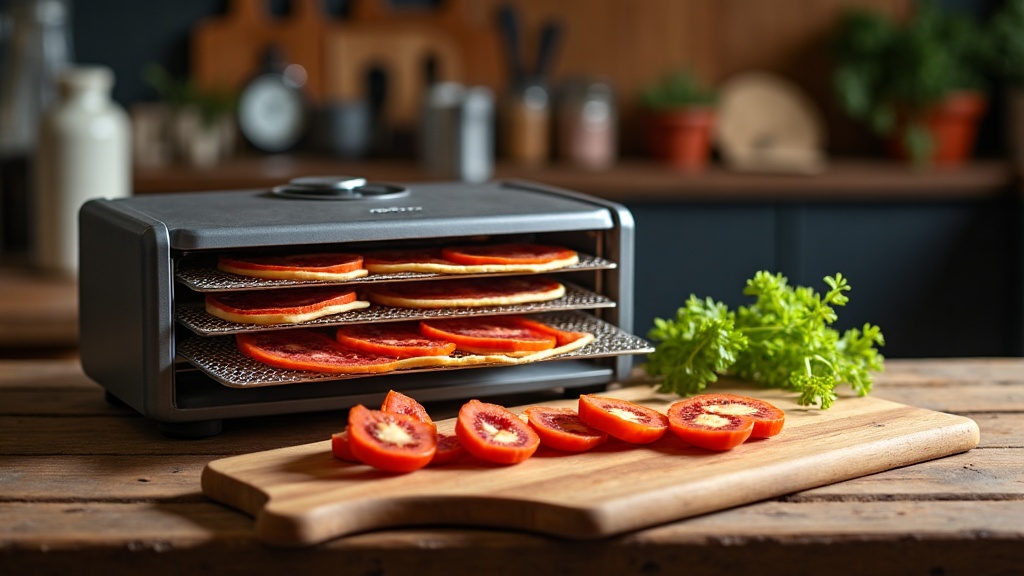
- Tomato leather: It sounds interesting, but nobody wants fruit-roll-up-style tomato products. Trust me.
What Makes a Dehydrated Food “Sell Well”?
After running hundreds of batches and tracking sales for years, the best-selling dehydrated foods share these traits:
High Profit Margins
If your ingredient cost is more than 35% of your selling price, you’re working too hard for too little. Factor in electricity, packaging (I use mylar bags with zip locks), labels, and your time. The best products have 65%+ margins.
Repeat Purchase Potential
One-time novelty products don’t build a business. You want customers coming back. Jerky and dog treats crush this category—I’ve got customers who buy from me every single market because their dog or their husband burns through a bag a week.
Shelf Stability
If it goes bad in two weeks, you can’t stockpile for big events or sell online efficiently. Everything on my best-seller list lasts 6-12 months when stored properly. That’s the magic of dehydration.
Minimal Licensing Headaches
Different states have different rules. Some require commercial kitchen certifications for meat products, others let you operate under cottage food laws for non-meat items. Dog treats often have the fewest restrictions. Check your local regulations before you commit to a product line.
Scaling Up: What Sells Best Online vs. At Markets
Sales channels matter. What crushes it at farmers markets might flop online.
Best for farmers markets: Beef jerky, fruit leathers, anything customers can sample. People buy with their noses and taste buds. Demos are your secret weapon.
Best for online sales: Dog treats and niche jerky flavors. Pet owners will buy without sampling, and jerky enthusiasts hunting for specific flavors (Carolina reaper, bourbon maple) will order based on descriptions and reviews.
Best for wholesale/gift shops: Pre-packaged variety packs, fruit and nut mixes, anything shelf-stable with professional packaging. Gift shops want products they can markup 50% and sell to tourists.
Getting Started: My Recommendation
If you’re new to selling dehydrated foods, start with two products: beef jerky and dog treats. Jerky proves you can handle the food-safety side and gives you a flagship product. Dog treats give you easy wins and cash flow while you dial in your jerky recipes.
Don’t try to be everything to everyone. Pick two products, make them excellent, build a customer base, then expand. I spent my first year only selling three jerky flavors and sweet potato dog chews. That focus let me perfect my process, build repeat customers, and actually make money instead of spinning my wheels with a dozen mediocre products.
You’ll need a quality commercial-grade dehydrator if you’re serious about volume—don’t try to scale with a countertop unit.
Frequently Asked Questions
What dehydrated food has the highest profit margin?
Kale chips and dog treats have the highest profit margins, often 80-90%, because the ingredient costs are incredibly low compared to selling prices. However, beef jerky offers the best combination of high margins (65-70%) and consistent, high-volume demand. I make more money overall from jerky because I sell 10x the volume compared to kale chips.
Do you need a license to sell dehydrated food?
It depends on your state and what you’re selling. Most states require at least a cottage food license for non-meat products like dried fruit and vegetable chips. Meat products (jerky) typically require commercial kitchen certification and USDA inspection in many states. Dog treats often have the fewest restrictions. Check your state’s Department of Agriculture cottage food laws and local health department regulations before you start selling.
How much can you make selling dehydrated foods?
At farmers markets, I average $400-800 per event with a 65% profit margin, which nets me $260-520 for 6 hours of selling (plus prep time during the week). Online sales add another $500-1200 monthly in passive income. This is part-time—I know people running it full-time who clear $3,000-5,000 monthly, but they’re running multiple dehydrators, doing wholesale accounts, and working it like a real business.
What’s the easiest dehydrated food to sell?
Dog treats, hands down. Sweet potato chips for dogs are absurdly easy: slice sweet potatoes into 1/4-inch rounds, dehydrate for 10-12 hours, bag them up. No marinades, no seasoning complexity, no food safety anxiety about meat. Dog owners will buy them without samples, the margins are incredible, and dogs aren’t picky critics. It’s the perfect beginner product.
Is selling dehydrated food profitable?
Yes, if you pick the right products and markets. My gross margins are 65-80% on everything I sell, which is better than most food businesses. The keys to profitability: buy ingredients in bulk, minimize labor per batch (simple recipes), and focus on high-margin products like jerky and dog treats. Avoid products with expensive ingredients or low perceived value. You won’t get rich, but you can build a solid side income or small business that actually makes money.

