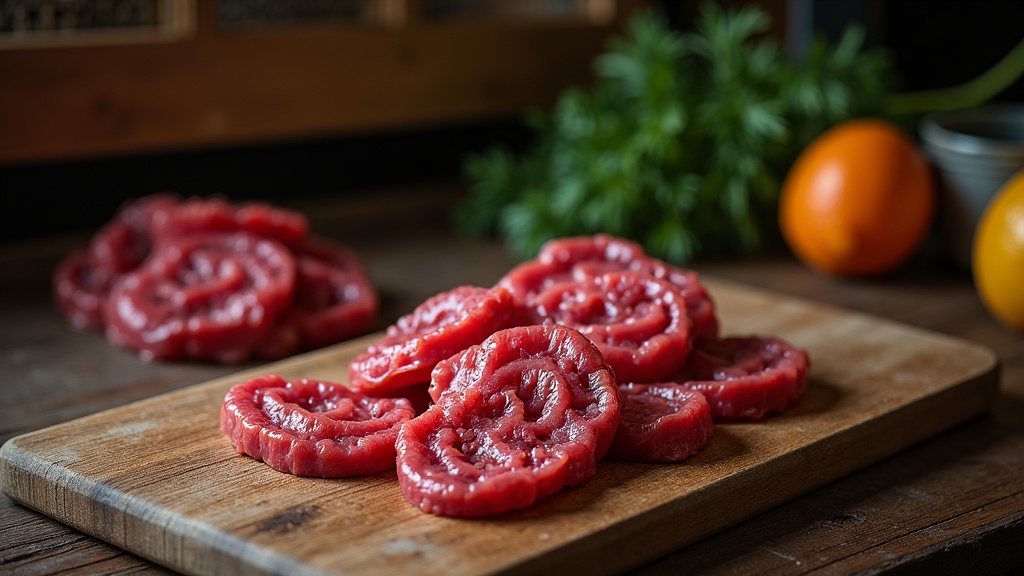
I’ve ruined enough jerky batches in my garage to know where this topic goes sideways fast. Dry-aged beef trimmings are not automatic trash, and they are not automatic gold either. Once you clean up a dry-aged steak or subprimal, what is left is usually a mix of usable interior meat, strong-flavored fat, and a hard outer bark that has already given up most of what it had to offer.
The move is to sort those pieces aggressively instead of treating the whole pile like premium scrap. If you keep the clean interior bits and ditch the leathery exterior, you can turn expensive leftovers into burgers, tallow, pan sauces, and seriously beefy add-ins without dragging weird funky flavor through the whole batch.
The Short Answer
The best thing to do with dry-aged beef trimmings is separate them into three groups: usable meat, usable fat, and waste. Good interior meat can be ground, chopped, or folded into cooked dishes. Clean fat can be rendered or blended into burger grind. The dark, papery, over-dried bark usually belongs in the trash.
Think of dry-aged trimmings as a flavor concentrate, not a free-for-all. A little of the good stuff adds deep nutty beef flavor. Too much oxidized fat or dried crust makes everything taste old, dusty, or strangely blue-cheesy in the bad way.
What Parts Are Actually Worth Saving
This is where most people either waste too much or save too much. You want the section that still looks and feels like meat, not the parts that only vaguely remember being meat.
- Save: dense interior trim with a deep red center and no leathery exterior.
- Maybe save: firm creamy fat if it smells clean and not stale.
- Usually toss: the dark bark that feels hard, dry, or jerky-like before cooking.
- Always toss: anything slimy, sour, or clearly off.
If you are trimming a whole dry-aged roast, you will often find that the best salvageable pieces are right under the crust. Trim a little deeper than feels emotionally comfortable. That extra restraint is what keeps the final food tasting rich instead of funky.
Best Uses for the Good Trimmings
Once you have separated the keepers, the best uses are the ones where a small amount of concentrated flavor matters more than perfect steak texture.
- Blend the meat into burgers with fresh chuck instead of grinding a whole batch from trim alone.
- Chop it fine for a steakhouse-style pan sauce, hash, or pasta ragù.
- Render clean fat into tallow for potatoes, onions, mushrooms, or eggs.
- Freeze small portions so you can use a little at a time instead of forcing one big project.
My favorite move is mixing a modest amount of dry-aged trim into a regular burger grind. You get the deep aged flavor without crossing into “why does this taste like the back shelf of the fridge” territory.
What Usually Goes Wrong
Dry-aged trimmings disappoint people when they assume every offcut is premium by definition. Dry aging concentrates the good flavors, but it also concentrates the bad ones if you keep pieces that have already gone too far.
- The bark can taste bitter, dusty, or overly funky once it is ground into everything else.
- Exposed fat oxidizes faster than interior meat and can make the batch taste stale.
- Small trim pieces overcook fast, so any off flavor gets amplified.
- One bad piece in the grinder can ruin a whole bowl of otherwise good meat.
That is why dry-aged trim needs more judgment than fresh steak scraps. You are not just deciding what is edible. You are deciding what is worth letting flavor the rest of the dish.
How to Test Before You Commit the Whole Batch
Before you grind, sauce, or freeze anything, cook one small piece in a skillet. That quick test tells you more than staring at it ever will.
- Good sign: nutty, beefy, concentrated, maybe a little funky but still clearly pleasant.
- Bad sign: sour, dusty, stale, aggressively blue-cheese-like, or just weirdly old.
- Texture check: usable meat should still chew like meat, not like bark.
- Fat check: clean fat should smell rich; tacky gray fat should not make the cut.
If the test bite tastes great, keep going. If it tastes borderline, do not talk yourself into it because the roast was expensive. Dry-aged beef is only special when the trimmed pieces still taste clean under all that concentration.
When to Toss It and Move On
Throw dry-aged trimmings away if they smell putrid, feel slimy, or are mostly just bark and oxidized fat. Once those scraps are separated from the larger roast, they have less protection and less margin for error. This is not the place to get heroic.
You should also toss them if your “usable pile” only makes sense after a pep talk. The point of saving trimmings is getting a great flavor payoff from something you already paid for. If the result is going to be mediocre or questionable, the right answer is the trash can.
Bottom Line
Dry-aged beef trimmings are best treated like a potent ingredient, not a scrap bucket. Save the clean interior meat, be picky with the fat, and throw out the hard exterior bark unless a specific piece still proves itself in the pan.
Do that, and those leftovers can become exceptional burgers, richer sauces, and great cooking fat. Skip the sorting step, and all you really did was spread one questionable flavor across an entire meal.

