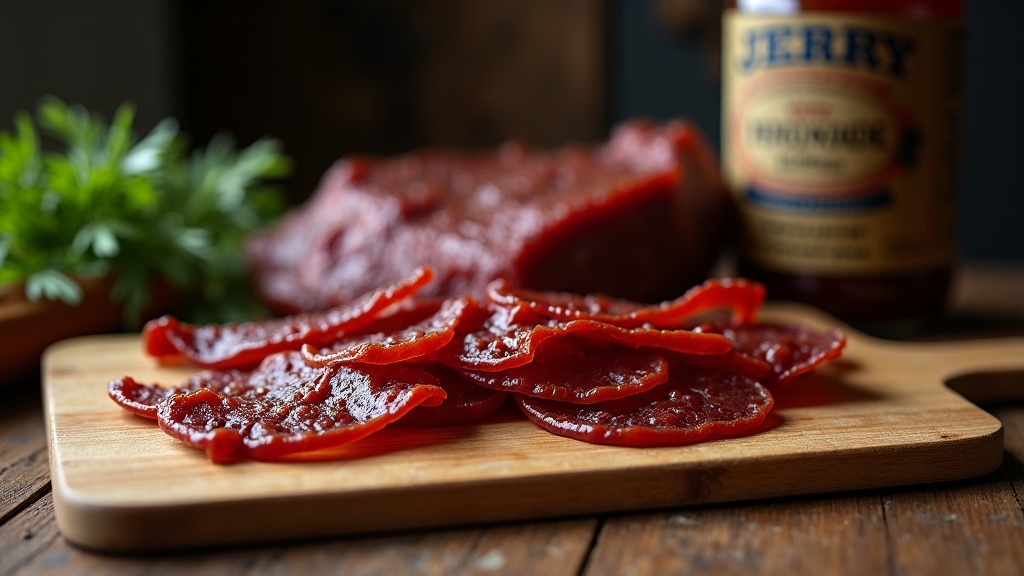
I’ve ruined enough jerky batches in my garage to know where this topic goes sideways fast. If your jerky marinade is beading up, sliding to the bottom of the bag, or leaving some strips bare while others get all the flavor, the issue is usually with the meat surface or the marinade balance, not bad luck. Jerky marinades are supposed to soak in over time, but they still need enough contact to coat each slice evenly during that first stage.
If you are trying to get a batch right without wasting good meat, I see this most often after slicing partially thawed meat, using a very thin soy-based marinade, or stuffing too much beef into one bag. The fix is usually simple: dry the strips better, trim more aggressively, and make the marinade act like a seasoning solution instead of flavored water.
The Short Answer
Jerky marinade usually fails to stick because the meat is wet from thawing or slicing, the outside still has fat or silver skin, or the marinade is too thin to cling before it starts penetrating. In other words, the problem is often physical contact, not whether the flavor ingredients are correct.
Start by patting the meat dry, trimming slick surfaces, and making sure the marinade is fully mixed. If the recipe is basically soy sauce plus water, cut back the liquid a little and let salt, sugar, Worcestershire, honey, or dissolved spices give it more body.
What Is Causing the Problem
When a batch looks patchy in the bag, one of these causes is usually behind it:
- The meat still has surface moisture from thawing, rinsing, or fresh slicing, so the first layer of marinade gets diluted on contact.
- Exterior fat and silver skin create slick areas where the liquid slides off instead of hanging on long enough to absorb.
- The marinade is built too thin, often from too much water, juice, beer, or straight soy sauce without enough sugar, salt, or other dissolved ingredients.
- The bag or container is overcrowded, so the marinade pools at the bottom and only a few strips get real exposure.
Another clue is separation in the bowl or measuring cup. If spices settle fast and the liquid looks watery on top, it will behave the same way in the bag. That does not mean you need a paste, but it does mean the marinade probably needs better mixing or slightly less free liquid.
How I Fix It Batch to Batch
When I want more even coverage on a jerky batch, this is the correction sequence I use:
- Pat every strip dry before it goes into the bag, especially if the meat was semi-frozen for easier slicing.
- Trim visible fat and any shiny membrane so the marinade is hitting meat fibers instead of a slippery barrier.
- Whisk until the sugar and salt are dissolved and the spices are suspended, not caked at the bottom.
- Use a zip-top bag or shallow dish with enough room to move the meat around, then flip or massage the batch a few times while it marinates.
If the recipe still looks thin, I reduce the watery ingredients before I add more total marinade. A small increase in brown sugar, honey, or Worcestershire can help, but the real goal is balance. You want a marinade that wets the strips evenly, not one that turns into glaze or candy.
What to Check First
Before rewriting the recipe, inspect the batch itself:
- Look at the bottom of the bag. If the seasoning is settling into sludge, the marinade was either undermixed or too thin.
- Touch a strip. If it feels slick, glossy, or wet before marinating, dry and trim more before blaming the recipe.
- Check thickness. Uneven slices take on marinade differently and make adhesion problems look worse than they are.
- Check the load in the container. If the meat is packed tight, the marinade cannot circulate or contact each piece evenly.
Most marinade sticking problems are mechanical. Once the meat is dry, reasonably lean, and not crammed together, even a basic jerky marinade usually behaves much better.
When to Toss It and Start Over
If the marinade smells off, sat warm too long, or got contaminated during handling, do not try to save it. Start over. Jerky is not the place to get optimistic about raw meat safety.
I also restart when the formula is obviously wrong from the jump, like a bag full of watery liquid with almost no dissolved seasoning. You can sometimes simmer a marinade down and cool it before using it, but if the ratios are way off, a fresh mix is faster and more predictable.
If you are shopping around this topic, I would at least compare jerky seasoning and jerky cure because both can change how consistent your batches turn out and how long they hold quality.
Bottom Line
If your marinade is not sticking, focus on three things first: dry meat, lean surfaces, and a marinade that is not basically flavored water. Those adjustments solve most uneven jerky batches.
Do not chase thickness for its own sake. What you want is clean contact and balanced seasoning so every strip gets coated early and flavored evenly by the time it hits the dehydrator.
Greasy jerky usually means the problem started before the dehydrator ever got warm. I see it most often when the meat still has visible fat seams, when the strips are cut too thick for the amount of fat left on them, or when the marinade has enough oil or sugar to make the surface feel slick even after the meat dries. If you fix only the drying time and ignore those earlier decisions, the next batch often comes out disappointing in exactly the same way.
When I troubleshoot a greasy batch, I check the strips in this order: visible fat pockets, slice thickness, dehydrator airflow, and then marinade composition. Visible fat is the first thing I care about because fat does not dehydrate the way lean meat does. It softens, renders a little, and sits on the surface. That is why a batch can feel oily even when the lean parts are technically dry enough.
I also pay attention to whether the greasy feel is actually warm surface moisture or true fat. If the batch feels slick right out of the dehydrator but firms up after cooling on a rack for ten to fifteen minutes, the issue may be carryover warmth instead of a failed batch. If it still leaves residue on your fingers after cooling, I start assuming I missed too much fat or pushed the marinade in the wrong direction.
If you want the easiest fix next time, start with a leaner cut and trim more aggressively than feels necessary. Eye of round, top round, and venison are a lot more forgiving than marbled beef when your goal is clean, shelf-stable jerky. I would rather lose a little raw weight on the cutting board than spend five hours dehydrating a batch that still feels greasy when it finishes.
The dehydrator setup matters too. When strips overlap, hang too close together, or sit in a machine with weak airflow, moisture and rendered fat linger longer on the surface. That can make you think the marinade is the whole problem when the real issue is that the batch never had enough even circulation to dry cleanly. Rotating trays and leaving space between strips fixes more texture problems than most beginners expect.
For readers trying to save a borderline batch, I would blot the strips with paper towels after cooling, then return them to the dehydrator for a short extra cycle only if the inside still bends wet. If the grease keeps surfacing after that, I would refrigerate the batch and eat it fast instead of treating it like pantry jerky. That is not the ideal outcome, but it is better than pretending a fatty batch suddenly became shelf stable.
On the next batch, I would make one deliberate change before anything else: trim every obvious fat seam and slice a test strip before cutting the whole roast. That quick check tells you whether the meat is still carrying more fat than you want and whether your thickness target is realistic for the dehydrator you are using. It is a small step, but it saves a lot of frustration later.
I also think it helps to separate flavor goals from storage goals. A richer, fattier strip can taste great warm, but it is a worse fit if you want jerky that stays clean, dry, and stable for days. Once you decide which outcome matters more, the trim level, marinade, and drying time decisions get a lot easier.

